
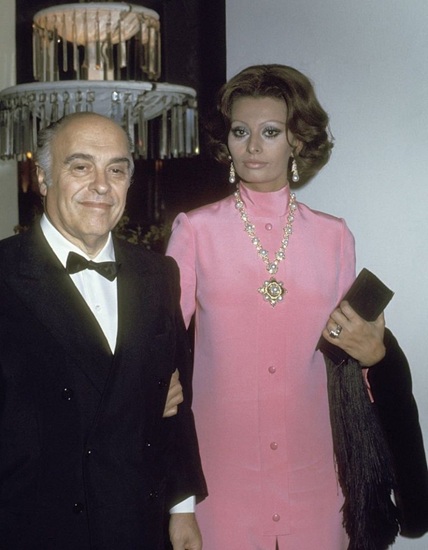
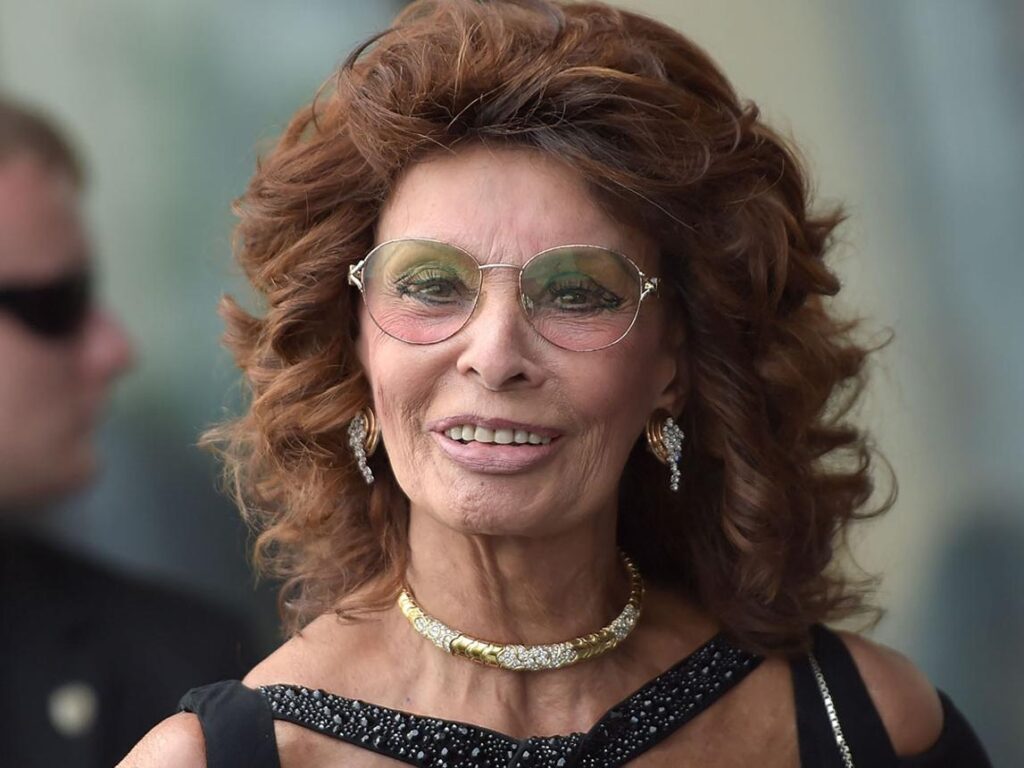
Sophia Loren is widely regarded as one of the most iconic and influential actresses in the history of world cinema. Her life story combines artistic success, personal resilience, and a long journey that began in poverty and ended in international recognition.
At the age of 90, Loren continues to represent a rare example of a performer whose career has remained culturally significant across multiple generations of film audiences.
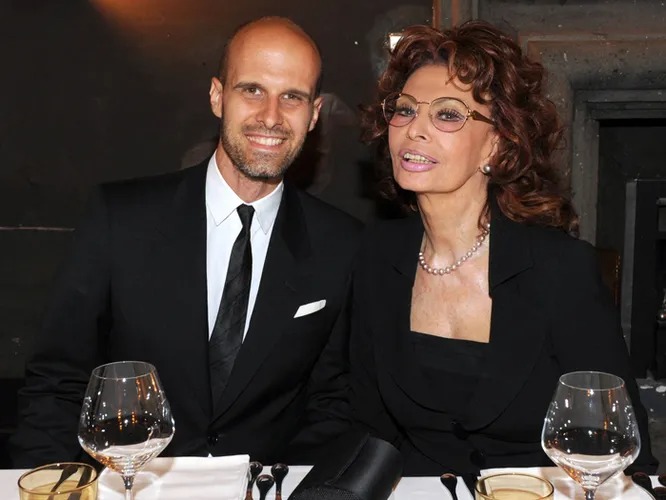
Her story has recently been revisited through reflections shared by her younger son, film director Edoardo Ponti, who offered personal insight into her early life, career development, and long marriage to producer Carlo Ponti.
His comments provide a more intimate understanding of Loren’s experiences, especially the emotional and social challenges that shaped her before she became a global star.
Sophia Loren was born Sofia Villani Scicolone near Naples, Italy, during a period of significant economic hardship. Her early life was defined by poverty, instability, and limited financial opportunity.
She was raised primarily by her mother, Romilda Villani, in difficult circumstances that required constant adaptation and emotional strength within the family environment.
Her childhood was marked by the absence of stability, as her family struggled with financial insecurity and social challenges common in post-war Italy.
Despite these difficulties, Loren developed an early awareness of performance and self-expression, which later became central to her career in acting.
As a teenager, she moved with her mother to Rome, where they attempted to seek financial assistance from her estranged father, hoping for greater stability.
That attempt was unsuccessful, as her father refused to provide support, leaving Loren and her mother in a vulnerable and uncertain situation.
Following this experience, Loren made the decision to remain in Rome while her mother returned home, a moment that marked a turning point in her independence.
Her son Edoardo Ponti later described this decision as extraordinary for someone so young, emphasizing the strength and determination it revealed at an early stage of her life.
According to him, these early experiences of hardship became deeply connected to her emotional development and later influenced her acting performances.
The challenges of poverty and uncertainty were not obstacles she left behind but rather experiences she transformed into emotional depth in her professional work.
As Loren began pursuing opportunities in the entertainment industry, she started working in smaller roles within Italian cinema, gradually building her experience.
Her natural presence, expressive face, and strong screen charisma helped her stand out in a competitive film environment during the early stages of her career.
Over time, she transitioned from minor roles to leading performances, gaining recognition for her ability to portray emotionally complex and relatable characters.
Her success in Italian cinema eventually led to international opportunities, allowing her to work with major film productions in Europe and Hollywood.
Loren’s rise in the film industry was characterized by consistency, discipline, and a strong ability to adapt to different roles and cinematic styles.
Throughout her career, she became known for bringing emotional authenticity to her performances, which contributed to her lasting appeal as an actress.
Her son later explained that she always viewed acting as a collaborative process rather than a pursuit of fame or personal recognition.
He described her as someone who valued teamwork, professionalism, and respect for everyone involved in the filmmaking process.
This mindset, according to him, was deeply influenced by her early life experiences, which taught her humility, patience, and resilience.
As her career developed, Sophia Loren met film producer Carlo Ponti, a meeting that would become one of the most important relationships in her life.
Their connection began when Loren was still very young and participating in early film-related events, while Ponti was already an established figure in the industry.
Their relationship developed gradually and became both a personal and professional partnership that would last for decades.
However, their relationship faced significant legal and social challenges due to the laws in Italy at the time, which did not allow divorce under Catholic marriage rules.
At that time, Ponti was still legally married, and this created complications for the public recognition of his relationship with Loren.
Despite these obstacles, the couple maintained their bond and eventually married in a private ceremony in Mexico.
However, this marriage was not recognized in Italy, leading to legal complications and public scrutiny of their personal lives.
Due to these issues, the marriage was annulled in the early 1960s, although their relationship continued despite the legal situation.
In order to resolve these complications, Ponti later made arrangements involving citizenship changes, allowing them to normalize their legal status.
After these changes, the couple was finally able to marry legally in 1966 under French law, establishing official recognition of their union.
Their marriage became one of the most widely discussed relationships in European cinema history due to its complexity and long development.
Carlo Ponti played a significant role in Loren’s professional journey, supporting her career decisions and contributing to her international success.
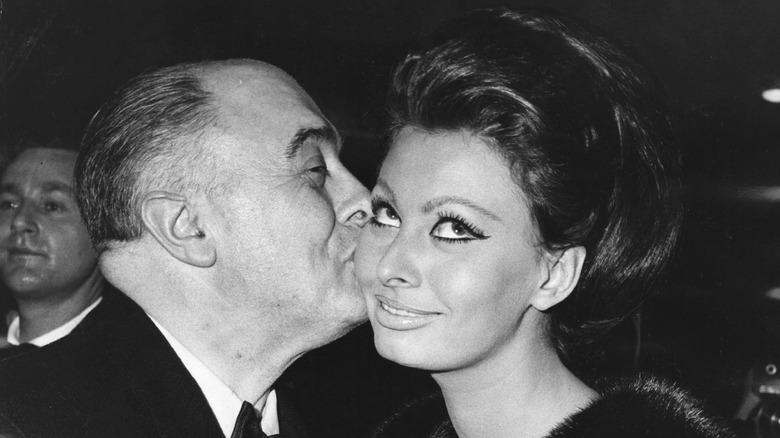
He was involved in film production and helped guide her through major opportunities during her rise in global cinema.
Despite their professional collaboration, Loren often described their relationship as deeply emotional and based on trust and stability.
In her memoir, she expressed gratitude for Ponti’s presence in her life, highlighting the sense of guidance and support he provided.
She described him as someone who offered emotional grounding during the most uncertain and demanding phases of her early career.
Loren also stated that Ponti gave her a sense of stability that she had not experienced during her childhood years.
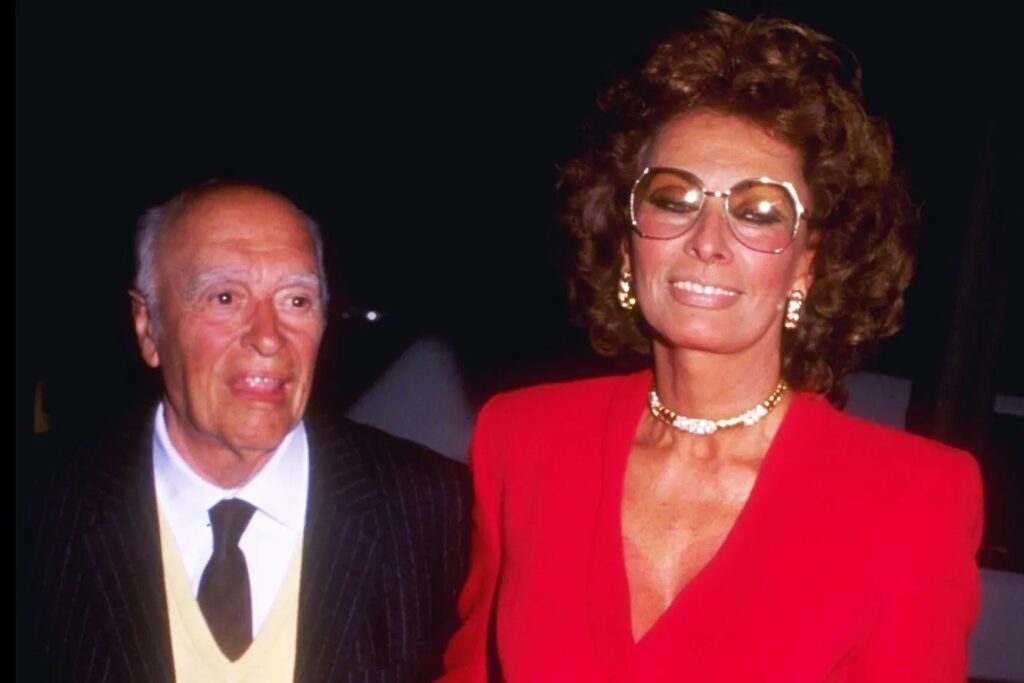
Their marriage lasted for several decades and continued until Carlo Ponti’s death in 2007 at the age of 94.
He passed away due to complications related to a lung condition, marking the end of a long and significant partnership.
Together, they built a family that included two sons, Carlo Jr. and Edoardo, both of whom grew up influenced by their parents’ artistic background.
Before becoming a mother, Loren experienced personal difficulties, including miscarriages and fertility challenges that affected her early adult life.
These experiences made the eventual birth of her children especially meaningful within her personal journey.
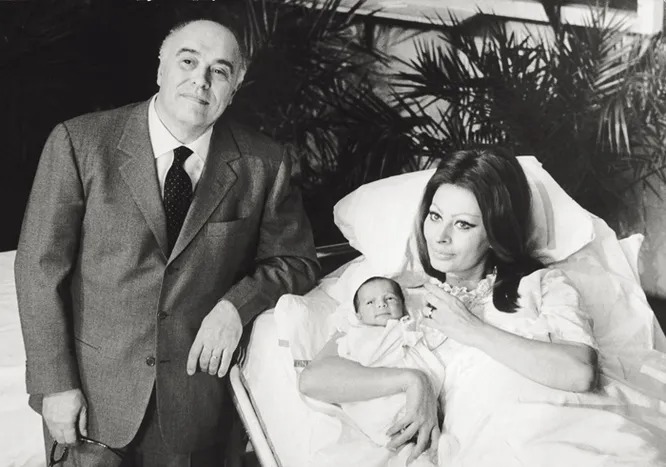
In 1968, she gave birth to her first son, Carlo Jr., marking an important moment in her private life.
In 1972, her second son, Edoardo Ponti, was born, completing the family she built with Carlo Ponti.
Both sons later pursued their own professional paths, with Edoardo becoming a film director and working within the creative industry.
Edoardo Ponti has spoken publicly about his mother, offering insight into her personality, resilience, and the emotional strength behind her career.
He emphasized that her life experiences were deeply connected to her artistic expression and professional success.
According to him, Loren’s journey cannot be separated from the hardship she experienced during her early years in Italy.
He described her as a disciplined, grounded, and collaborative individual who never lost connection with her origins.
His reflections also highlighted the importance of Carlo Ponti in providing emotional stability and support throughout her life.
That stability, combined with her determination, allowed her to navigate the challenges of fame, family life, and international success.
Today, Sophia Loren lives in Geneva, Switzerland, where she continues to maintain a private and family-centered lifestyle.
Although her grandchildren live in California, she remains closely connected to them through regular communication and modern technology.
She has often expressed that her greatest happiness comes from her family and the relationships she has built over her lifetime.
Her outlook on life remains simple and reflective, shaped by decades of personal experience, artistic achievement, and emotional endurance.
Sophia Loren’s story represents a combination of talent, resilience, and long-term dedication that has made her one of cinema’s most enduring figures.
Her journey from poverty in Italy to international recognition continues to be viewed as one of the most remarkable life stories in film history.
Through the reflections of her son, a more personal image of Loren emerges, showing not only a film icon but also a woman shaped by real human experience.
Her legacy continues to live through her work, her family, and the lasting impact she has had on global cinema and cultural history.
Even today, Sophia Loren remains a symbol of strength, grace, and perseverance, admired for both her artistic contributions and her personal journey.
