Wednesday, October 28, 2026Independent ideas for everyday life.

Author: admin

  • The Night the Power Went Out

    The Night the Power Went Out

    The storm hit Juniper Street a little after eight, fast and loud, the kind of summer storm that turns the sky green and sends patio chairs skittering across lawns. At 8:41, a transformer at the end of the block let out a sharp blue flash, and every house went dark at once.

    For a while, nobody did anything. People stood at their windows holding phones up like flashlights, waiting for the lights to blink back on. They did not. The utility company's website, for those who could still load it, estimated restoration sometime the next afternoon.

    The rain stopped around nine, leaving the air cool and the street shining under a sky that, for the first time in years, actually showed stars.

    Mr. Petrakis at number twelve was the first to come outside. He had a freezer full of food that was going to spoil, he explained to no one in particular, and a charcoal grill that did not need electricity. He lit it on his driveway and started cooking.

    The smell did the rest.

    The Nguyen kids came out first, then their parents, carrying a cooler of drinks that were not going to stay cold anyway. The young couple from number seven, who had lived on the street for a year and spoken to almost no one, brought a camping lantern and a bag of marshmallows. Mrs. Abernathy, who was eighty and mostly known for complaining about leaves, brought out a folding table and, unexpectedly, a guitar.

    By ten o'clock, there were twenty people on the Petrakis driveway. Someone dragged out lawn chairs. Someone else brought a box of candles. The teenagers, cut off from their phones, organized a game of flashlight tag that turned the whole street into a playground.

    People talked. Really talked. The Nguyens learned that the quiet couple at number seven were nurses who worked opposite night shifts and almost never saw each other awake. Mr. Petrakis told stories about the island where he grew up. Mrs. Abernathy, it turned out, had played in a band in the sixties and still knew every word to every song anyone could name.

    At some point, a little after midnight, the lights came back on. All at once, porch lights and televisions and air conditioners hummed to life up and down the street.

    There was a pause. Somebody laughed. Then, without anyone saying anything, the young couple from number seven reached over and switched their lantern back on, and Mrs. Abernathy started another song.

    They stayed out until almost two.

    The next week, a flyer appeared on every door on Juniper Street. Block party, it said. Last Saturday of the month. Bring a dish. No power outage required.

    This story is a work of fiction. Names, characters, and events are products of imagination.
  • What the Garden Remembers

    What the Garden Remembers

    The garden behind her grandfather's house had gone wild in the two years since he died. Blackberry canes arched over the path. Weeds had swallowed the raised beds. The old apple tree leaned toward the fence as if it were trying to leave.

    Mara had inherited the house and, she assumed, the job of clearing all of it before selling. She arrived with work gloves, a borrowed set of pruning shears, and a plan to be finished in a weekend.

    She was not finished in a weekend.

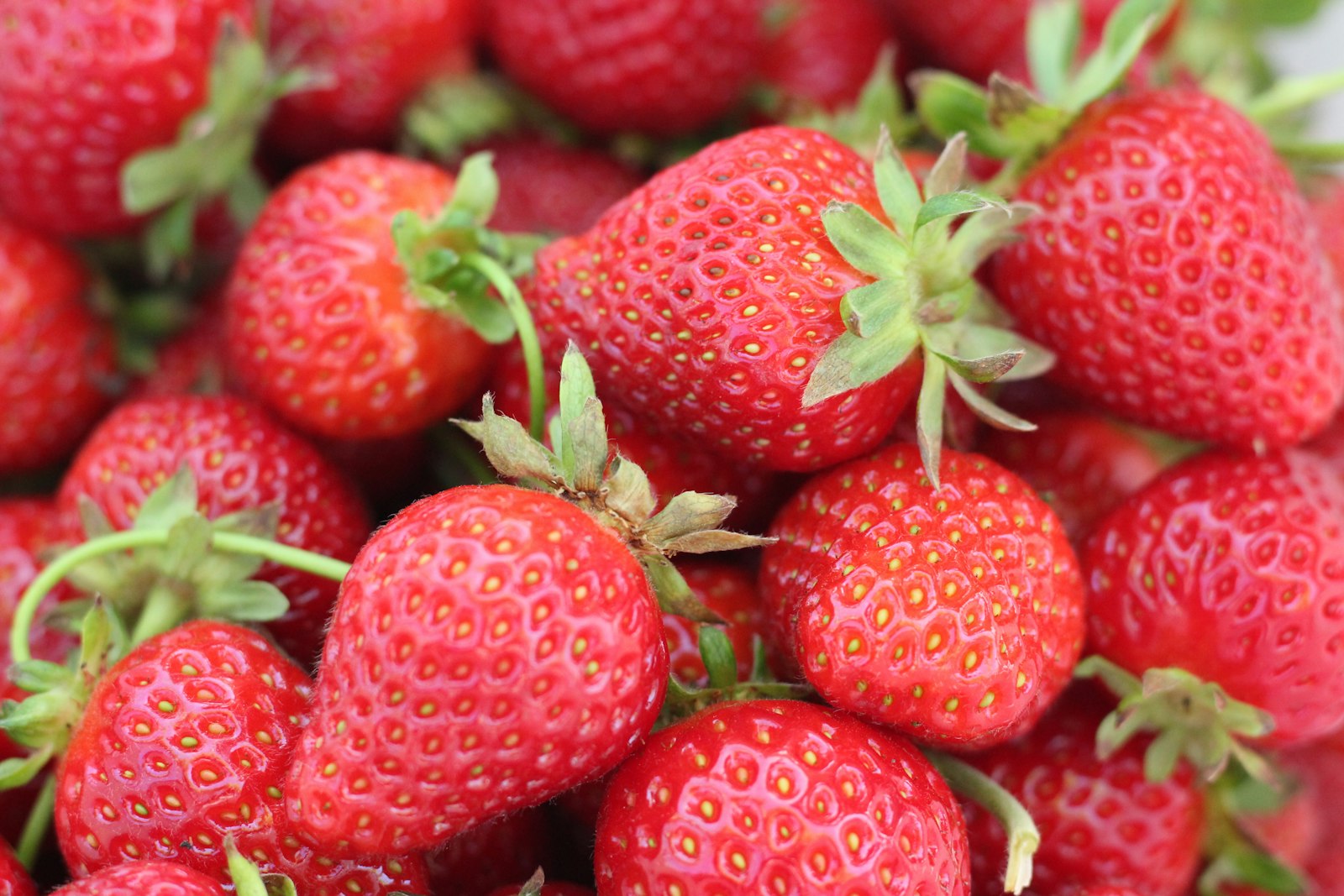
    The first surprise came on the second morning, when she cut back a mass of bindweed and found a row of small painted stones half buried in the dirt. Each one had a word on it in her grandfather's blocky handwriting. Tomatoes. Beans. Mara's strawberries.

    She sat down hard on the overturned bucket. She had forgotten the strawberries. When she was seven, he had given her a corner of the garden to call her own. She had planted strawberries and checked them every hour, convinced she could watch them grow. Under the weeds, a few stubborn plants were still there, sending out runners into the bare soil.

    After that, she worked more slowly.

    In the shed, she found his notebooks. Decades of them, spiral-bound and water-stained, recording planting dates, first frosts, which tomatoes split in the rain and which ones did not. Between the practical notes were other lines. Mara visited today. Ate six strawberries off the plant before I could stop her. Good.

    She started following the notebooks. She cleared the beds he had used for beans and planted beans. She pruned the apple tree the way he had described, nervous the whole time that she was doing it wrong. Neighbors leaned over the fence to offer advice, and almost all of them had a story about him: the zucchini he left on doorsteps every August, the seedlings he gave away each spring, the time he taught a whole class of second graders how to plant potatoes.

    By midsummer, the garden looked less like a jungle and more like a garden. The real estate agent called twice. Mara let the calls go to voicemail.

    One evening in July, she knelt by her old corner and found the first ripe strawberry, small and bright and warm from the sun. She ate it right there, standing in the dirt, and laughed out loud for the first time in weeks.

    That night, she opened a new notebook and wrote the date on the first page. Underneath, she wrote: Strawberries came back. Not selling yet.

    The next spring, she gave away seedlings to anyone who walked past the gate. And in August, a few surprised neighbors found zucchini on their doorsteps.

    This story is a work of fiction. Names, characters, and events are products of imagination.

  • The Letter in the Library Book

    The Letter in the Library Book

    Theo almost did not notice the envelope. It was pressed flat between pages 212 and 213 of a worn library copy of a sea novel no one had borrowed since the date stamps stopped being stamped. The paper was the color of weak tea. The address was written in careful blue ink to someone named June, at an apartment on Calloway Street.

    It had never been mailed. There was no stamp.

    He told himself it was none of his business. He told himself that for almost three days. Then he opened it.

    Dear June, it began. I am writing this because I am not brave enough to say it. I am leaving for the coast in the morning to take the job on the boats. I should have asked you to come, and I did not, because I was afraid you would say no. I am asking now. If you would come, meet me at the station on the 14th. If you do not come, I will understand, and I will think of you kindly for the rest of my life. Yours, Henry.

    Theo read it twice, then sat very still in his kitchen. Somewhere, fifty-odd years ago, a young man had waited at a train station for someone who never received his question.

    The librarian, a patient woman named Mrs. Okafor, helped him search the old city directories. There was a June Whitaker on Calloway Street in the right years. After that, the trail went quiet, then picked up again under a married name, then led to a retirement community on the north side of town.

    He went on a Sunday, the letter in a plastic sleeve, feeling foolish and nervous. The woman at the front desk listened to his story, raised her eyebrows, and made a phone call.

    June was ninety-one, small and sharp-eyed, with a cardigan buttoned to the top. She read the letter without her glasses, holding it at arm's length. Then she read it again. For a long time, she did not say anything.

    I waited for him to ask, she finally said. All that summer. I thought he did not care enough to.

    Theo did not know what to say, so he said he was sorry.

    Don't be, she said, and surprised him by smiling. I had a good life. A good husband, three children, more grandchildren than I can keep track of. But it is a strange gift, at my age, to find out you were loved by someone you thought had forgotten you.

    She asked him to leave the letter with her. Of course he did.

    A month later, a note arrived at the library addressed to Theo. Inside was a photograph of June at a seaside town, wind in her white hair, standing outside a small harbor museum where a faded photo of a young deckhand named Henry hung on the wall.

    On the back, she had written: Better late than never. Thank you for delivering the mail.

    This story is a work of fiction. Names, characters, and events are products of imagination.
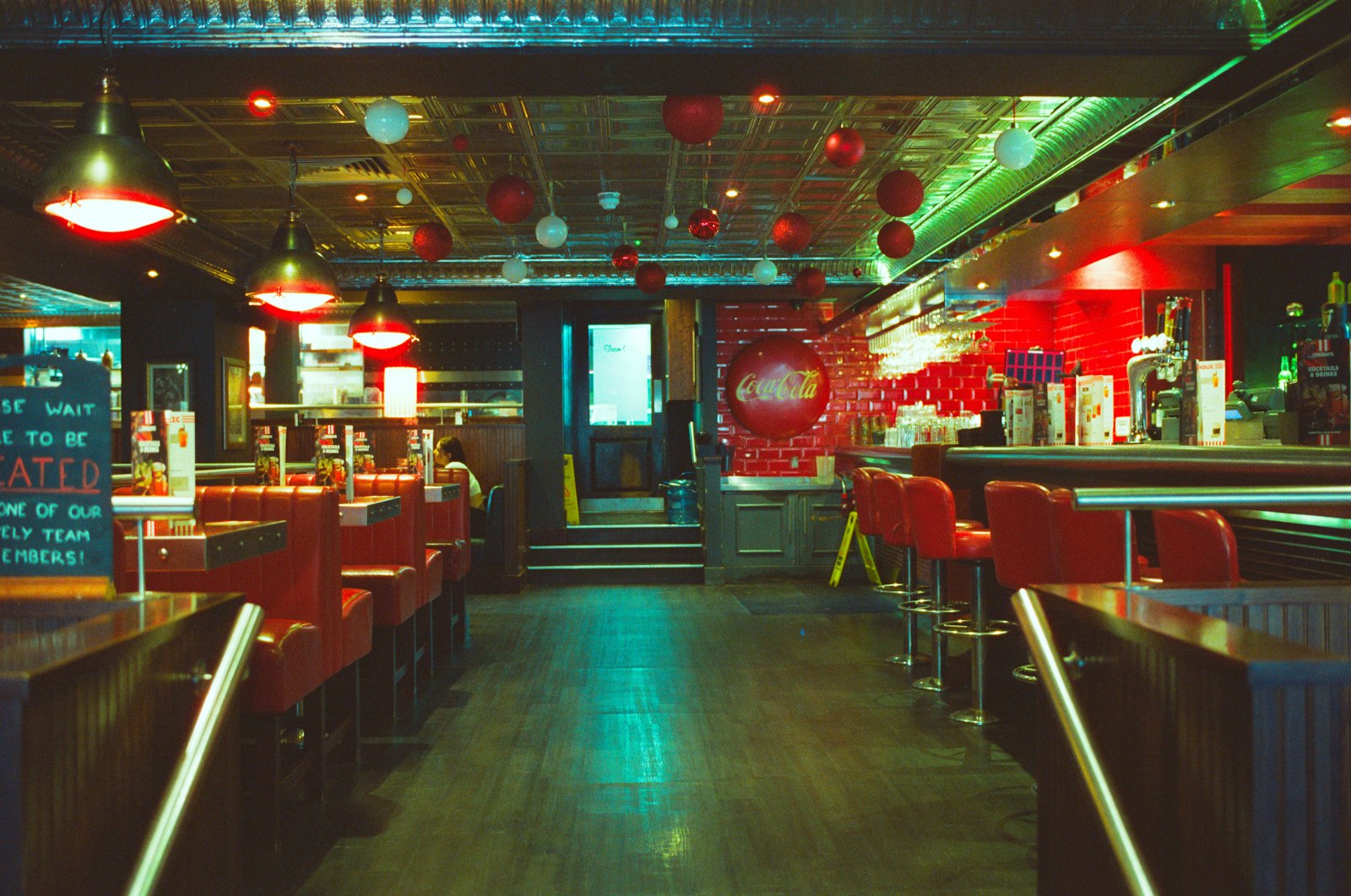
  • The Last Shift at the Corner Diner

    The Last Shift at the Corner Diner

    Rosa Delgado had poured roughly a million cups of coffee at the Corner Diner. She knew because Walt, the retired accountant who sat at the third stool every morning for twenty years, had once worked it out on a napkin. A million cups, he said, give or take a few thousand refills he had personally requested.

    On her last morning, she arrived at 5:15 like always. She flipped on the lights, started the big silver urns, and wiped down the counter that had been wiped down so many times the laminate had gone soft and pale along the edge.

    The diner had been sold. The new owners were nice enough. They planned to keep the name and most of the menu. But Rosa was sixty-seven, her knees had opinions about the morning rush, and her granddaughter in Phoenix kept sending photos of a guest room with a quilt on the bed.

    She had told almost no one. She did not want a fuss.

    At six, the door chimed and Walt came in, though Walt had passed away three winters ago. It took her a moment to realize it was his son, Danny, who had his father's walk and his father's terrible taste in sweaters.

    Third stool, Danny said, sitting down. Black coffee. Dad would want me to file a complaint if you did not top it off.

    She laughed and poured. Behind him, the door chimed again.

    By seven, every stool was taken. By seven thirty, people were standing along the windows. There was the high school principal, who had done her homework in the corner booth as a teenager. There were two firefighters, the woman from the flower shop, a young couple who had their first date over pancakes in booth four, and their toddler, who was mostly interested in the sugar packets.

    Someone had told. Someone always tells in a small town.

    Rosa kept pouring. Her hands knew the work even when her eyes were stinging. People did not make speeches. They did what they had always done there: they talked, they argued about the weather and the football team, and they asked for more coffee. It was exactly the goodbye she would have chosen if she had been brave enough to ask for one.

    At eleven, when the rush finally thinned, the principal handed her a thick envelope. Inside were dozens of napkins, each with a note written on it. Thank you for the free pie the week I lost my job. Thank you for remembering my name. Thank you for always saving the last cinnamon roll for my mom.

    At the bottom of the stack was a napkin in faded pencil, folded soft with age. Danny had found it in his father's desk. On it was a long column of figures and, at the bottom, a total circled twice.

    One million cups, it said. Give or take.

    This story is a work of fiction. Names, characters, and events are products of imagination.

  • Cheap Weekend Ideas That Do Not Feel Cheap

    Cheap Weekend Ideas That Do Not Feel Cheap

    Weekends can quietly become the most expensive part of the week. Dinners out, entertainment, shopping, and spur-of-the-moment plans add up fast. The good news is that many of the most enjoyable ways to spend free time cost very little.

    Explore outdoors

    Parks, beaches, lakes, and hiking trails are among the best free entertainment available. Look for local or state parks you have never visited, and pack a lunch to avoid paying for food. Many areas have scenic drives, botanical gardens with free days, or community gardens open to the public.

    Use your library for more than books

    Public libraries offer much more than most people realize. Many lend movies, music, audiobooks, and e-books, and some lend tools, games, telescopes, or even museum passes. Libraries also host free events such as author talks, workshops, and classes for kids and adults.

    Look for free and discounted culture

    Many museums offer free admission on certain days or evenings. Community theaters, college performances, outdoor concerts, and local festivals are often free or inexpensive. Check your city's events calendar or local news site for listings.

    Host instead of going out

    A potluck dinner, game night, or backyard gathering can be just as fun as a night out at a fraction of the cost. Everyone brings a dish or drink, and the conversation is easier than in a crowded restaurant.

    Be a tourist in your own town

    Plan a day as if you were visiting your city for the first time. Walk a historic neighborhood, find the best-rated cheap eats, visit a landmark you have always driven past, or take a free walking tour if one is available.

    Learn something new

    The weekend is a great time to pick up a skill. Free online tutorials can teach you to cook a new cuisine, take better photos, play an instrument, or fix things around the house. Libraries and community centers often offer low-cost classes too.

    Volunteer

    Volunteering at an animal shelter, food bank, community garden, or local cleanup is a rewarding way to spend a few hours, meet people, and give back without spending anything.

    Plan a little ahead

    The biggest budget risk is the unplanned weekend that turns into expensive takeout and impulse purchases. Spending ten minutes on Friday choosing one or two activities and setting a simple spending limit can make the whole weekend feel more intentional and more relaxing.

  • How to Build a Morning Routine You Will Actually Keep

    How to Build a Morning Routine You Will Actually Keep

    Online, the perfect morning routine often involves waking at five, meditating, journaling, exercising, making a green smoothie, and reading before the sun comes up. For most people with jobs, kids, or a normal sleep schedule, that is not realistic. A routine that works is one you can repeat on an ordinary Tuesday.

    Start with the night before

    A good morning begins the evening before. Getting enough sleep matters more than any morning habit. Lay out clothes, pack bags, and prepare lunch the night before so mornings are calmer. Even ten minutes of prep at night can save a frantic scramble.

    Choose two or three anchors

    Instead of a long list, pick a few small habits that make you feel good. Drinking a glass of water, opening the curtains to let in daylight, making your bed, a short stretch, or a few minutes of quiet with coffee are all good options. The point is consistency, not volume.

    Delay the phone

    Checking email, news, and social media first thing pulls your attention in many directions before your day begins. Try waiting fifteen or thirty minutes before looking at your phone. Charging it outside the bedroom and using a regular alarm clock makes this easier.

    Move a little

    You do not need a full workout. A short walk, a few minutes of stretching, or some simple bodyweight exercises can help you wake up and set a positive tone. If you prefer to exercise later, that is fine too. The routine should support your day, not compete with it.

    Eat something that works for you

    Some people need breakfast and some do not. If you do eat in the morning, a meal with some protein and fiber, like eggs with toast, yogurt with fruit, or oatmeal with nuts, tends to keep you fuller longer than something sugary.

    Plan the day in two minutes

    Take a moment to look at your calendar and choose the one or two most important things you want to accomplish. That small step can help you focus on what matters instead of reacting to whatever comes up first.

    Expect imperfect days

    Some mornings will go sideways because of a sick child, a late night, or an early meeting. That is normal. The routine is there to help, not to make you feel guilty. If you miss a day, just pick it back up the next morning.

    Build it gradually

    Add one habit at a time and give it a couple of weeks before adding another. Small, steady changes tend to stick far better than a dramatic overhaul.

  • Declutter Your Home One Room at a Time (Without Losing Your Weekend)

    Declutter Your Home One Room at a Time (Without Losing Your Weekend)

    A cluttered home can feel overwhelming, and the idea of sorting through everything at once is often enough to keep people from starting at all. The solution is to break the job into small, clear pieces and move through the house one space at a time.

    Start small and visible

    Pick a spot where you will notice the improvement right away, like a kitchen counter, the entryway, or a bathroom drawer. Quick wins build momentum. Save the hardest areas, such as the garage, attic, or a closet full of sentimental items, for later, once you have a rhythm.

    Use the four-box method

    Set up four boxes or bags labeled keep, donate, trash, and relocate. Relocate is for items that belong somewhere else in the home. Handle each item once and make a decision. The key rule is to finish the area you started before moving on.

    Ask useful questions

    When you are unsure about an item, ask yourself a few questions. Have I used this in the past year? Would I buy it again today? Do I have something else that does the same job? If the answer to all three points toward letting go, it is probably safe to donate.

    A quick room-by-room guide

    Kitchen: clear out duplicate utensils, gadgets you never use, mismatched food containers, and expired pantry items.

    Bathroom: toss expired medicines safely, old cosmetics, and nearly empty bottles.

    Closet: remove clothes that no longer fit or that you have not worn in a year. Try hanging everything with the hangers facing one way and turning each hanger after you wear the item. After a few months, you will see clearly what you never reach for.

    Living areas: gather stray papers, cords, and items that drift in from other rooms. Give each category a home.

    Get things out of the house quickly

    Donation bags sitting in the trunk for weeks are a common trap. Schedule a drop-off or pickup right away. Sell only items that are clearly worth the effort; everything else, donate.

    Keep it from coming back

    Simple habits keep clutter at bay. Try the one-in, one-out rule: when something new comes in, something similar goes out. Spend ten minutes each evening resetting the main living spaces. Deal with mail as soon as it arrives.

    Go easy on yourself

    Sentimental items are the hardest to sort, so leave them for last. Consider keeping a few meaningful pieces and photographing others. The goal is not an empty home, but one where everything you keep has a purpose or a place.

  • Meal Prep for People Who Hate Meal Prep

    Meal Prep for People Who Hate Meal Prep

    Meal prep has an image problem. Search for it online and you will find rows of identical containers holding the same chicken, rice, and broccoli for five straight days. For many people, that looks less like a plan and more like a punishment. The good news is that there is a more flexible way to do it.

    Prep ingredients, not meals

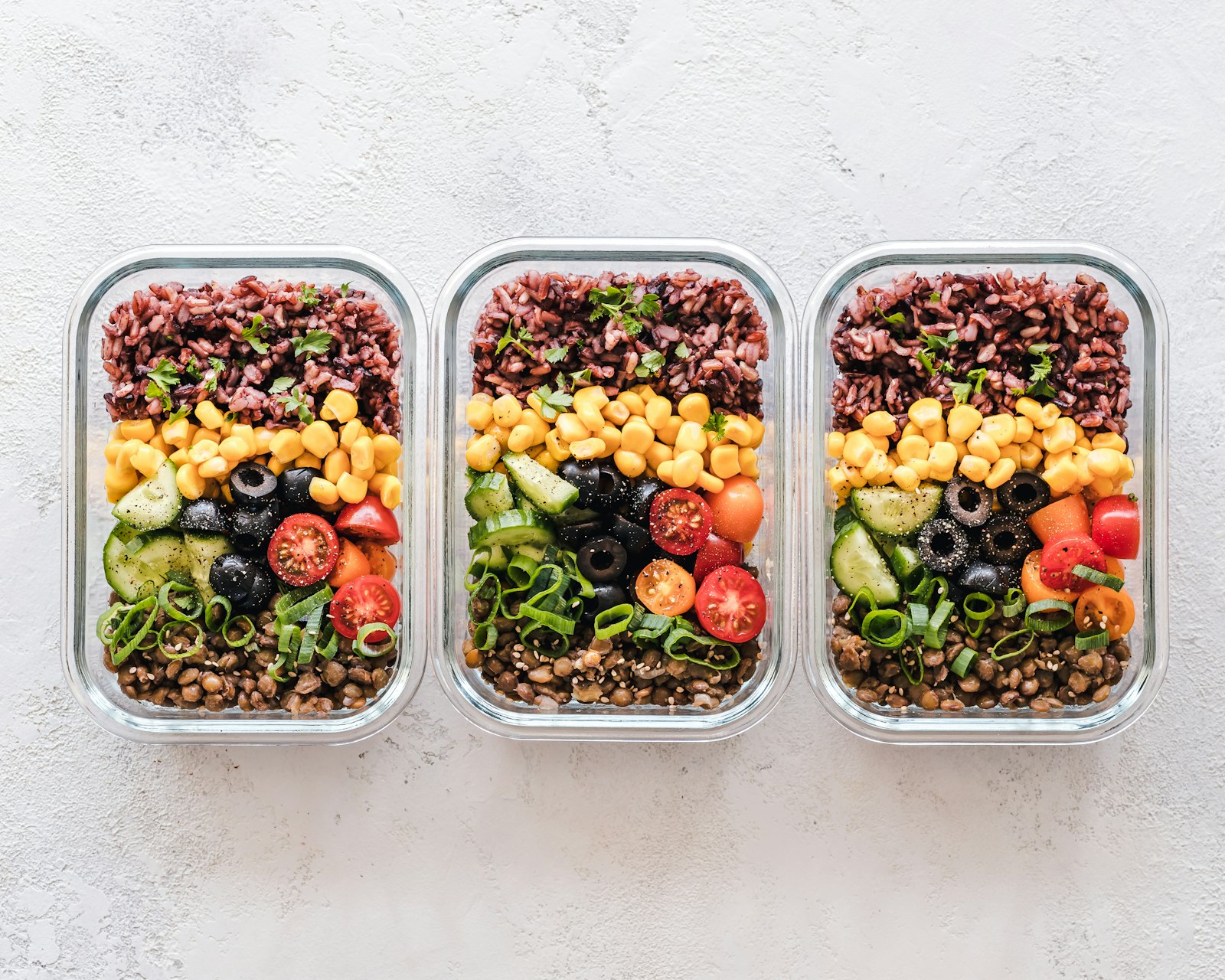
    Instead of cooking complete meals in advance, prepare components you can mix and match. Cook a batch of grains such as rice or quinoa, roast a big tray of vegetables, cook one or two proteins, and make a sauce or dressing. During the week, combine them in different ways: a grain bowl one night, tacos the next, a stir-fry or salad after that. Same ingredients, very different meals.

    Keep the session short

    You do not need to give up your whole Sunday. One to two hours is plenty for the basics. Start whatever takes longest first, such as roasting vegetables or cooking grains, and chop or prepare other items while those cook.

    Do the annoying jobs in advance

    Sometimes the biggest time saver is simply doing the tedious tasks ahead of time. Wash and dry salad greens, chop onions, peppers, and carrots, and portion snacks into grab-and-go bags. On a busy weeknight, having vegetables already chopped can be the difference between cooking and ordering takeout.

    Cook once, eat twice

    When you do cook a full meal, make extra. A big pot of soup, chili, or curry can become lunch the next day and a frozen dinner for later. Many dishes taste even better the second day.

    Use the freezer

    The freezer extends your prep well beyond a few days. Soups, stews, cooked grains, meatballs, burritos, and baked goods freeze well. Label containers with the contents and date. A stash of frozen meals is a cheap insurance policy against nights when you are too tired to cook.

    Keep food safe

    Most cooked leftovers are best eaten within three to four days when refrigerated. Cool food quickly before storing it, and use shallow containers so it chills evenly. When in doubt, freeze portions you will not get to in time.

    Why it is worth it

    Even a light version of meal prep can cut down on takeout, reduce food waste, and remove the nightly question of what is for dinner. Start small: prep just one thing this week, like a batch of grains and a tray of roasted vegetables, and see how much easier the week feels.

  • How to Host a Movie Night People Will Actually Remember

    How to Host a Movie Night People Will Actually Remember

    A movie night at home can be one of the easiest and most affordable ways to get friends or family together. With a bit of planning, it can feel like an event instead of just another evening on the couch.

    Solve the hardest part first: choosing the movie

    Indecision can eat up half an evening. Avoid it by narrowing the choice before guests arrive. Offer three options and let everyone vote by text, or pick a theme in advance, such as a favorite director, a decade, or a genre. Rotating who picks each time also works well for a regular group.

    Keep your audience in mind. A long, slow drama might be perfect for film buffs, while a mixed group may enjoy a crowd-pleasing comedy or adventure more.

    Set up the room

    Dim the lights, but do not make the room pitch black, so people can find their snacks. Check that everyone can see the screen without craning their necks. Floor cushions, blankets, and extra pillows make a living room feel more like a theater. If you are using a projector, test it and the sound earlier in the day.

    Test the tech before guests arrive

    Nothing kills the mood like spending twenty minutes searching for the right streaming app or remote. Queue up the movie, check that the subscription works, and adjust the volume ahead of time. If sound is weak, a soundbar or a decent speaker makes a big difference.

    Do snacks right

    Popcorn is the classic, and it is easy to dress up with toppings like grated cheese, chili powder, cinnamon sugar, or a drizzle of melted butter with herbs. Add a mix of salty and sweet options and drinks for everyone. Snacks themed to the movie are a fun touch, like pizza for a New York story or a dessert from the country where a film is set.

    Set a few ground rules

    Agree on phones down during the movie, and decide in advance whether it is a quiet viewing or a talk-through-it comedy night. Plan a short intermission for longer films.

    Keep the conversation going

    Some of the best parts of a movie night happen after the credits roll. Talk about favorite scenes, rank the movie, or discuss whether it held up. For a recurring group, a shared list of films watched and ratings can become a fun tradition.

    Make it a series

    If the night goes well, make it regular. A monthly movie night with a rotating host, theme, or snack challenge gives everyone something to look forward to.

  • Why Podcasts Became Everyone’s Favorite Companion

    Why Podcasts Became Everyone’s Favorite Companion

    A little over two decades ago, podcasts were a niche format for tech enthusiasts. Today they are a major part of the entertainment landscape, with shows covering just about every topic imaginable. Several factors explain how podcasts went from obscure to everywhere.

    They fit into busy lives

    The biggest advantage of podcasts is that you can listen while doing something else. Commuting, cooking, folding laundry, working out, or walking the dog all become opportunities to learn something or be entertained. Few other media fit so easily into the gaps of a day.

    Smartphones made them easy

    Early podcasts required downloading files to a computer and syncing them to a music player. Smartphones and dedicated podcast apps made subscribing and listening effortless. New episodes simply appear, ready to play. Wireless earbuds and in-car audio systems made listening even more seamless.

    The feeling of company

    Podcasts often feel personal. Hosts speak directly to listeners, sometimes for hours a week, and many people come to feel they know them. The conversational, unscripted style of many shows creates a sense of companionship that polished television rarely matches.

    Room for every niche

    Because podcasts are relatively cheap to produce, creators can serve very specific audiences. There are shows about individual sports teams, specific historical periods, single television series, hobbies, professions, and local communities. If you have an interest, there is almost certainly a podcast about it.

    Storytelling rediscovered

    Narrative podcasts, especially true crime and investigative series, introduced many listeners to the format. Serialized storytelling, with episodes released weekly and cliffhangers along the way, recalled the golden age of radio drama and kept people coming back.

    The business side

    Advertisers followed the audience, drawn by engaged listeners and host-read ads that feel like recommendations from someone listeners trust. Streaming services and media companies invested heavily, and video versions of podcasts have become increasingly popular as well.

    Finding shows worth your time

    With so many options, discovery can be tricky. Ask friends what they listen to, check the guests on shows you already like, and try the first episode of a series before giving up, since many shows improve once they find their footing. Speeding up playback slightly is a popular trick for getting through a backlog.