
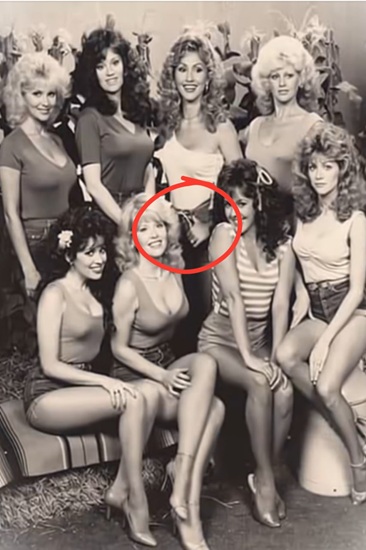
When Hee Haw premiered in 1969, it entered American television during a time of rapid cultural transformation. While many shows of the era focused on urban lifestyles and modern themes, Hee Haw chose a different direction. It highlighted rural American culture, country music, and simple humor, offering audiences a distinct alternative in the variety show format. The program combined comedy sketches with live musical performances, creating a structured yet flexible format that appealed to a wide audience.
Each episode typically included recurring jokes, character-based sketches, and musical segments that reflected traditional country and folk influences. This combination made the show easily recognizable and consistent in tone. Hee Haw was co-hosted by prominent country music figures including Roy Clark and Buck Owens. Their presence helped establish the musical identity of the show while also providing continuity between comedy segments. Both performers were already well-established in the country music industry before joining the program.
The comedic structure of the show relied heavily on short sketches and recurring segments. One of its most recognizable features was the “Kornfield Jokes” segment, which presented simple one-liner jokes delivered in a rural-themed setting. These segments became a defining part of the show’s identity and were repeated across many seasons.

Another key element of Hee Haw was its ensemble cast of comedians and performers. Among them were Grandpa Jones and Minnie Pearl, both of whom became closely associated with the show. Their characters brought humor rooted in rural traditions and helped shape the program’s long-standing appeal.
The show’s humor was intentionally simple and accessible. It focused on everyday life in rural communities, often exaggerating familiar situations for comedic effect. This approach allowed audiences of different ages and backgrounds to enjoy the content without requiring complex references or urban cultural context.
Music played a central role in every episode of Hee Haw. The program regularly featured live performances of country, bluegrass, gospel, and folk music. These performances were not only entertainment but also a way of preserving and promoting traditional American musical styles.

Unlike heavily scripted modern productions, Hee Haw maintained a relatively straightforward production style. Its sets, sketches, and transitions were designed to feel informal and approachable. This contributed to its reputation as a show that emphasized comfort and familiarity rather than high production complexity.
The show also reflected aspects of rural American life during the late 20th century. Its sketches often depicted farming communities, small-town relationships, and family interactions. While these portrayals were often comedic and exaggerated, they resonated with viewers who identified with similar environments.
During its peak years, Hee Haw became a regular part of weekly television viewing for many families. It was commonly watched together in households, making it one of the few programs that appealed across multiple generations. This family-oriented appeal contributed significantly to its long-term popularity.

As television trends evolved in the 1970s and 1980s, Hee Haw remained consistent in its format. While many variety shows adapted to changing audience preferences, Hee Haw maintained its traditional structure, focusing on humor and music rather than dramatic reinvention.
The show’s longevity is notable in the history of American television. It continued for many years beyond its initial debut, eventually becoming one of the longest-running syndicated variety shows of its time. Its consistency helped it maintain a loyal audience base.
Over time, Hee Haw became more than just a television program—it became a cultural reference point. It represented a specific style of entertainment that celebrated rural identity, humor, and musical tradition. Its format influenced later productions that blended comedy and music.

Even after its original broadcast era ended, the show continued to be accessible through reruns and archived footage. This allowed new generations of viewers to discover it and experience its unique style of entertainment, even decades after its original airing.
From a historical perspective, Hee Haw provides insight into how television reflected regional culture in the United States. It demonstrated that entertainment did not need to be centered in major urban themes to achieve national success and recognition.
The program also played a role in preserving country music during a time of expanding musical diversity. By featuring consistent live performances, it helped maintain visibility for traditional country artists and styles within mainstream media.

Today, Hee Haw is remembered as a significant part of television history. Its influence can still be seen in modern entertainment formats that combine music and comedy in a structured variety format.
The show’s legacy lies in its simplicity, consistency, and ability to connect with audiences through humor and music. It remains a symbol of an era when variety television played a central role in American home entertainment.
Ultimately, Hee Haw stands as an example of how culturally specific programming can achieve widespread appeal. Through its blend of comedy, music, and rural storytelling, it created a lasting place in the history of television entertainment.
