
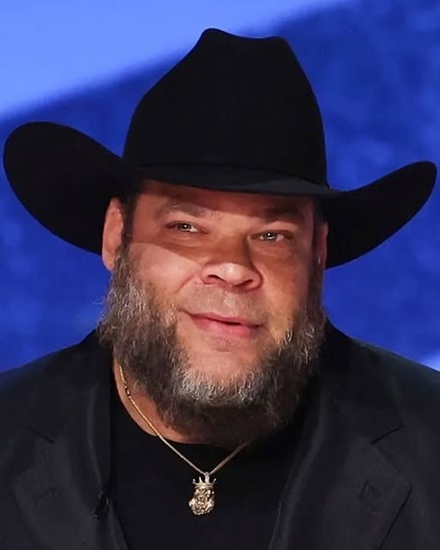
The life and career of Tyrus (George Murdoch) is often described as a story of resilience, adaptability, and long-term personal development across the fields of professional wrestling and television media.
Born George Murdoch, he later became widely known under the ring name Tyrus, building a public identity that spans sports entertainment, broadcasting, and political commentary within American media culture.
His early life included significant instability, including time spent in the foster care system, which is frequently referenced as an important influence on his later outlook and approach to life challenges.
Growing up in foster care meant experiencing frequent changes in environment, caregivers, and routines, which can create emotional and psychological challenges for many children in similar situations.
These formative experiences contributed to shaping his sense of independence, self-reliance, and determination to create stability later in adulthood.

While early hardship is not uncommon in many public life stories, Murdoch’s experience is often discussed in relation to how individuals adapt and build resilience over time.
As he matured, he eventually pursued opportunities in professional athletics and entertainment, where physical ability, discipline, and performance consistency are essential requirements.
His entry into professional wrestling provided a structured environment where he could develop both athletic skill and stage presence in front of live audiences.
He became known in wrestling circuits for his physical stature and character work, eventually competing in organizations such as the National Wrestling Alliance (NWA).
In this environment, he performed under the name Tyrus, participating in story-driven matches that combined athletic performance with entertainment narratives.
Professional wrestling allowed him to develop skills in audience engagement, timing, communication, and improvisation under high-pressure conditions.

Over time, his career expanded beyond wrestling into television appearances, where he contributed as a commentator and media personality.
This transition reflected a broader trend in entertainment where performers move between sports, television, and commentary roles throughout their careers.
In media settings, he became known for offering opinions and analysis on social and cultural topics, contributing to discussions on various television platforms.
His public communication style is often described as direct and conversational, which has helped him connect with audiences across different demographics.
Alongside his entertainment and media career, he has frequently emphasized the importance of family structure and personal responsibility in interviews and public discussions.
He has spoken about how life experiences influenced his perspective on stability, long-term planning, and the importance of maintaining supportive relationships.
While his public image is associated with wrestling and television, his career reflects a broader pattern of evolving professional identity across multiple industries.

This adaptability has allowed him to remain active in public life even as entertainment and media formats continue to change over time.
In professional wrestling, he participated in storylines that contributed to his recognition among fans of the sport, particularly during televised events and pay-per-view appearances.
At the same time, his media work expanded his reach beyond wrestling audiences into broader television viewership.
The combination of physical performance and verbal commentary highlights the dual nature of his career in both athletic and media environments.
Over the years, he has maintained a consistent presence in entertainment while transitioning between different professional roles.
His journey is often referenced in discussions about career flexibility and the ability to evolve within competitive industries.
Rather than being defined by a single profession, his work spans multiple areas of public performance and communication.
His experiences illustrate how individuals in the entertainment industry often build layered careers that extend beyond one specific role or platform.

In interviews and public appearances, he has occasionally reflected on the importance of discipline, structure, and long-term goals in achieving stability.
These reflections are often connected to his personal background and the challenges he faced earlier in life.
While public attention often focuses on his television persona, his broader narrative includes themes of persistence and gradual professional growth.
His career path demonstrates how individuals can move between physically demanding sports and intellectual media roles over time.
This type of transition is increasingly common in modern entertainment industries, where media personalities often diversify their work.
Today, Tyrus continues to appear in media and entertainment contexts, maintaining an active presence in public discussions and televised programming.
His career remains an example of how public figures can sustain relevance through adaptation and continued engagement with evolving media platforms.
Ultimately, his story reflects the broader idea that early life challenges do not necessarily determine long-term outcomes.
Instead, it highlights how persistence, opportunity, and adaptability can shape a multi-stage career across different fields.
