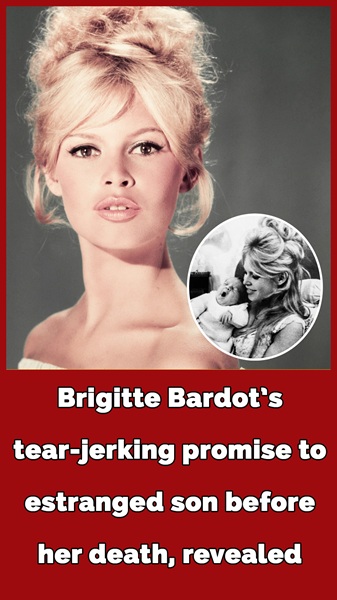
Brigitte Bardot remains one of the most recognizable and influential figures in the history of cinema and modern popular culture. More than six decades after her rise to fame, her image, impact, and legacy continue to resonate far beyond the screen.
To many, she represents beauty, rebellion, and a profound shift in how women were perceived in film and society. Yet behind the carefully preserved public image lies a life shaped not only by success and admiration, but also by deep personal conflict, difficult choices, and emotional complexity.
Rising to international fame during the 1950s and 1960s, Bardot became far more than a movie star. She emerged as a symbol of a changing era — one that was redefining femininity, freedom, and women’s autonomy in postwar Europe and beyond. Her influence extended into fashion, music, social attitudes, and even political discourse. At the same time, her private life was often marked by inner struggle, particularly in relation to fame, identity, and motherhood.
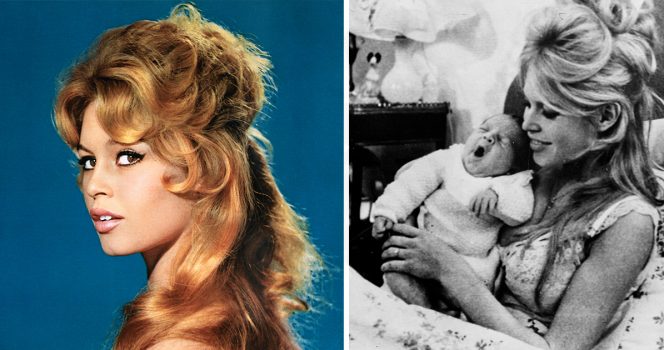
Behind the camera flashes and iconic film roles stood a woman who never attempted to present herself as flawless. Bardot openly acknowledged her personal difficulties throughout her life, often with a candor that shocked audiences and critics alike. Among the most sensitive and widely discussed aspects of her life has been her relationship with her only child, Nicolas-Jacques Charrier — a relationship long described as distant and strained, a reality Bardot herself has never denied.
In recent years, renewed public interest has focused on Bardot’s family life following interviews in which she revealed that she had made a deeply personal promise to her son: she would no longer speak about him publicly. While some online articles have exaggerated or distorted this statement, the promise itself is real and offers a revealing glimpse into a quieter, more reflective chapter of Bardot’s life — one defined not by spectacle, but by restraint.
A Star Who Defined an Era
Born on September 28, 1934, in Paris, Brigitte Anne-Marie Bardot grew up in a conservative, upper-middle-class family. Trained as a classical ballet dancer, she initially aspired to a career in dance rather than acting. Her life changed dramatically when she was discovered by filmmakers in her teenage years, leading to early modeling work and minor film roles.
Bardot’s true breakthrough came in 1956 with And God Created Woman, directed by Roger Vadim. The film challenged traditional moral standards and introduced a new kind of female character — sensual, independent, and unapologetically free. Bardot’s performance captivated international audiences and quickly turned her into a global phenomenon.
Throughout the late 1950s and 1960s, Bardot starred in more than 50 films, collaborating with prominent directors and actors of the era. She became one of the most photographed women in the world, her image appearing on magazine covers, posters, and advertisements across continents. Her distinctive style — from her hair and makeup to her fashion choices — influenced trends that remain recognizable today.
Yet despite her immense popularity, Bardot frequently expressed discomfort with the culture of celebrity that surrounded her. Fame, she later admitted, often felt overwhelming and invasive. The constant media attention, lack of privacy, and pressure to conform to public expectations took a toll on her mental and emotional well-being.
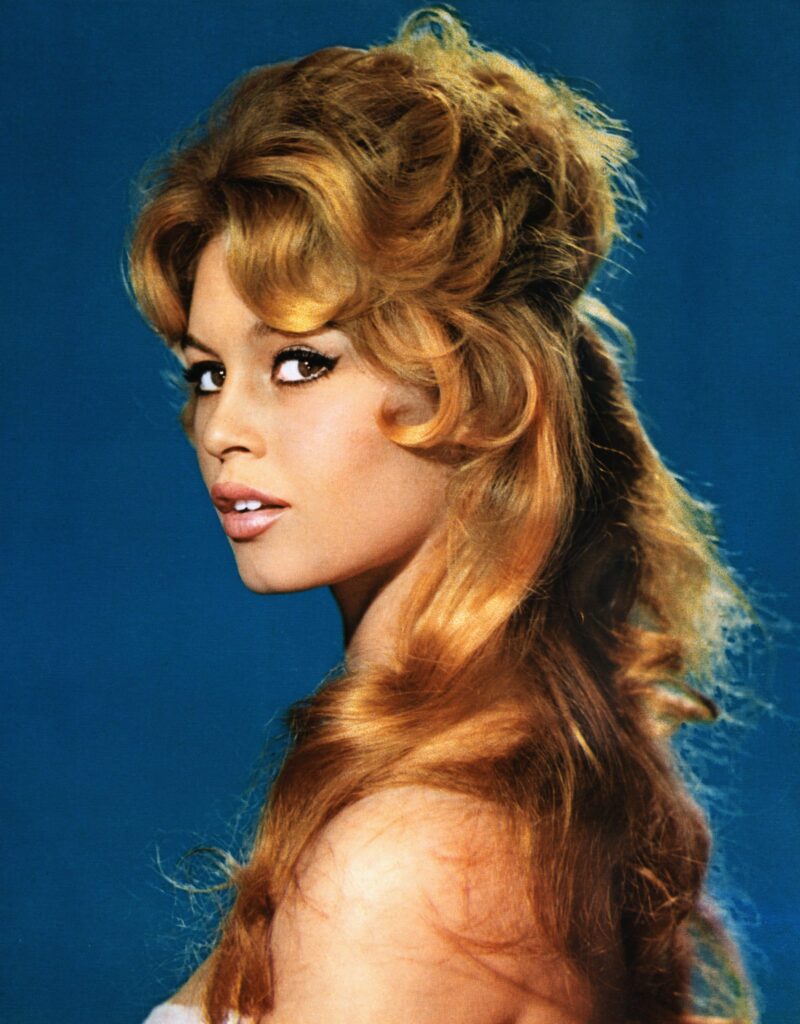
For Bardot, success did not bring peace. Instead, it intensified her sense of being trapped by an image she did not fully control.
Walking Away at the Height of Fame
At the age of 39, while still at the height of her career and international appeal, Brigitte Bardot made a decision that stunned the entertainment industry: she retired from acting entirely. In an era when many stars sought to extend their careers for as long as possible, her choice was both rare and unexpected.
Bardot later explained that her departure from cinema was driven by exhaustion, disillusionment, and a deep desire to reclaim her personal freedom. She no longer wished to live under constant public scrutiny or to perform a role — on screen or off — that no longer reflected who she felt she was.
Her retirement marked the end of one chapter but the beginning of another.
A Life Redirected Toward Animal Welfare
Bardot’s withdrawal from film did not mean a retreat from public engagement. Instead, she redirected her energy toward a cause that had been close to her heart since childhood: animal welfare.
“I gave my youth and beauty to men,” she famously said. “I give my wisdom and experience to animals.”
In 1986, she founded the Brigitte Bardot Foundation, which has since become one of France’s most influential animal rights organizations. The foundation works to combat animal cruelty, promote wildlife protection, and advocate for stronger animal welfare laws at both national and international levels.
Over the decades, Bardot’s activism has included campaigns against seal hunting, animal testing, industrial farming practices, and inhumane treatment of domestic animals. While her outspoken style has occasionally sparked controversy, her commitment to the cause has remained consistent and unwavering.
For Bardot, animal advocacy became not just a mission, but a defining purpose — one that provided structure and meaning after her departure from cinema.
Motherhood and an Uncomfortable Truth
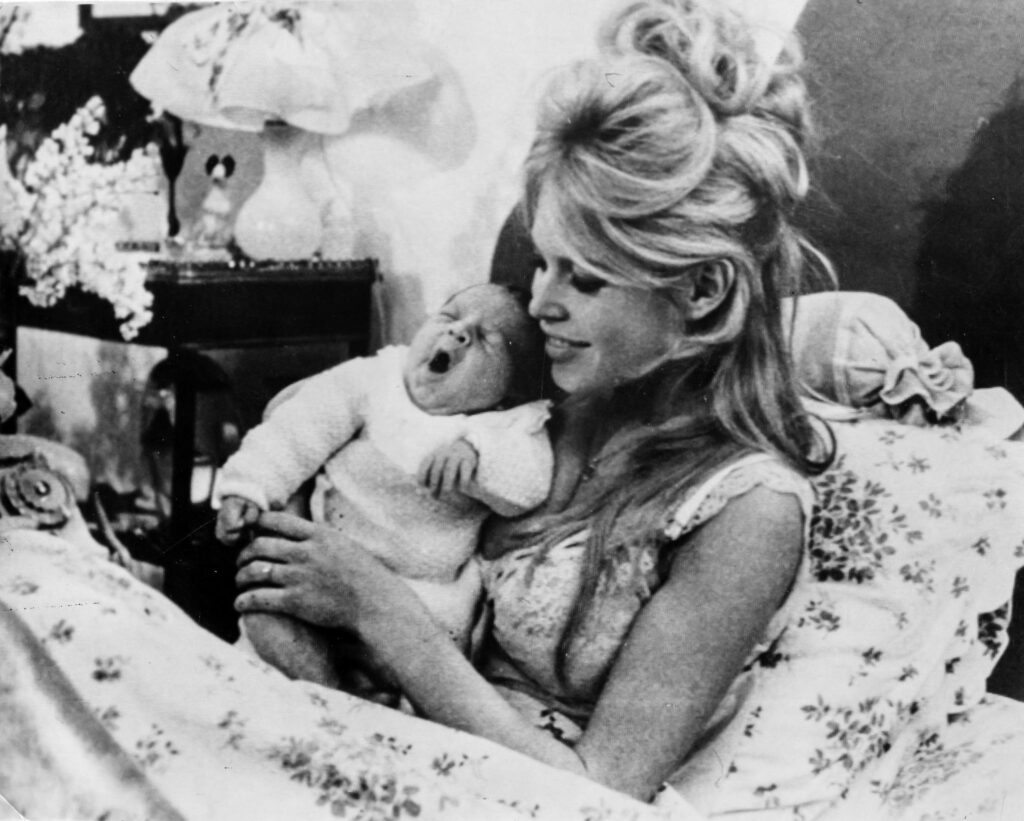
Among the most sensitive aspects of Bardot’s life is her experience of motherhood. In 1960, during her marriage to actor Jacques Charrier, she gave birth to her son, Nicolas-Jacques Charrier.
From the outset, Bardot was unusually candid about her feelings toward motherhood — sometimes in ways that shocked the public. Unlike many celebrities who idealized the role, she openly admitted that she had never wanted to become a mother and felt emotionally unprepared for the responsibilities that came with it.
In her 1996 memoir, Initiales B.B., Bardot described pregnancy and early motherhood as experiences that left her feeling overwhelmed and disconnected. These passages generated widespread debate in France and beyond, challenging deeply ingrained expectations about women, motherhood, and maternal instinct.
Following her divorce from Jacques Charrier, custody of Nicolas was granted to his father. Bardot later explained that she believed she was unable at the time to provide the emotional stability and sense of roots her son needed.
“I didn’t bring up Nicolas because I needed support and roots,” she said in later interviews. “I couldn’t be his roots because I was completely uprooted myself.”
These statements, while honest, proved painful and would have lasting consequences.
When Honesty Creates Distance
Initiales B.B. was a major commercial success, but it also reopened deep wounds within Bardot’s family. Several passages describing her son and her experience of motherhood were perceived as hurtful by Nicolas and his father.
Despite legal efforts to block certain sections of the book, the memoir was published as written. As a result, the already fragile relationship between Bardot and her son grew even more distant.
For many years afterward, Bardot continued to speak openly about her life, regrets, and personal struggles in interviews. While some admired her refusal to rewrite history or present a sanitized version of herself, others criticized her for publicly revisiting deeply personal family matters.
The divide between public honesty and private consequence became one of the defining tensions of her later life.
A Gradual Change in Tone
As Bardot grew older, her public voice began to soften. Without denying her past or attempting to erase it, she became more selective about what she shared — particularly regarding her son.

This shift reflected not a reversal of beliefs, but a growing awareness of boundaries.
In June 2024, during an interview with Paris Match, Bardot revealed that she had made a conscious and deeply personal decision concerning how she would speak about Nicolas going forward.
“I promised Nicolas I would never talk about him in my interviews,” she said.
The statement marked a significant turning point. Rather than reopening old wounds or defending past choices, Bardot chose silence — not as avoidance, but as an act of respect for her son’s privacy.
Importantly, this promise was not connected to illness, finality, or the end of her life. It was a deliberate decision made during a period of relative calm, as she continues to live quietly away from the public spotlight.In the digital era, Brigitte Bardot’s life and statements have often been subject to distortion, exaggeration, and outright falsehoods.
Online articles and social media posts have repeatedly recycled quotes and interviews, sometimes placing them in misleading narratives designed to generate clicks and emotional reactions. One frequent example is the portrayal of her personal promise to her son as a “tear-jerking gesture before her death.” While emotionally compelling, this framing is not supported by verified sources. The promise Bardot made in 2024 — that she would no longer speak publicly about her son — occurred while she was alive and actively engaging with her foundation and public causes, not as a dramatic final act.
These distortions highlight the challenges faced by public figures, particularly those who lived under the intense scrutiny of global fame. Bardot’s words, often honest and reflective, are sometimes taken out of context, amplified, and misrepresented to fit a narrative that prioritizes sensation over truth. Understanding this distinction is critical for evaluating her life and legacy fairly.
Despite these challenges, Bardot has consistently demonstrated an awareness of her public image and the potential for misinterpretation. By consciously choosing silence on sensitive family matters, she exhibited a nuanced understanding of boundaries — a rare quality for someone whose life has been so publicly dissected.
Legacy Beyond Controversy
Brigitte Bardot’s legacy cannot be reduced to sensational headlines or viral stories. Her life encompasses multiple, intersecting dimensions: she is a cinematic icon, a cultural influencer, a pioneer in redefining feminine autonomy, and a committed advocate for animal rights. Each aspect of her legacy contributes to a complex portrait of a woman unafraid to acknowledge her imperfections.
Cinematic Influence
Bardot’s contributions to film are enduring. She starred in over 50 films, working with some of the most acclaimed directors of her time. Her performances in And God Created Woman, Contempt, and Viva Maria! challenged traditional portrayals of women in cinema, pushing the boundaries of sensuality, independence, and agency on screen. Her presence helped redefine the archetype of the modern European woman — bold, self-possessed, and unapologetically herself.
Even decades after her retirement, Bardot remains a reference point for actresses, directors, and fashion designers. Her style, charisma, and on-screen persona continue to influence both visual culture and feminist discourse.
Animal Rights Advocacy
While her fame was initially cinematic, her enduring impact is perhaps most visible through her commitment to animal welfare. Through the Brigitte Bardot Foundation, she has supported legislative changes, rescue efforts, and awareness campaigns that have directly improved the lives of countless animals. Her activism also reflects a broader social consciousness, emphasizing compassion, responsibility, and ethical engagement with the natural world.
Bardot’s work in this arena has sometimes provoked controversy, particularly due to her outspoken opinions on political and environmental issues. Yet the foundation itself remains a respected institution, recognized both nationally and internationally for its contributions to animal protection.
A Reflective Approach to Personal Life
The promise Bardot made to her son — to no longer speak publicly about him — exemplifies a more reflective and conscientious approach to personal relationships later in life. Rather than revisiting old conflicts for public consumption, she chose discretion, demonstrating respect for privacy and personal boundaries.
This decision aligns with a broader pattern in her later years: a move away from sensationalism, a conscious withdrawal from constant public scrutiny, and a focus on causes and relationships that provide genuine fulfillment. It also reflects a kind of emotional maturity, illustrating that legacy and influence are not solely defined by public visibility but by thoughtful choices and ethical consideration.
Life in Saint-Tropez and Continued Influence
Today, Brigitte Bardot lives quietly in Saint-Tropez, far from the film sets, red carpets, and intense public scrutiny that characterized her early career. Her day-to-day life is largely private, though she continues to guide and support the Brigitte Bardot Foundation.
This quieter existence does not diminish her influence. In cultural discourse, Bardot remains a touchstone for discussions about femininity, freedom, celebrity, and personal autonomy. Scholars, journalists, and cultural commentators frequently reference her life and career to explore broader questions of gender, media, and identity. Her experiences — both the triumphs and the struggles — provide valuable insights into the pressures and responsibilities associated with fame.
Lessons from Bardot’s Life
Several key lessons emerge from Bardot’s life and choices:
- The Complexity of Fame: Bardot’s experiences demonstrate that public adulation often comes at a personal cost. Fame can amplify achievements but also magnify vulnerabilities, creating a complex interplay between public perception and private reality.
- Honesty and Consequence: Her candid reflections on motherhood and personal struggles illustrate that honesty is not always rewarded with understanding. However, acknowledging imperfections can provide a more authentic, lasting legacy than curated perfection.
- Boundaries and Respect: Bardot’s decision to stop speaking about her son is a reminder of the importance of boundaries. Respect for others’ privacy, even amid a public life, is a deliberate and meaningful choice.
- Legacy Beyond Publicity: While Bardot’s early life was marked by glamour and media attention, her later years demonstrate that legacy is not only about visibility but about consistent, principled action — particularly in areas of advocacy and ethical commitment.
Cultural and Historical Significance
Bardot’s influence extends beyond cinema and celebrity. She helped define an era of cultural change in postwar Europe, symbolizing new ideas about female independence, self-expression, and sexual liberation. Her career coincided with shifts in fashion, art, and popular culture, and she became a reference point for generations exploring the intersections of media, gender, and identity.
Her story also highlights the evolving role of women in public life: navigating fame, autonomy, family expectations, and social scrutiny. In this context, Bardot’s life offers both inspiration and caution, reflecting the complexities inherent in balancing personal choice with societal pressures.
A Life Still Being Written
Although no longer active in cinema, Brigitte Bardot’s influence endures. Her films remain culturally and historically significant; her foundation continues to make tangible contributions to animal welfare; and her personal choices — including the quiet promise to her son — reflect a thoughtful engagement with life, legacy, and ethical responsibility.
The promise to her son is not a dramatic gesture or a final act; rather, it represents a conscious decision to prioritize respect, discretion, and personal integrity. It is a reminder that meaningful growth often comes not from grand declarations or public reconciliations, but from thoughtful choices, reflection, and the courage to remain true to one’s values.
In this sense, Bardot’s life continues to offer lessons for both contemporary audiences and future generations: about fame and its costs, about advocacy and moral purpose, and about the quiet strength found in respecting personal boundaries and human relationships.
Her legacy is not frozen in time but continues to evolve, shaped by her decisions, her advocacy, and her unwavering commitment to living a life guided by principle, honesty, and compassion.
