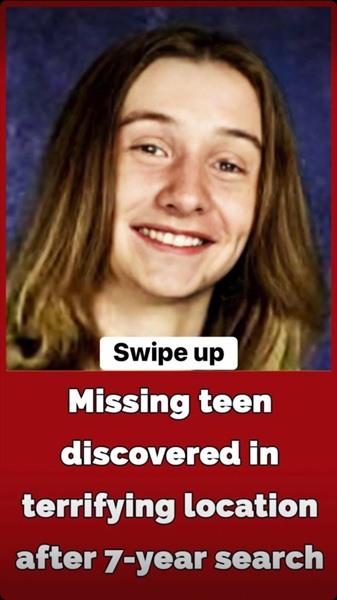
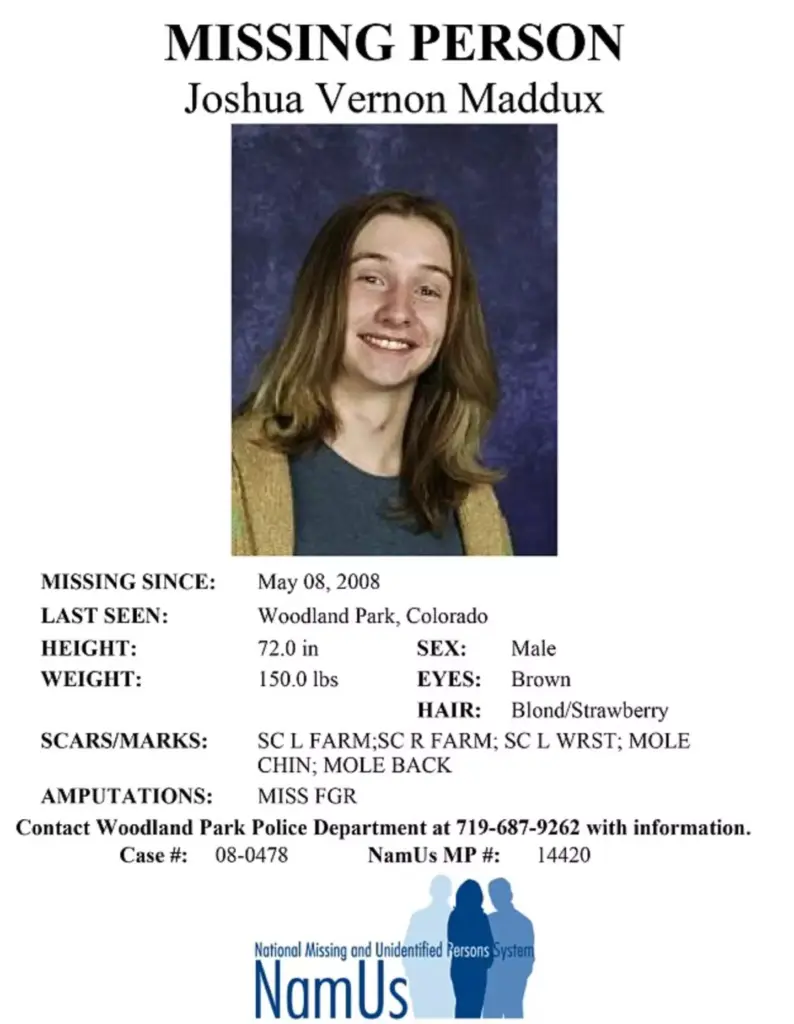
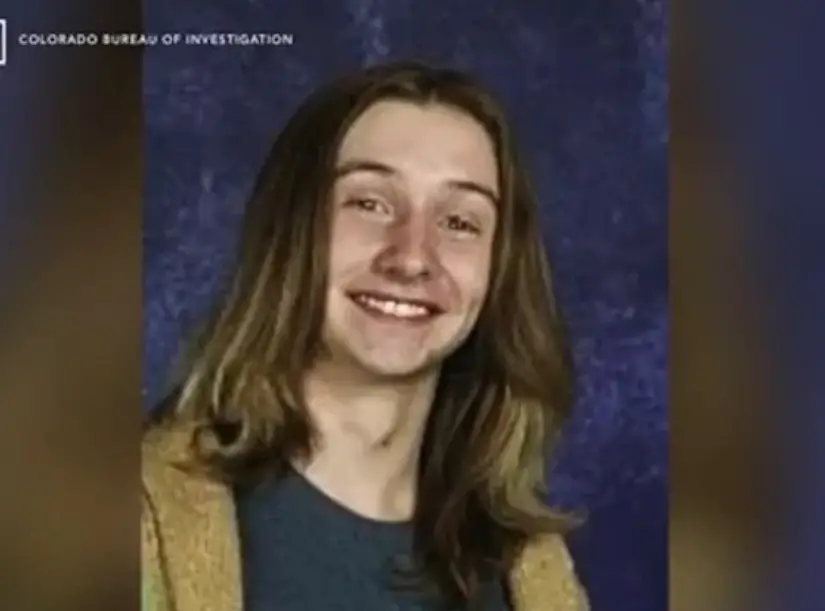
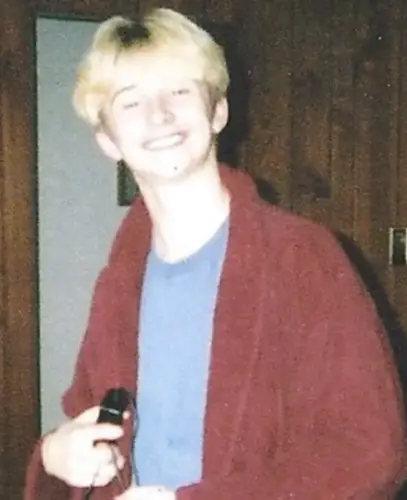
Joshua Vernon Maddux was an 18-year-old young man from Woodland Park, Colorado, remembered by his family and friends as quiet, intelligent, and deeply introspective.
He had a natural inclination toward deep thinking, personal reflection, and artistic creativity. He was not someone who sought attention or conflict; instead, Joshua preferred silence, solitude, and a calm connection with the world around him.
One of his greatest passions was music. He was also interested in writing and often used words to express thoughts and emotions that he did not easily share with others. Those who knew him described Joshua as a free spirit, yet sensitive—someone who observed the world carefully and experienced it on a deep emotional and intellectual level.
Woodland Park was a place that suited his nature well. Surrounded by forests, mountains, and open land, the town offered the quiet and closeness to nature that Joshua deeply valued. The landscape, fresh air, and relatively isolated environment gave him a sense of peace and inspiration. He lived there with his father, Mike Maddux, and his sisters. Although the family had faced challenges, their bond was considered strong.
However, Joshua’s life was not without emotional pain. Two years before his disappearance, the Maddux family experienced a profound loss when Joshua’s older brother, Zachary, died shortly before graduating from high school. The event had a deep emotional impact on the entire family. According to relatives, Joshua struggled with grief but did not completely withdraw from everyday life or isolate himself from others.
He continued pursuing his interests, maintaining friendships, and following a relatively normal routine. Friends and family described him as thoughtful but did not observe alarming behavior or signs that would suggest he was planning to leave or harm himself.
In the weeks leading up to his disappearance, nothing unusual was reported. Joshua did not speak about plans to run away, did not leave concerning messages, and did not display sudden behavioral changes. On the contrary, some family members said he appeared calm and occasionally optimistic. This later became one of the most puzzling aspects of the case.
On May 8, 2008, Joshua left his home for a walk near Pike National Forest, an area close to where he lived and one he knew well. Walking alone in nature was not unusual for him. His family believed he would return after a few hours, as he had done many times before.
But hours passed, and Joshua did not return. There were no phone calls, messages, or signs of contact. At first, concern was mild, but as time went on, it grew into real fear. After several days with no news, the family officially reported him missing.
Following the report, an extensive and intensive search operation began. Local police, search-and-rescue teams, volunteers, friends, and family members joined efforts to find Joshua. Surrounding forests, trails, mountainous areas, and open terrain were searched multiple times. Despite significant efforts, no concrete evidence was found.
There were no physical clues, no personal belongings recovered, and no reliable sightings. Each search ended without answers. Over time, hope for a quick resolution slowly faded.
Days turned into weeks, weeks into months, and eventually years. The family faced ongoing uncertainty that was emotionally exhausting. Without facts or evidence, they were left only with questions. Joshua’s sister, Kate, later shared that she sometimes imagined him living somewhere else—away from conventional society—perhaps traveling, writing, or leading a quiet and simple life. These thoughts helped her cope with the lack of answers.
For seven years, Joshua Maddux remained officially listed as a missing person.
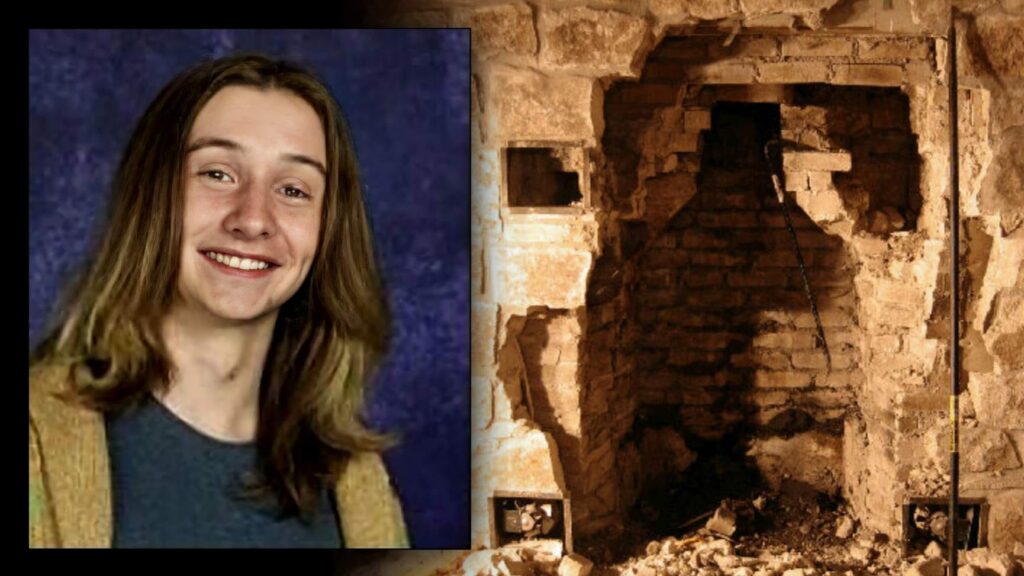
In August 2015, seven years after Joshua Vernon Maddux disappeared, the case took a sudden and shocking turn. Construction workers were demolishing an old, abandoned cabin on Meadowlark Lane in Woodland Park, Colorado. The cabin was located only about two blocks from the home where Joshua had lived with his family.
While dismantling the structure, the workers made a disturbing discovery: human remains were found inside the cabin’s chimney. Authorities were notified immediately, and the area was secured for investigation. The discovery ended years of uncertainty but also raised many new questions.
The remains were in an advanced state of decomposition and had undergone mummification, indicating the body had been there for a long time. Through dental records, officials confirmed the remains belonged to Joshua Maddux. For the family, the identification was emotionally devastating, as any remaining hope that he might still be alive was lost.
According to official reports, Joshua was found wearing only a thin thermal shirt. His pants, shoes, and socks were discovered inside the cabin, neatly folded. Investigators also noted that a heavy wooden piece of furniture, described as a breakfast bar, had been moved and positioned in a way that partially blocked the fireplace opening from inside the cabin.
These details made the scene difficult to interpret. The placement of the clothing and furniture raised questions but did not provide clear answers about what had occurred.

An autopsy conducted by the Teller County Coroner’s Office found no signs of obvious physical trauma. There were no fractures, stab wounds, gunshot injuries, or evidence of substance use. Due to the condition of the remains, it was not possible to determine an exact cause of death.
Initially, the coroner classified the death as accidental. The theory suggested that Joshua may have climbed onto the cabin roof, entered the chimney headfirst, become trapped, and died due to environmental conditions or positional asphyxiation. However, this explanation was met with skepticism.
The cabin’s owner, Chuck Murphy, publicly challenged this conclusion. He stated that the building was in poor condition and unsuitable for habitation. He also claimed that approximately 20 years earlier, he had installed a metal mesh barrier at the top of the chimney to prevent animals from entering. According to Murphy, this would have made it extremely difficult for a person to enter the chimney from above.
Murphy also pointed out that the position of Joshua’s body suggested a headfirst entry, which he believed would have been very difficult for a single person to accomplish alone. These statements increased doubts about the initial ruling.
Due to public concern and unanswered questions, Coroner Al Born reopened the case. He acknowledged that the circumstances were highly unusual and did not follow a clear or logical sequence. While he continued to believe entry occurred through the chimney, he admitted there was insufficient evidence to support any single explanation.
As a result, the manner of death was reclassified more broadly as accident, homicide, or undetermined. This classification reflected the uncertainty of the case rather than a definitive conclusion.
During the investigation, law enforcement received tips suggesting possible involvement of other individuals. Some people claimed they had heard someone brag about putting Joshua “in a hole.” A person reportedly seen with Joshua shortly before his disappearance was later arrested for an unrelated violent crime. However, none of this information could be reliably verified.
The coroner also expressed doubt that a single person could have placed Joshua into the chimney without assistance. Nevertheless, without witnesses or physical evidence, no theory could be confirmed.
The cabin owner stated that over the years he had occasionally visited the property and noticed unpleasant odors, which he attributed to dead animals—a common occurrence in abandoned structures. Because the fireplace opening was blocked by furniture, he never inspected the chimney itself.
Authorities believe that given the isolated location and the condition of the building, it is impossible to know whether Joshua was able to call for help or whether anyone could have heard him.
To this day, there is no definitive explanation for how or why Joshua Maddux ended up inside the cabin’s chimney. The case remains one of Woodland Park’s most haunting mysteries—not because of confirmed criminal acts, but because of unanswered questions.
Joshua Maddux’s story is a reminder that not all cases reach clear closure. Even after years of investigation, some events remain unresolved. What is certain is that a young man lost his life under circumstances that are still not fully understood, and a family continues to live with questions that may never be answered.
