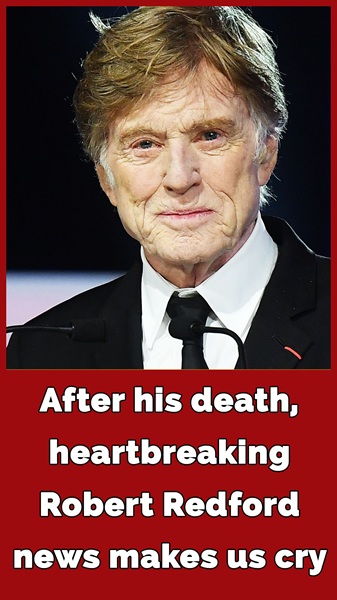
Robert Redford is widely regarded as one of the most enduring and influential figures in the history of American cinema. Over a career that has spanned more than six decades, he has earned recognition not only as a celebrated actor, but also as an accomplished director, producer, and cultural visionary.
His contributions to film have helped define entire generations of storytelling, while his commitment to artistic integrity has left a lasting imprint on Hollywood and independent cinema alike.
Known for his thoughtful screen presence, understated charisma, and carefully chosen roles, Redford became a symbol of intelligence and moral depth during a period when American film was undergoing significant transformation.
While his professional achievements are extensively documented, his personal journey — marked by devotion to family, quiet resilience, and significant loss — offers a deeper understanding of the man behind the legend.

Early Life and Beginnings
Born Charles Robert Redford Jr. on August 18, 1936, in Santa Monica, California, Redford grew up in a modest household. His father worked as an accountant, and his upbringing was largely removed from the glamour of the entertainment industry he would later help shape. As a young man, Redford showed an interest in art and sports before eventually gravitating toward acting.
After attending college briefly, Redford moved to New York City, where he studied acting and began working in theater and television. Like many aspiring performers of his era, his early career was defined by perseverance rather than instant success. These formative years helped shape his disciplined approach to storytelling and his appreciation for meaningful, character-driven narratives.
Rise to Stardom
Redford’s breakthrough came during the 1960s, as Hollywood audiences began responding to actors who brought realism and emotional intelligence to their performances. With his natural screen presence and calm intensity, Redford quickly distinguished himself from his contemporaries.
His rise to international fame was solidified through a series of iconic films that are now considered cornerstones of American cinema. Among them were Butch Cassidy and the Sundance Kid, The Sting, Jeremiah Johnson, The Way We Were, and All the President’s Men. These projects not only achieved commercial success but also explored themes of justice, personal freedom, and ethical responsibility.
Throughout this period, Redford became known for selecting roles that reflected social awareness and intellectual depth. Rather than relying solely on star power, he consistently sought stories that challenged audiences and reflected the complexities of real life.

A Career That Redefined Hollywood
As his career progressed, Redford expanded his creative influence beyond acting. In 1980, he made his directorial debut with Ordinary People, a film that examined family dynamics, grief, and emotional distance. The project was met with critical acclaim and earned Redford the Academy Award for Best Director.
This success further reinforced his reputation as a filmmaker committed to substance over spectacle. His work behind the camera reflected the same values that defined his performances: restraint, empathy, and a focus on human experience.
In 1981, Redford took one of the most consequential steps of his career by founding the Sundance Institute. Created as a nonprofit organization, the institute was designed to support independent artists and provide opportunities for filmmakers outside the traditional studio system.
What began as a modest initiative evolved into the Sundance Film Festival, which has since become one of the most respected platforms for independent cinema in the world. Through Sundance, Redford helped launch the careers of countless filmmakers and reshaped how independent stories reached global audiences.
A Private Life Away From the Spotlight
Despite his fame, Redford has long maintained a reputation as a private individual. He consistently avoided turning his personal life into public spectacle and rarely spoke in detail about his family outside of respectful, measured interviews.
In 1958, Redford married Lola Van Wagenen, a historian and producer. Their marriage lasted nearly three decades and was rooted in shared values, intellectual curiosity, and a commitment to family life. Together, they had four children: Scott, Shauna, James, and Amy.
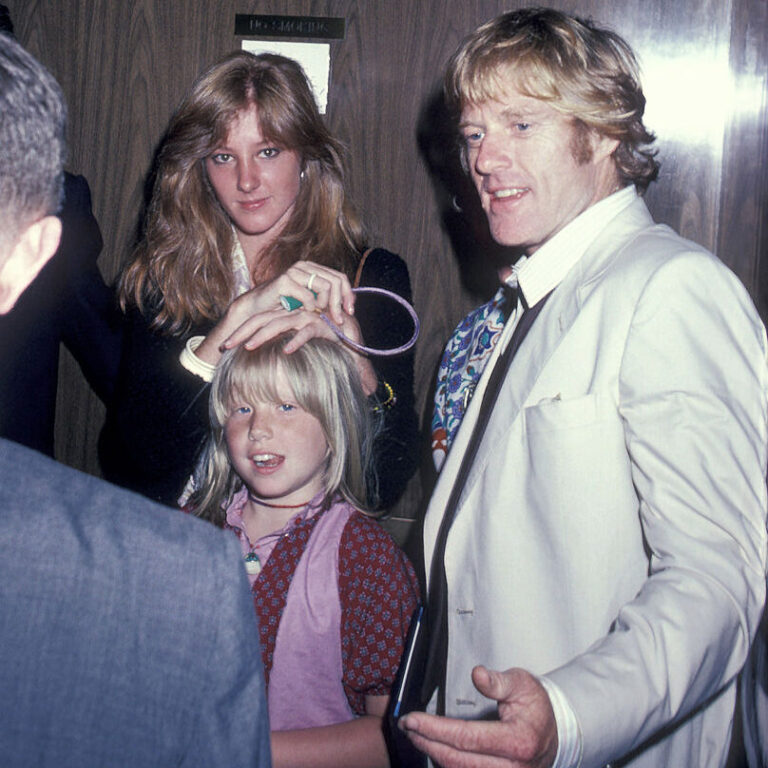
Friends and colleagues have often described Redford as introspective and deeply loyal, qualities that shaped both his personal relationships and his professional decisions. While the public saw a Hollywood icon, those closest to him knew a man who valued privacy, reflection, and emotional authenticity.
Early Tragedy: The Loss of His First Child
In 1959, Redford and Van Wagenen welcomed their first child, Scott Anthony Redford. Tragically, Scott passed away at just seven weeks old due to sudden infant death syndrome (SIDS). The loss occurred during a period when Redford was still at the beginning of his career and living in New York.
The experience had a profound effect on him. In later interviews, Redford acknowledged how difficult it was to cope with such a devastating loss at a young age, particularly without the emotional tools or life experience to process profound grief.
Rather than addressing the tragedy publicly, Redford internalized the experience. Over time, the loss became a quiet but enduring influence in his life, shaping his understanding of family, responsibility, and emotional vulnerability.
While Robert Redford’s professional accomplishments are among the most celebrated in American film history, his life away from the screen has been shaped just as profoundly by family, responsibility, and resilience. As his career flourished, Redford remained deeply invested in the lives of his children, supporting their individuality and encouraging creative independence rather than public visibility.
Shauna Redford: Creativity Outside Hollywood
In November 1960, Robert Redford and Lola Van Wagenen welcomed their daughter, Shauna Redford. From an early age, Shauna showed a strong interest in the arts, though she chose a path distinct from the film industry that defined her father’s career. Rather than pursuing acting, she developed her talents as a visual artist, eventually becoming an accomplished painter.
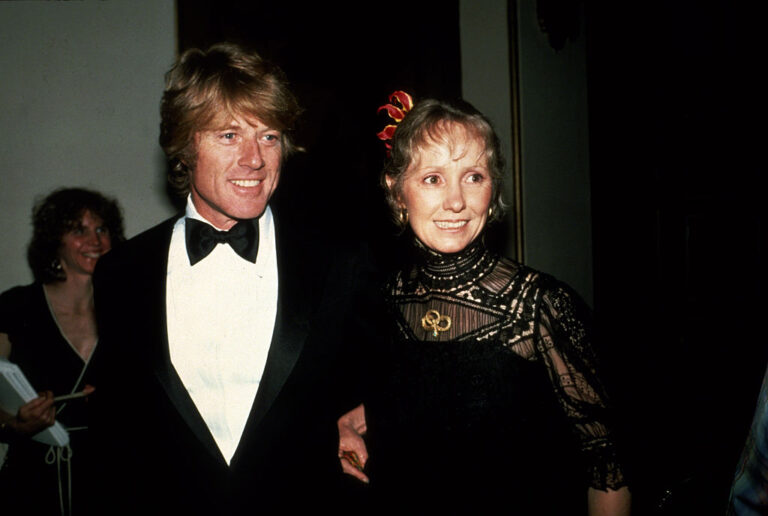
Shauna’s work has been exhibited in galleries both in the United States and internationally, earning recognition for its emotional depth and expressive style. Her artistic career reflects a commitment to creativity without reliance on celebrity status, a value strongly encouraged within the Redford household.
In 1985, Shauna married investigative journalist and author Eric Schlosser. Together, they built a family-centered life and raised two children, Conor and Mica. Throughout the years, Shauna has remained largely private, focusing on her art, family, and personal values rather than public attention.
Robert Redford has occasionally expressed pride in Shauna’s independence and creative authenticity. In discussions about the future of the Sundance Institute, he has acknowledged the role his children play in continuing the spirit of artistic integrity that Sundance represents.
James “Jamie” Redford: A Life of Purpose and Advocacy
Born in 1962, James Redford — often known as Jamie — grew up immersed in an environment that valued storytelling, social awareness, and creative exploration. Unlike many children of prominent figures, Jamie consciously worked to establish his own identity, choosing projects driven by meaning rather than recognition.
Jamie became a filmmaker, writer, and activist whose work focused on education, health, and social impact. He was particularly known for The Big Picture: Rethinking Dyslexia, a documentary that brought widespread attention to learning differences and educational reform. The project resonated with educators, parents, and advocacy groups around the world.
Throughout his career, Jamie emphasized the importance of empathy and understanding in storytelling. He frequently spoke about the responsibility artists have to contribute positively to society, a philosophy closely aligned with the values promoted by the Sundance Institute.
Jamie married Kyle Redford, and together they raised two children, Dylan and Lena. Despite carrying one of the most recognizable surnames in Hollywood, Jamie openly acknowledged the challenges of forging a personal path while living in the shadow of a legendary parent.
He once reflected that success could not be inherited and had to be earned through meaningful work and personal commitment. This mindset defined his career and relationships alike.
Enduring Illness and Personal Strength
From childhood, Jamie lived with a rare liver disease that required ongoing medical care. Over the years, he underwent two liver transplants, each representing both a physical challenge and a testament to his resilience. Despite these obstacles, Jamie remained active creatively and professionally, continuing to write, direct, and advocate for causes close to his heart.
Later in life, he was diagnosed with liver cancer. Even during periods of declining health, those close to him described Jamie as optimistic, thoughtful, and deeply devoted to his family.
In October 2020, James Redford passed away at the age of 58. His death was met with an outpouring of tributes from filmmakers, educators, and advocates who had been impacted by his work. The family requested privacy as they mourned, choosing to grieve away from public attention.
Jamie is remembered not only as Robert Redford’s son, but as a compassionate storyteller whose contributions continue to influence conversations around education and inclusion.
Amy Redford: Continuing the Creative Tradition
Amy Redford, the youngest of Robert Redford’s children, followed a creative path more closely aligned with her father’s profession. An actress, producer, and director, Amy has worked extensively in independent film and television, focusing on character-driven projects and socially conscious storytelling.
Her acting credits include films such as Hate Crime and Candybar, while her work behind the camera includes directing projects like The Guitar and Everyday People. Amy has consistently chosen roles and stories that emphasize emotional realism and personal transformation.
In interviews, Amy has spoken openly about growing up around filmmaking and observing her father’s dedication to craft rather than celebrity. She has emphasized the importance of creative independence and the need for more opportunities for women in the film industry.
As an advocate for female voices in cinema, Amy has worked to support inclusive storytelling and mentorship within independent film communities. She is also a mother, and her reflections on parenting often highlight the balance between creative ambition and personal responsibility.
Life After Hollywood and a Second Marriage
Following the end of his marriage to Lola Van Wagenen in the mid-1980s, Robert Redford gradually stepped away from the traditional Hollywood spotlight. Over time, he formed a long-term relationship with German artist Sibylle Szaggars.
The couple married in 2009 after many years together and settled primarily in Utah, close to the Sundance Institute and the artistic community Redford helped establish. Their relationship has remained intentionally private, reflecting Redford’s preference for a life centered on creativity, nature, and meaningful connection rather than public attention.
In later years, Redford officially retired from acting, choosing to focus on mentorship, environmental advocacy, and preserving the values that defined his career. Though no longer appearing regularly on screen, his presence remains deeply influential within the film industry.
A Legacy Rooted in Integrity
Robert Redford’s legacy extends far beyond box office success or awards. It is defined by a lifelong commitment to artistic integrity, social responsibility, and support for emerging voices. Through the Sundance Institute, his films, and the example he set for his children, Redford reshaped how stories are told and who gets the opportunity to tell them.
His life reflects both extraordinary achievement and deeply human experience. He has known success, endured profound loss, and remained steadfast in his values across decades of change within the entertainment industry.
Today, Robert Redford is recognized not only as a cinematic icon, but as a figure whose influence is rooted in empathy, perseverance, and a belief in the power of meaningful storytelling. His story serves as a reminder that lasting impact is built not solely through fame, but through purpose, resilience, and respect for the human experience.
