
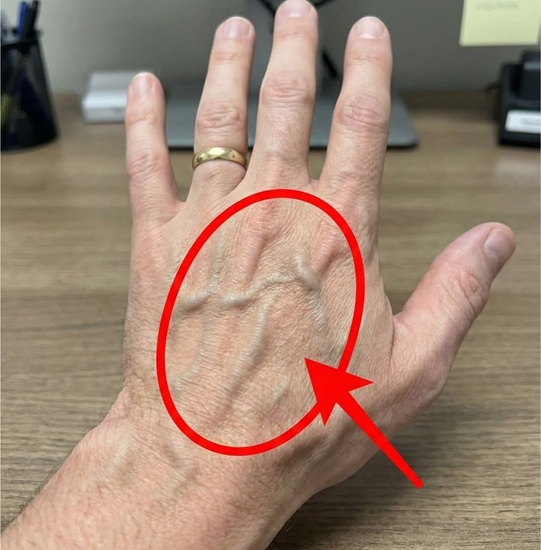
Visible veins are a natural part of human anatomy and are commonly noticed in everyday life. For many people, they are simply a visible feature of the body and not a sign of illness.
The appearance of veins can vary significantly from person to person. Factors such as genetics, skin tone, age, and body composition all influence how noticeable veins appear on the surface of the skin.
Individuals with lower levels of body fat often have more visible veins because there is less tissue covering them. This is especially common among athletes or people who maintain a lean and physically active lifestyle.
Physical activity can temporarily increase vein visibility due to improved blood flow. During and after exercise, blood vessels expand, making veins appear more prominent, which is a normal and healthy physiological response.

Skin characteristics also play an important role in vein visibility. People with thinner or lighter skin may naturally notice their veins more clearly, particularly in areas such as the hands, arms, and feet.
Environmental factors like temperature can affect how veins look. In warmer conditions, blood vessels dilate to help regulate body heat, which can make veins appear more pronounced for a short period.
Aging is another common reason why veins become more visible over time. As the skin becomes thinner and loses elasticity, veins may appear closer to the surface and easier to see.
Despite their appearance, visible veins do not usually indicate poor circulation. In most cases, they are harmless and reflect normal variations in the body rather than a medical concern.
Poor circulation involves reduced or impaired blood flow and typically presents with noticeable symptoms beyond the appearance of veins. These symptoms often affect comfort, mobility, and overall tissue health.
Common signs of circulation problems include numbness, tingling, and a sensation of coldness in the hands or feet. These symptoms may indicate that blood is not reaching certain areas efficiently.

Pain during walking or physical activity can also be a sign of circulation issues. This type of discomfort may result from reduced oxygen supply to muscles and should not be ignored if persistent.
Swelling in the legs, ankles, or feet can occur when blood or fluid does not circulate properly. This may be due to vein or heart-related issues and often requires medical evaluation.
Changes in skin color or texture may also signal circulation problems. The skin may appear pale, bluish, or reddish, and in some cases, wounds may take longer to heal.
In contrast, visible veins without any additional symptoms are generally not a cause for concern. Many healthy individuals have prominent veins and experience no issues with circulation.
However, there are certain conditions where visible veins may be linked to underlying vein problems. Recognizing these conditions can help differentiate between normal and abnormal changes.
Varicose veins are a common example of a vein-related condition. They appear as enlarged, twisted veins, usually in the legs, and develop when vein valves do not function properly.
These valves are responsible for ensuring that blood flows toward the heart. When they weaken or fail, blood can pool in the veins, causing them to swell and become more visible.
Varicose veins may cause symptoms such as aching, heaviness, itching, or swelling in the affected area. These symptoms may worsen after long periods of standing or sitting.

Another condition to be aware of is chronic venous insufficiency. This occurs when veins have difficulty returning blood to the heart, leading to a gradual buildup of pressure in the legs.
Symptoms of chronic venous insufficiency may include persistent swelling, discomfort, skin thickening, and changes in pigmentation. In advanced cases, it can lead to the formation of ulcers.
These medical conditions differ from simple vein visibility because they involve functional problems in the circulatory system. The presence of symptoms is what typically distinguishes them from harmless cases.
It is important to pay attention to warning signs that may indicate a more serious issue. Certain symptoms require prompt medical attention and should not be ignored.
A painful and swollen leg can be a sign of a blood clot in a deep vein. This condition is serious and requires immediate evaluation to prevent potential complications.
Warmth, redness, and tenderness in a specific area of the leg may also indicate a problem. These symptoms could suggest inflammation or a clot and should be assessed by a healthcare professional.
Sudden changes in the appearance of veins, such as rapid enlargement or hardening, may signal an underlying issue. These changes should be monitored and evaluated if they persist.

Persistent cramping or heaviness in the legs during movement can be another sign of circulation problems. This type of discomfort differs from normal muscle fatigue and may require further investigation.
Cold feet or hands, especially when combined with numbness, may suggest reduced blood flow. These symptoms can affect daily comfort and should not be overlooked if they occur frequently.
Skin discoloration or the development of slow-healing sores can indicate impaired circulation. Proper blood flow is essential for healing, and delays may point to an underlying issue.
If visible veins are accompanied by any of these symptoms, it is important to seek medical advice. Early diagnosis can help prevent complications and improve treatment outcomes.
Maintaining healthy circulation is an important part of overall well-being. Lifestyle choices can have a significant impact on how effectively blood moves through the body.
Regular physical activity is one of the most effective ways to support circulation. Exercise helps strengthen the heart and promotes efficient blood flow throughout the body.
Even simple activities such as walking or stretching can make a difference. Movement helps prevent blood from pooling in the legs and supports overall vascular function.
Staying hydrated is also important for maintaining proper circulation. Adequate fluid intake helps keep blood at the right consistency, allowing it to flow more easily through vessels.

Avoiding smoking is essential for vascular health. Smoking damages blood vessels and reduces oxygen levels, increasing the risk of circulation-related conditions over time.
Managing chronic health conditions such as high blood pressure, diabetes, and high cholesterol is also important. These conditions can affect blood vessels and contribute to circulation problems if not controlled.
A balanced diet rich in fruits, vegetables, and whole grains can support healthy blood vessels. Nutrients such as fiber and antioxidants play a role in maintaining vascular health.
Some individuals consider supplements that are marketed for circulation support. While certain natural products are popular, their effectiveness may vary and should be approached with caution.
It is important not to rely on supplements as a substitute for medical care. Some products may interact with medications or cause side effects, so professional guidance is recommended.
Simple daily habits can also support better circulation. Elevating the legs, avoiding tight clothing, and changing positions regularly can help improve blood flow.
Compression stockings may be recommended for individuals with vein-related issues. These garments apply gentle pressure, helping blood move more efficiently through the veins.
Maintaining a healthy body weight can reduce strain on the circulatory system. Excess weight increases pressure on veins, particularly in the lower body, and may contribute to vein problems.
Posture and body positioning also influence circulation. Sitting or standing in one position for extended periods can restrict blood flow and should be avoided when possible.
Monitoring any changes in vein appearance or associated symptoms is important. Keeping track of these changes can help identify patterns and guide discussions with healthcare providers.
In many cases, visible veins remain stable and do not develop into any medical condition. They are often a reflection of natural body characteristics rather than a sign of disease.
Understanding the difference between normal vein visibility and warning signs can help reduce unnecessary concern while ensuring that potential health issues are addressed appropriately.
Education about circulation and vein health empowers individuals to make informed decisions. Knowing when to seek medical advice is an important part of maintaining long-term health.
Seeking professional evaluation when needed provides reassurance and ensures that any underlying issues are identified early. Timely care can make a significant difference in outcomes.
In summary, visible veins are usually a normal and harmless feature of the body. They are influenced by many natural factors and do not typically indicate poor circulation on their own.
Focusing on overall health, staying active, and paying attention to symptoms can help support good circulation. A balanced approach to wellness is key to maintaining vascular health.
If concerns arise, consulting a healthcare professional is always a responsible step. Accurate information and proper care are essential for understanding and maintaining overall well-being.
