
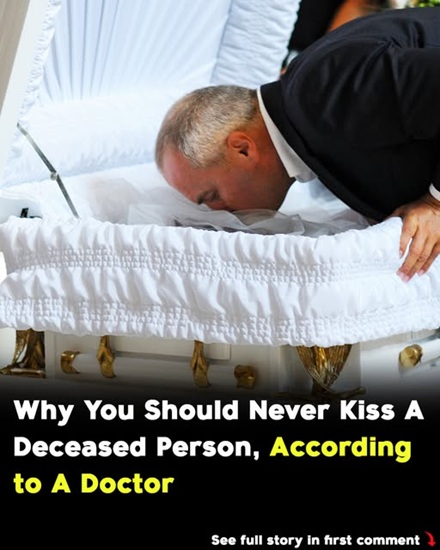
A Moldovan medical professional recently gained significant attention on social media after a short educational video began circulating widely across platforms such as TikTok. The doctor, known publicly as Dr. Viktor Ivanovik, has built a following by sharing health-related content aimed at raising awareness about medical and hygiene topics. His videos often address everyday health questions in a simplified way for general audiences. In this particular case, his message focused on post-mortem biological processes and the importance of understanding basic health precautions. The content quickly attracted attention due to its sensitive subject matter.
In the video, Dr. Ivanovik discusses general biological changes that occur in the human body after death, focusing on decomposition as a natural process. From a medical perspective, decomposition involves a series of biological and chemical changes that begin shortly after the heart stops functioning. These processes include the breakdown of tissues and the activity of naturally occurring bacteria. Medical science has long studied these changes, particularly in fields such as pathology and forensic medicine, where understanding time and cause of death is essential. The doctor’s message simplifies these concepts for a general audience.
According to established medical knowledge, the body undergoes predictable stages after death, influenced by environmental conditions such as temperature, humidity, and time. Bacterial activity plays a natural role in this process, as microorganisms that are normally present in the body begin to break down tissues. These processes are not immediate in a dramatic sense, but occur gradually over time. Forensic experts use these biological changes to help estimate the time of death in investigative contexts. Dr. Ivanovik’s video references these general scientific principles in an accessible format.

The central point of the video, as shared online, is a general warning about being mindful of hygiene and potential exposure to biological material during post-mortem contact. In medical environments, handling of deceased individuals is conducted under strict safety protocols designed to minimize any potential health risks. Outside of clinical or controlled environments, public health guidelines generally emphasize caution and proper hygiene practices. These recommendations are not specific to any one culture or tradition but are part of broader medical safety standards.
After the video was shared, it quickly spread across social media platforms, generating widespread discussion among viewers. Many users expressed that they had not previously considered the biological aspects of post-mortem conditions in detail. Others engaged in broader conversations about the balance between medical awareness and cultural practices surrounding death. Social media often amplifies such topics rapidly, particularly when they involve emotional or sensitive subject matter. As a result, the video became part of a larger public discussion about health education.
A number of viewers responded by sharing personal reflections related to mourning and farewell rituals. In many cultures around the world, saying goodbye to deceased loved ones is an important emotional and spiritual practice. These traditions vary widely depending on cultural, religious, and personal beliefs. While medical guidance focuses on biological safety, cultural practices are often rooted in emotional meaning and long-standing traditions. This difference in perspective is a common reason why such topics generate diverse reactions online.
Health professionals frequently emphasize the importance of clear communication when discussing topics that involve both medical science and cultural sensitivity. While biological processes can be explained through science, the emotional and cultural significance of death-related practices cannot be overlooked. Public health messaging often aims to provide factual information without discouraging personal or cultural expressions of grief. This balance is especially important in global social media environments where audiences come from different backgrounds and belief systems.
The viral nature of Dr. Ivanovik’s video reflects how medical content is increasingly shared through short-form digital platforms. Social media has become a major channel for health education, allowing professionals to reach large audiences quickly. However, this format also presents challenges, as complex medical topics must often be condensed into brief explanations. This can sometimes lead to misunderstandings if viewers interpret simplified information without additional context. For this reason, clarity and careful wording are essential in digital health communication.
In general medical practice, exposure to biological material from deceased individuals is managed under controlled conditions, especially in hospitals, morgues, and forensic laboratories. These environments follow established safety procedures designed to protect healthcare workers and prevent unnecessary risk. Outside of such settings, public health advice typically focuses on general hygiene awareness rather than specific restrictions. The goal is to ensure safety while respecting the emotional and cultural significance of farewell practices.
The discussion sparked by the video also highlights the broader relationship between science, culture, and public understanding. Death is a universal human experience, but the way societies approach it varies widely. Medical explanations focus on biological processes, while cultural traditions focus on meaning, memory, and emotional closure. When these perspectives intersect, conversations can become both educational and sensitive. This makes respectful communication especially important in public discussions.
Psychologists and healthcare professionals also recognize that mourning rituals play an important role in emotional processing. These practices can help individuals cope with grief and provide a sense of closure. Because of this, discussions about health risks must be handled carefully to avoid misunderstanding or unnecessary alarm. The goal of medical communication is typically to inform rather than to discourage meaningful personal or cultural expression.
The widespread attention given to Dr. Ivanovik’s video illustrates how quickly health-related content can gain global visibility online. Platforms like TikTok allow information to reach audiences across different countries within a short time. This creates opportunities for education, but also increases the responsibility of ensuring accuracy and context. Public reaction to such content often reflects a combination of curiosity, concern, and personal interpretation.
In conclusion, the video shared by Dr. Viktor Ivanovik highlights general medical knowledge about post-mortem biological processes and hygiene awareness. While the scientific principles discussed are based on established understanding of decomposition, the public response demonstrates how sensitive and culturally significant the topic of death remains. The situation underscores the importance of clear, responsible communication in health education, particularly on social media platforms. It also reflects the ongoing need to balance scientific information with respect for cultural traditions and emotional experiences.
