
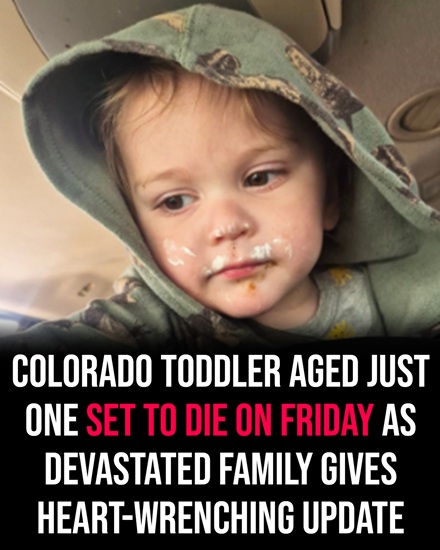
A young family in Colorado is experiencing an unimaginable and life-altering tragedy after their infant son developed a sudden and severe illness that changed their lives completely within only a few days.
Their baby boy, Alastor, just over one year old, was described by his parents as a happy, energetic child whose presence brought constant joy, light, and emotional connection into their household every single day.
According to his family, he was the center of their home life, a child whose laughter and curiosity shaped daily routines and created meaningful memories that now feel even more precious in hindsight.
For his parents, Eric Ryan and Maegan Coffin, the situation began abruptly in early January when their son first showed signs of what initially appeared to be a common and manageable respiratory illness.

On January 9, Alastor reportedly woke up experiencing congestion and noticeable difficulty breathing, symptoms that are often associated with seasonal viral infections in young children and are frequently treated at home or with basic medical care.
Concerned about his condition, his parents made the decision to seek immediate medical attention at an emergency department in Northglenn, near Denver, hoping for reassurance, diagnosis, and appropriate treatment for their son.
At the hospital, according to the family’s account, medical staff evaluated the child and provided medication before discharging him, as his symptoms were initially considered stable and not requiring hospitalization at that moment.
After returning home, however, Alastor’s breathing difficulties reportedly did not improve, and his condition continued to cause concern for his parents, who closely monitored him throughout the night and following hours.
As his symptoms persisted, the family decided to return to the emergency department, believing that his condition required further evaluation and possibly more advanced medical intervention than initially provided.
Upon their return, medical staff conducted additional assessments, including imaging tests such as X-rays, in order to better understand the severity and underlying cause of the child’s respiratory distress.

According to the family’s understanding, the situation escalated rapidly during this second hospital visit, as Alastor’s breathing condition worsened significantly while he was under medical observation.
At a critical moment following the examination, the child reportedly stopped breathing, prompting immediate emergency response measures from hospital staff who worked urgently to stabilize his condition.
Doctors are said to have performed intubation procedures to secure his airway, ensuring that oxygen could be delivered mechanically while preparing for transfer to a facility with specialized pediatric intensive care.
During this emergency phase, his mother later expressed concern that there may have been a period when oxygen levels were insufficient, although exact timelines and medical details remain part of the family’s understanding of events.
Following stabilization efforts, Alastor was transferred to another hospital for advanced care, where medical teams continued intensive monitoring and treatment in an effort to support his breathing and neurological function.
Despite these efforts, the child’s condition reportedly remained extremely critical, and doctors later informed the family of severe neurological complications affecting his brain activity.
At a later stage, the family was told that Alastor had no detectable brain function, a diagnosis that is medically associated with profound and irreversible brain injury in clinical settings.
For his parents, this information represented a devastating turning point, transforming a hopeful medical struggle into an overwhelming situation of grief, shock, and emotional disbelief.
They described the experience as emotionally unbearable, particularly given how quickly their son’s condition changed from a manageable illness into a life-threatening medical emergency.

The emotional burden extended beyond the parents themselves, as the couple’s other children were also present during parts of the hospital testing process, according to the family’s account.
Eric Ryan shared that having his other children witness the brain activity testing added another layer of emotional pain, as the family collectively experienced the distressing reality of the situation.
He stated that watching his children react emotionally during such a critical moment left a lasting psychological impact, describing it as something no family should have to endure together.
In the midst of medical uncertainty, the family attempted to maintain hope while simultaneously trying to understand how a common respiratory illness could escalate so quickly and severely.
Medical explanations later provided to the family reportedly included Human metapneumovirus, a respiratory virus that can circulate among children and is known to cause a range of respiratory symptoms.
Health information about Human metapneumovirus indicates that it can resemble other viral infections such as RSV or influenza, often beginning with mild symptoms before potentially progressing in severity.
In some pediatric cases, the virus has been associated with complications such as bronchiolitis or pneumonia, which can significantly affect breathing capacity in infants and young children.
Medical professionals also note that young children can be particularly vulnerable due to smaller airways and developing immune systems, which can increase the risk of rapid symptom progression.
In addition to viral infection, the family was also informed about the possibility of croup, a condition that causes swelling in the upper airway and can make breathing especially difficult in young children.
The combination of respiratory infection and airway inflammation can sometimes create a serious medical situation requiring immediate intervention, oxygen support, and intensive care monitoring.
Despite receiving medical explanations, the family has continued to struggle with unanswered questions about the timeline of events and whether earlier intervention might have changed the outcome.
They have expressed emotional difficulty in understanding how quickly their son’s condition progressed from a common illness into a critical, life-threatening medical emergency.
Like many families in similar situations, they are trying to reconcile medical information with personal experiences, memories, and the emotional reality of what they witnessed.
The family has also reportedly considered legal action, as they seek clarity, accountability, and a complete understanding of the medical decisions made during both hospital visits.
This step reflects their desire to fully understand whether different actions, timing, or assessments could have influenced the progression of their son’s condition.
At one point during the hospitalization, Eric Ryan reportedly experienced difficulty accessing his son in the intensive care unit, an experience that added further emotional distress during an already overwhelming period.
He later described feeling confused and emotionally strained during this situation, although he emphasized that he had not acted aggressively and had only wanted to remain close to his child.
Eventually, he was allowed to return to his son’s side, but the incident left a lasting emotional impression during an already deeply painful medical crisis.
Throughout the hospitalization, the family remained closely involved, staying near the hospital and hoping for any signs of improvement or recovery in their son’s condition.
As time passed, medical updates reportedly indicated continued neurological deterioration, and the family began to prepare emotionally for the possibility of saying goodbye.
This transition from treatment-focused care to end-of-life preparation was described as one of the most difficult experiences any parent could face in such a short time.
Family members and close friends began offering emotional support, visiting when possible, and helping the parents cope with the overwhelming emotional and practical challenges they were facing.
In addition, public support reportedly emerged through fundraising efforts intended to help the family manage medical expenses and related financial burdens during the crisis.
While financial support did not change the medical outcome, the family has acknowledged that community compassion helped them feel less isolated during an extremely painful period.
Alastor’s story has resonated with many people as an example of how quickly a seemingly ordinary childhood illness can escalate into a severe and life-threatening medical condition.
It has also highlighted the emotional difficulty families experience when facing uncertainty, rapid medical changes, and complex decisions in emergency healthcare settings.
Medical experts often emphasize the importance of monitoring respiratory symptoms in infants closely, especially when breathing difficulties, persistent congestion, or worsening conditions are present.
They also note that early reassessment can be important when symptoms do not improve, as pediatric respiratory conditions can sometimes change rapidly over short periods of time.
However, each medical case is unique, and outcomes depend on multiple factors including the nature of the infection, timing of treatment, and the child’s individual health response.
For Alastor’s family, the focus remains deeply personal, centered on their memories of a joyful child whose presence brought happiness, meaning, and emotional connection into their lives.
As they prepare for their final moments together, they continue to hold onto the memory of who he was as a living, vibrant child rather than the medical circumstances surrounding his condition.
Eric Ryan has expressed emotional exhaustion, describing the experience as something no parent can ever fully prepare for or emotionally comprehend until faced directly with it.
His reflections highlight the profound emotional toll of prolonged medical crisis, uncertainty, and the gradual acceptance of an outcome that feels unimaginable.
The family’s journey remains one of grief, love, unanswered questions, and the search for understanding during one of the most difficult experiences a parent can endure.
Ultimately, their story underscores the fragility of early childhood health and the importance of timely medical attention when respiratory symptoms escalate unexpectedly.
It also reflects the deep emotional bonds within families, especially in moments of crisis when presence, love, and togetherness become the most meaningful sources of strength.
As they approach the heartbreaking farewell, the family holds tightly to the memory of Alastor’s life, focusing on love, connection, and the short but meaningful time they shared together.
