
Bruce Willis, the iconic actor known worldwide for his roles in films such as Die Hard, Pulp Fiction, and The Sixth Sense, has been facing a profound personal challenge since his diagnosis with frontotemporal dementia (FTD) in 2022.
The degenerative neurological condition, which affects behavior, personality, and language, has deeply impacted not only Bruce but his entire family. Over the past year, the actor’s health has declined to the point that he now lives full-time with dedicated caregivers.
Throughout this difficult period, Bruce’s wife, Emma Heming Willis, has been remarkably open about their family’s journey.
She has shared both the emotional struggles and the moments of adaptation, providing insight into how the family continues to navigate life with love and care despite the profound changes brought on by dementia.
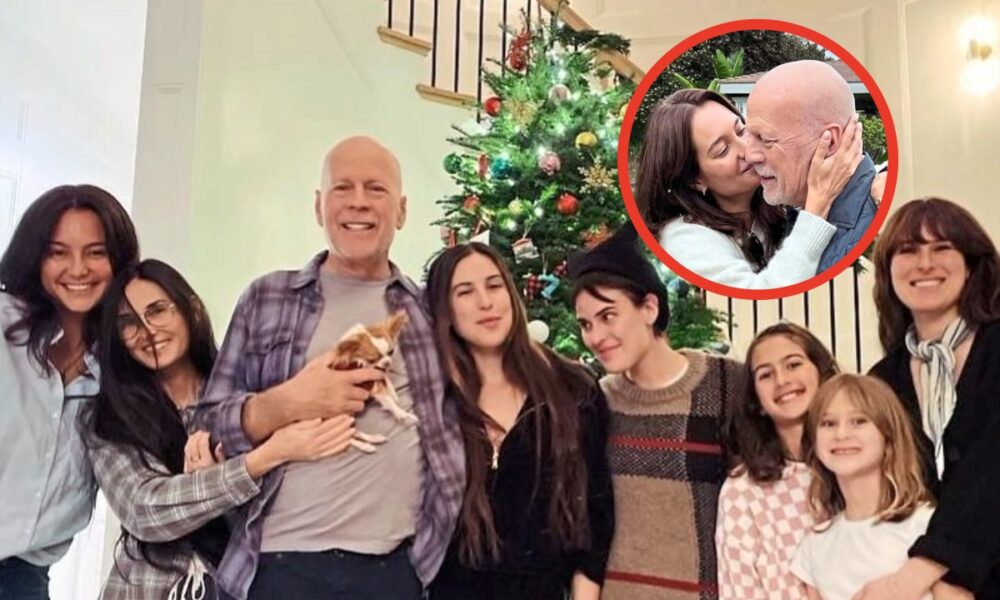
With Christmas approaching, Emma took to her personal blog to offer a heartfelt reflection on how the holidays feel different for them now and how they’ve been finding ways to maintain meaning, joy, and connection during this challenging time.
A Holiday Reflection
Emma Heming Willis began her blog post by acknowledging the emotional complexity of the holiday season for families dealing with dementia. She wrote:
“The holidays have a way of holding up a mirror, reflecting who we’ve been, who we are, and what we imagined they would be. When you’re caring for someone with dementia, that reflection can feel especially poignant. Traditions that once felt somewhat effortless require planning—lots of planning.
Moments that once brought uncomplicated joy may arrive tangled in a web of grief. I know this because I’m living it. Yet despite that, there can still be meaning. There can still be warmth. There can still be joy. I’ve learned that the holidays don’t disappear when dementia enters your life. They change.”
Her words encapsulate a reality that many caregivers and families face but is rarely discussed in public. While the holidays are often portrayed as a time of cheer, tradition, and effortless celebration, families impacted by dementia experience a different kind of holiday reality—one that combines love, care, adaptation, and sometimes grief.
The Role of Grief in Dementia Care
Emma emphasizes that grief is a natural part of the process, even in the absence of death. She explains:
“Before anything else, I want to say this: it’s okay to grieve. Grief doesn’t only belong to death. It belongs to change, and the ambiguous loss caregivers know so well. It belongs to the realization that things won’t unfold the way they once did. It belongs to the absence of routines, conversations, or roles that were once so familiar you never imagined them ending.”

This concept, often referred to by specialists as ambiguous loss, is common among families of individuals with dementia. Unlike grief following a death, ambiguous loss is ongoing.
Caregivers and loved ones experience a deep sense of mourning for the person as they once were, while that person is still alive and present. In the Willis household, this form of loss manifests daily, and particularly during the holidays, when traditions and routines highlight changes in abilities and roles.
Christmas Through Bruce’s Eyes
Emma also shared her reflections on Bruce’s love for the holiday season. Before his diagnosis, Bruce embraced Christmas with a warmth and enthusiasm that defined their family celebrations. She wrote:
“He loved this time of year—the energy, family time, the traditions. He was the pancake-maker, the get-out-in-the-snow-with-the-kids guy, the steady presence moving through the house as the day unfolded. Dementia doesn’t erase those memories. But it does create space between then and now. And that space can ache.”
Her words illustrate the duality of memory and reality in dementia. While past traditions are preserved in memory and continue to hold emotional significance, the ability to perform those activities changes. The gap between the “then” and “now” can create both longing and a sense of loss for caregivers and family members.
Adjusting to Change
In September 2023, Emma shared that Bruce had moved into a nearby one-story home staffed with full-time caregivers.
This was a difficult but necessary step, given the progression of his condition. While the move has allowed Bruce to receive constant support, it also underscored the ways in which family roles must adapt to the realities of dementia care.
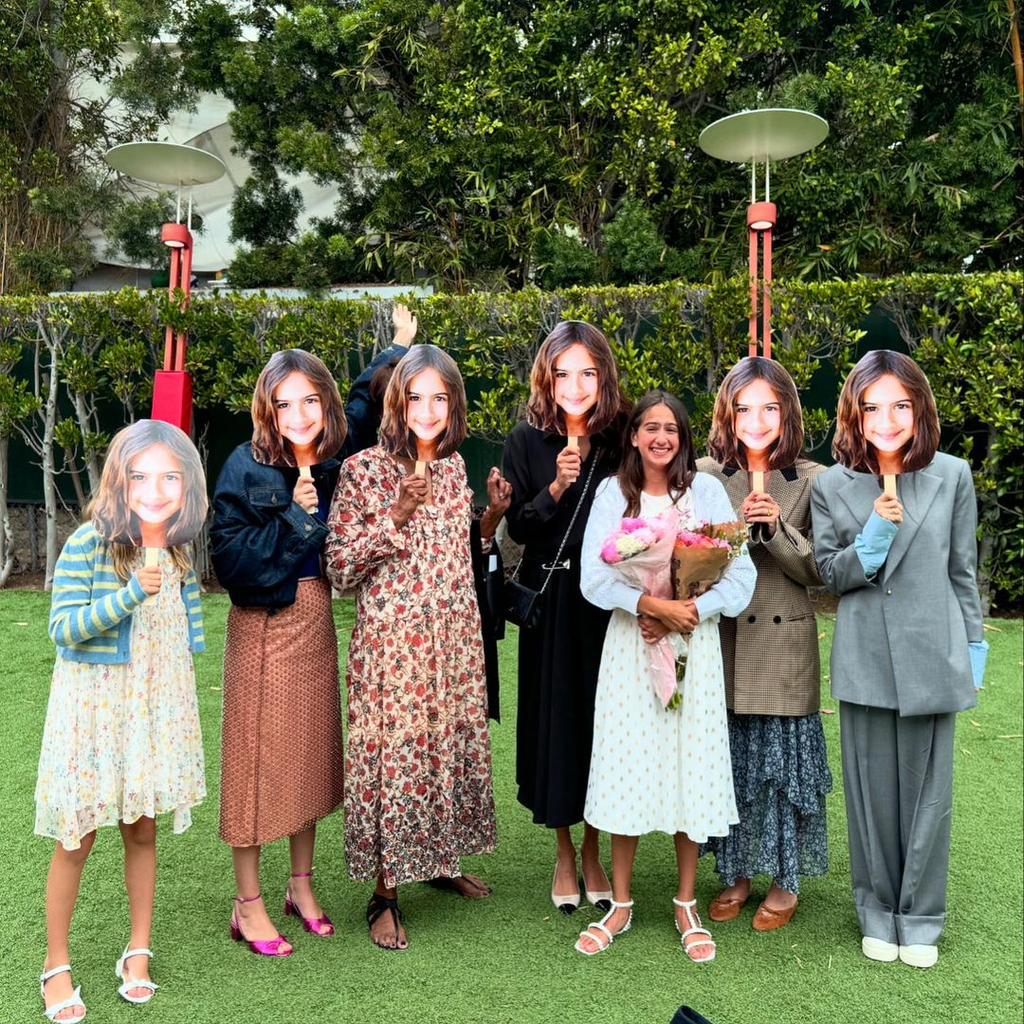
Emma’s blog emphasizes this adjustment through the lens of holiday preparation. She explains how she has taken over tasks that Bruce once led.
“I find myself, harmlessly, cursing Bruce’s name while wrestling with the holiday lights or taking on tasks that used to be his,” she said. “Not because I’m mad at him—never that—but because I miss the way he once led the holiday charge. Yes, he taught me well, but I’m still allowed to feel annoyed that this is one more reminder of how things have changed.”
Her candidness highlights a reality that is often overlooked in public discussions about caregiving: it is possible to feel love, gratitude, and connection while also acknowledging frustration and sadness. The holidays, which are often idealized as a time of effortless joy, can be physically and emotionally demanding for caregivers.
Creating New Traditions
Despite these challenges, Emma emphasizes that the family continues to find ways to celebrate and create meaningful experiences. She writes about maintaining rituals while adapting them to current circumstances:
“This holiday season, our family will still unwrap gifts and sit together at breakfast. But instead of Bruce making our favorite pancakes, I will. We will embrace the traditions that remain possible, and in doing so, create new memories together.”
This approach—retaining core rituals while making adjustments—is widely recommended by dementia specialists. Maintaining familiar routines provides continuity and reassurance for individuals with dementia, while also allowing families to experience shared joy in ways that are feasible and meaningful.
The Emotional Toll
The emotional toll of dementia on families cannot be overstated. Caregiving is a full-time responsibility that blends physical, emotional, and logistical demands.
For high-profile families like the Willises, these challenges are further magnified by public interest. Emma’s decision to openly share their experiences is both brave and instructive, providing a glimpse into the human side of dementia beyond headlines and celebrity coverage.

Her reflections highlight an important principle: caregiving is not solely about medical management, but about emotional presence, adaptation, and resilience. The holidays, with their complex mix of nostalgia, expectation, and tradition, make these demands particularly visible.
The Broader Message
Emma Heming Willis’ reflections go beyond the specifics of her family situation. They provide insight for anyone navigating similar challenges: the importance of acknowledgment, adaptation, and emotional honesty. She emphasizes that it is possible to experience grief and joy simultaneously, to mourn what has changed while embracing what remains.
“Traditions that once felt effortless require planning. Moments that once brought uncomplicated joy may arrive tangled in a web of grief. Yet despite that, there can still be meaning. There can still be warmth. There can still be joy.”
Her words serve as a reminder that dementia care involves constant negotiation between past and present, loss and continuity.
Community and Support
Emma also implicitly encourages caregivers to seek support and community. Writing publicly about her family’s experience allows others to see that they are not alone. Dementia affects millions of families worldwide, and sharing experiences—both the joys and the struggles—can foster empathy, reduce stigma, and provide practical guidance.
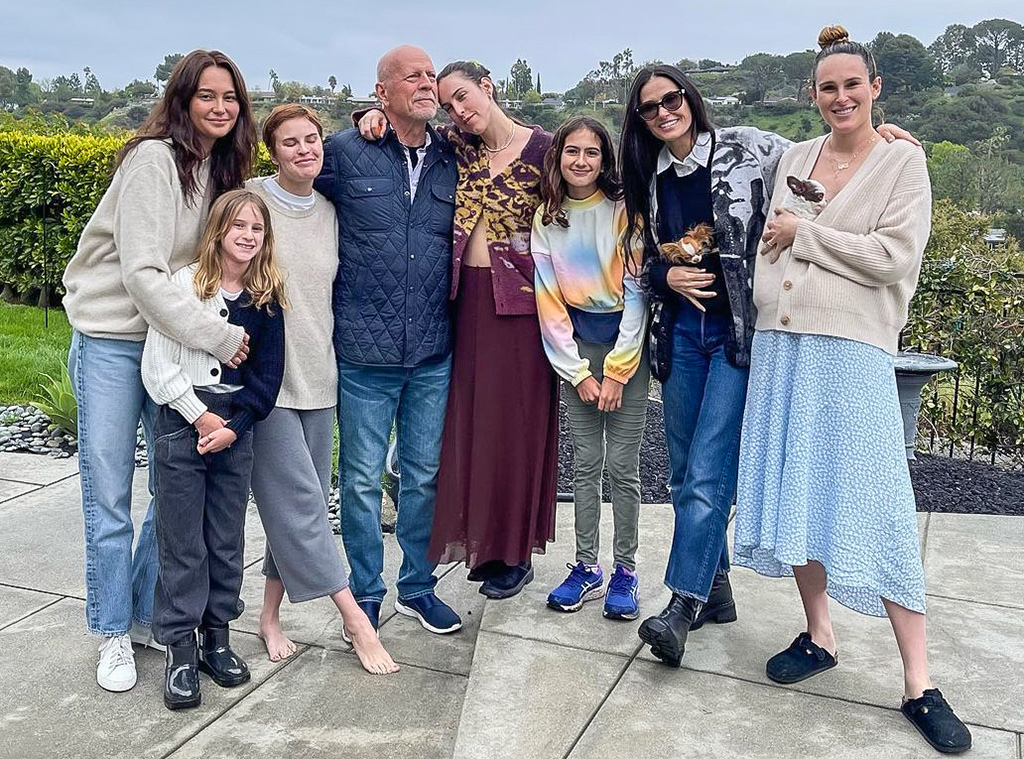
Her blog does not offer only personal reflection; it serves as a model for approaching caregiving and life changes with honesty, grace, and intention. In a world where caregiving can feel isolating, public narratives like hers are profoundly valuable.
A Personal Note
As Christmas approaches, Emma’s reflections remind us that the essence of holiday celebration is not lost to dementia. While roles may shift, tasks may change, and routines may be disrupted, families can still experience connection, warmth, and love.
Her decision to take over the task of making Bruce’s favorite pancakes is emblematic of this adaptation: small gestures that preserve continuity while embracing new realities.
It is also an important reminder to extend compassion to caregivers. Caregiving is a demanding role that often goes unrecognized. Holidays, in particular, can amplify stress, fatigue, and emotional strain. By openly acknowledging these challenges, Emma Heming Willis provides a compassionate model for others in similar circumstances.
Looking Forward
Looking ahead, the Willis family will continue to navigate life with dementia with care, intention, and reflection. Emma’s blog serves as a testament to the resilience of families, the adaptability of traditions, and the enduring capacity for love. Her reflections demonstrate that even amid profound change, meaning, joy, and warmth are not lost—they evolve.
In sharing her experiences, Emma Heming Willis has provided a candid, compassionate perspective on life with dementia during the holidays. It is a reminder that grief and joy can coexist, that traditions can be adapted, and that even when roles shift, the essence of family connection endures.

As fans and followers, our thoughts and prayers remain with Bruce Willis and his family, offering support not only for the challenges they face but also for the courage and love they display in navigating them.
