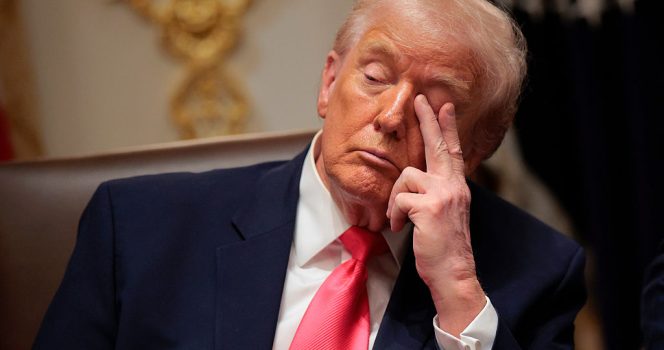
Former President Donald Trump has once again captured national attention with his announcement that Americans could soon receive dividend-style checks funded by U.S. tariff revenue. The proposal, revealed during a Cabinet meeting on December 2, 2025, has generated both enthusiasm and skepticism among the public, policymakers, and economic analysts. Middle-income Americans, in particular, have expressed interest in the potential financial relief, while experts question the feasibility, sustainability, and legislative requirements of such a plan.
The idea of a “tariff dividend” is relatively novel in U.S. fiscal policy. While similar concepts exist in other nations, Trump’s proposal combines trade policy, direct payments to citizens, and broader debt reduction strategies. As discussions continue, Americans are asking key questions: Who qualifies? How much could each person receive? When will checks be issued? And what are the potential economic and political ramifications of implementing such a program?
Trump’s Announcement and Key Details
During the December 2 Cabinet meeting, Trump detailed how tariffs—primarily imposed on imported goods from countries like China and the European Union—could generate revenue for direct distribution to Americans. According to FOX News, the president claimed that the U.S. has been collecting “trillions of dollars” in tariffs, suggesting that a portion of this revenue could be returned to citizens in the form of dividend checks, potentially starting as early as 2026.
Trump emphasized:
“Next year is projected to be the largest tax refund season ever, and we’re going to be giving back refunds out of the tariffs. We’re going to be giving a nice dividend to the people in addition to reducing debt. We, as you know, inherited a lot of debt, but it’s peanuts compared to the kind of numbers we’re talking about. So, we’re going to be making a dividend to the people.”
In addition, Trump suggested that tariffs could enable a reduction in federal income taxes, framing the policy as a dual mechanism to reward citizens while lowering tax burdens:
“Whether you get rid of it or just keep it around for fun or have it really low, much lower than it is now, but you will not be paying income taxes.”
This approach represents a blend of populist economic messaging and fiscal policy framing, often referred to as a “tariff-based dividend” strategy. While tariffs traditionally serve as tools for trade protection and revenue collection, Trump’s plan emphasizes direct redistribution to households.
Eligibility: Who Could Receive the $2,000 Checks?
Eligibility criteria for the proposed tariff dividend are expected to be primarily income-based. Middle-income Americans are the intended beneficiaries, and thresholds have been discussed publicly by experts and financial commentators.
SSA expert and YouTuber Blind to Billionaire explained eligibility in clear terms:
“It is based on your income – that’s it. I’ll make it very clear here: is your income below $75,000 a year, as an individual? Yes or no? That’s it. That’s all you need to know. If your answer is yes, you are most likely eligible for this.”
For married couples filing jointly, the threshold is reportedly $150,000 per year. If implemented as described, the majority of middle-income households in the United States would qualify for a potential $2,000 dividend check. For many families, particularly those grappling with rising costs of housing, healthcare, and education, the dividend could provide welcome financial relief.
Timing: When Can Americans Expect Checks?
Trump has suggested that the dividend payments could begin sometime in 2026, but Treasury Secretary Scott Bessent emphasized the need for legislation before any payments could be issued:
“We will see,” Bessent said, when asked if the plan would be realized. “We need legislation for that.”
Even if Congress approves the necessary laws, administrative logistics—such as determining eligibility, verifying income, and distributing payments through direct deposit or checks—could delay implementation by several months. Experts caution that Americans should view the proposed timeline as preliminary rather than definitive.
Economic Considerations and Potential Challenges
While the concept of a tariff-funded dividend is politically appealing, economists and non-partisan groups have raised concerns about its practicality and economic impact.
Revenue Estimates from Tariffs
The Committee for a Responsible Federal Budget reports that U.S. tariffs currently generate roughly $300 billion annually. A single round of $2,000 payments to millions of qualifying citizens could cost approximately $600 billion, depending on the number of recipients. This raises questions about the sustainability of the program and whether the government could maintain consistent payouts.
Potential Economic Impacts
The Tax Foundation notes several complications that could reduce available revenue:
- Retaliatory tariffs from trade partners could lower U.S. exports and net tariff revenue.
- Inflationary pressures could rise if consumers have increased disposable income from dividend payments but supply constraints exist in key markets.
- Tariffs, while providing revenue, may raise prices for goods, potentially offsetting the benefit of the dividend checks.
Debt Reduction and Fiscal Responsibility
Trump frames the dividend as part of a broader strategy to reduce national debt, claiming that revenue collected from tariffs could be reinvested to benefit citizens. However, economists caution that unless tariffs generate consistent, sustainable surpluses, large-scale cash distributions could exacerbate deficits rather than reduce them. Careful fiscal planning is necessary to ensure that short-term benefits do not create long-term economic liabilities.
Historical Context: Tariffs and Dividend Policies
Distributing revenue from tariffs directly to citizens is rare in U.S. history but has historical precedent internationally. The Alaska Permanent Fund provides an annual dividend funded by oil revenue, which is distributed to all state residents. Trump’s proposal mirrors this approach conceptually but relies on trade revenue instead of natural resource extraction.
In the U.S., tariffs historically served two main purposes:
- Revenue Generation: Tariffs provided funds for government operations before the establishment of a federal income tax.
- Trade Protection: Tariffs protected domestic industries from foreign competition, encouraging local economic growth.
Trump’s tariff dividend proposal diverges from historical practice by framing tariffs as a mechanism to directly supplement household income.
Policy Rationale: Why Tariff Dividends?
Trump has argued that Americans indirectly bear the cost of tariffs, providing a rationale for returning revenue to citizens. At the Cabinet meeting, he stated:
“May in some cases [tariffs] raise prices… to a large extent … have been borne by other countries.”
Additionally, the administration has exempted certain agricultural products from tariffs to mitigate domestic costs, suggesting that revenue could fund a dividend without significantly increasing consumer burden.
The policy rationale combines populist messaging with fiscal strategy, presenting the dividend as both a reward for taxpayers and a means of enhancing middle-class economic security.
Legislative Hurdles
Experts stress that legislation is required before the tariff dividend can be implemented. Key considerations include:
- Congressional Approval: Lawmakers must authorize tariff-based dividends, define eligibility, determine funding mechanisms, and specify distribution methods.
- Administrative Implementation: Agencies such as the IRS would oversee the process of identifying qualifying individuals, processing payments, and issuing funds.
- Economic Oversight: Policymakers must account for potential impacts on inflation, trade relations, and federal debt.
Until Congress acts, the dividend remains a policy proposal rather than a tangible benefit.
Expert Opinions on Tariff Dividends
Economic analysts have offered a range of perspectives:
- Supporters: Argue that tariff dividends could stimulate consumption, provide immediate relief to middle-income families, and reduce income inequality. Returning funds collected indirectly from consumers creates a direct economic benefit for households.
- Critics: Caution that tariffs may not generate sufficient revenue to fund widespread payments, especially if foreign retaliation reduces trade. Some economists suggest that targeted tax cuts could achieve similar results more efficiently.
- Fiscal Responsibility Advocates: Warn that large dividend programs without sustainable revenue streams could worsen deficits and create long-term fiscal challenges.
These perspectives highlight the complexity of implementing a program that combines trade policy, direct payments, and fiscal management.
Public Reaction
The announcement has drawn a variety of responses:
- Positive Reception: Many middle-income Americans have expressed excitement, viewing the $2,000 checks as a financial boost to cover bills, holiday spending, or education costs. Social media platforms have seen extensive discussion about eligibility and timing.
- Skepticism: Some remain cautious, questioning whether Congress will approve the plan or whether projected tariff revenue is realistic. Critics highlight past tariff initiatives that caused higher prices for imported goods and trade retaliations.
- Political Considerations: Analysts note that a dividend program targeting middle-income voters could have electoral implications, potentially influencing voter sentiment ahead of midterm or presidential elections.
Comparisons to Other Relief Programs
The proposed tariff dividend can be compared to existing federal initiatives:
- Economic Impact Payments (EIPs): Stimulus checks issued during the COVID-19 pandemic provided direct support to millions of Americans.
- Child Tax Credit Payments: Monthly payments aimed at supporting families and reducing child poverty.
- Alaska Permanent Fund Dividends: Annual distributions funded by oil revenues, offering a domestic model for resource-based dividends.
Unlike these programs, the tariff dividend would rely on trade revenue rather than taxation or natural resources, establishing a new model of federal revenue redistribution.
Potential Risks and Considerations
Several potential risks must be addressed:
- Economic Volatility: Tariff revenue is sensitive to global trade conditions and political factors. A downturn in trade could reduce available funds.
- Inflationary Pressure: Direct payments could increase consumer demand, potentially leading to higher prices if supply is constrained.
- International Trade Relations: Tariffs may provoke retaliatory measures from trading partners, affecting exports and domestic industries.
- Legislative Roadblocks: Congressional debate on the size, scope, and implementation method could delay or alter the plan.
Careful planning is essential to ensure that the dividend benefits do not come at the expense of economic stability.
Bottom Line: Promise vs. Reality
Key takeaways for Americans:
- Timing: Potentially 2026, contingent on legislation and administrative processes.
- Eligibility: Individuals earning below $75,000 annually and married couples below $150,000.
- Legislative Requirement: Congressional approval is mandatory.
- Economic Uncertainty: Tariff revenue may not fully cover payouts, and economic consequences could offset intended benefits.
While the concept is politically appealing and resonates with voters, practical implementation remains uncertain.
Conclusion
President Donald Trump’s $2,000 tariff dividend proposal reflects a strategy of connecting trade policy directly to household income. By framing tariffs as a revenue source for middle-income Americans, the plan combines populist messaging with fiscal policy objectives.
Excitement is high, particularly among families seeking relief from rising living costs. However, the plan faces significant hurdles, including the need for congressional legislation, economic feasibility concerns, and administrative challenges. Experts caution that careful planning is required to ensure fiscal sustainability and prevent unintended consequences.
If successfully implemented, the $2,000 tariff dividend would establish a novel intersection of trade, taxation, and direct government payments to citizens. As Congress and the administration continue to debate the proposal, Americans will watch closely to determine whether the promise evolves into a tangible economic benefit.
