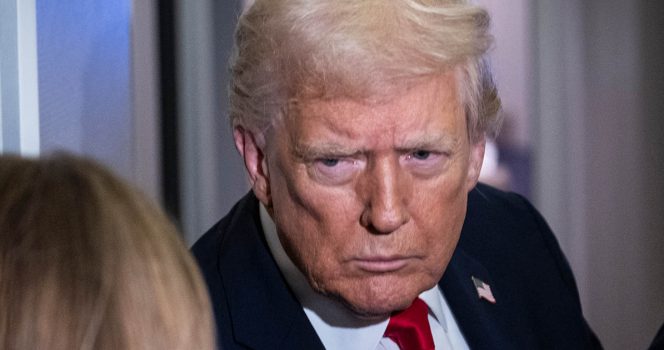
Donald Trump’s Escalating Attacks on Female Journalists Draw National and International Attention
Former U.S. President Donald Trump has a long-standing and well-documented history of targeting the press with personal, inflammatory, and often gendered attacks. Over the past several weeks, this pattern of hostility has intensified, with female journalists becoming the primary focus of criticism. These incidents have sparked debate across media organizations, press freedom advocacy groups, civil society, and the public at large, raising concerns about the implications of such rhetoric for democratic norms, accountability, and the culture of political discourse.
While the White House maintains that the president’s comments have “nothing to do with gender,” the disproportionate targeting of women has led many media analysts and advocacy groups to argue that these attacks reinforce harmful gender biases, perpetuate harassment, and create an intimidating environment for female journalists.
A Shift in Political Norms: Personal Attacks on the Press
In earlier decades, personal attacks by a sitting U.S. president on individual journalists would have sparked widespread public outrage, dominated national headlines, and likely prompted congressional inquiry or formal investigation. Terms like “ugly,” “stupid,” or the use of ableist slurs in reference to journalists or public officials would have been considered beyond acceptable norms of political discourse.
However, in recent years, public discourse around politicians and the media has shifted. Personal attacks, ad hominem remarks, and social media-based insults have become increasingly normalized in American political culture. Trump’s rhetoric exemplifies this change: insults directed at journalists are often framed by supporters as “directness,” “tough questioning,” or “transparency.” Critics argue that normalizing hostility toward reporters undermines press freedom, weakens public trust in media institutions, and sets a troubling precedent for how political power interacts with accountability.
The normalization of such behavior has consequences beyond immediate public perception. By reducing critical journalism to a target for personal ridicule, political leaders risk eroding institutional norms designed to protect free speech, transparency, and democratic oversight.
Targeting Female Journalists: Patterns and Recent Incidents
In recent months, Trump’s attacks have disproportionately targeted female reporters, drawing national and international attention. These attacks include both public verbal confrontations and amplified social media statements.
1. Bloomberg Correspondent Catherine Lucey
In November 2025, Catherine Lucey asked the president questions regarding previously classified files connected to the Epstein investigation. In response, Trump directed the remark: “Quiet, piggy.” This statement prompted widespread condemnation across the media, advocacy groups, and public discourse, with critics describing it as a clear example of gendered harassment. The comment highlighted not only personal disparagement but also a broader pattern in which female journalists receive disproportionate criticism for pursuing substantive, public-interest questions.
2. CNN Correspondent Kaitlan Collins
Another widely reported incident involved CNN Chief White House Correspondent Kaitlan Collins. During a press briefing, Collins questioned Trump about renovations at the White House, specifically regarding a new ballroom that Trump claimed was privately funded. In response, Trump posted on Truth Social:
“Caitlin Collin’s of Fake News CNN, always Stupid and Nasty…”
The post not only included a misspelling of her name but also served to publicly humiliate and delegitimize Collins’ reporting. Collins responded professionally, clarifying that her question related to U.S. military operations off the coast of Venezuela, specifically a bombing that resulted in over 80 deaths and included reports of a controversial “double tap” strike. International law observers widely criticized the strike, with some calling for investigations into potential violations of human rights.
3. Other Female Journalists
Beyond Collins and Lucey, numerous female journalists from ABC, Bloomberg, CNN, CBS, and The New York Times have been subjected to derogatory comments from Trump, both in public appearances and via social media. These journalists have been labeled “stupid,” “ugly,” “nasty,” or otherwise belittled for posing legitimate questions or pursuing investigative reporting. While male journalists have occasionally faced criticism, the concentration of negative attention on women suggests a gendered pattern that raises concerns about harassment and professional intimidation.
Ableist and Islamophobic Language
Trump’s recent attacks are not confined to journalists alone. During the Thanksgiving period of 2025, his posts on Truth Social included ableist and Islamophobic language aimed at public officials:
- Minnesota Governor Tim Walz was referred to with an ableist slur.
- Representative Ilhan Omar was called “the worst ‘Congressman/woman’ in our Country… always wrapped in her swaddling hijab.”
These statements underscore a broader pattern of using personal attacks to assert dominance, demean political rivals, and shift public discourse from substantive policy discussions to personal vilification. Observers argue that such rhetoric has societal consequences, normalizing prejudice and fostering an environment in which discriminatory language is tolerated, particularly in politically charged contexts.
Press Freedom and the Role of the Media
Despite repeated personal attacks, news organizations continue to defend their journalists and maintain rigorous reporting. CNN issued a public statement supporting Kaitlan Collins:
“Kaitlan Collins is an exceptional journalist… audiences around the world know they can trust her reporting.”
Similarly, The New York Times defended its reporting on the president’s health and energy levels, asserting:
“Name-calling and personal insults don’t change that. Our journalists will not hesitate to cover this administration.”
Advocates emphasize that these attacks are more than isolated incidents; they create a chilling effect where reporters may feel pressured to self-censor, avoid sensitive topics, or limit investigative questioning. Over time, this dynamic threatens democratic accountability, as journalists play a critical role in scrutinizing government actions, policies, and potential abuses of power.
White House Response and Justification
The White House has repeatedly framed the president’s comments as unrelated to gender. Spokeswoman Abigail Jackson told The Independent:
“President Trump has never been politically correct, never holds back, and in large part, the American people re-elected him for his transparency. This has nothing to do with gender – it has everything to do with the fact that the President’s and the public’s trust in the media is at an all-time low.”
While intended to portray the attacks as general distrust of the press, critics argue that selective targeting of female journalists undermines this explanation. Media watchdogs and academic studies show that repeated gendered attacks are statistically significant and culturally impactful, reinforcing stereotypes and creating an unwelcoming professional environment for women in political journalism.
Historical Context: Trump and Media Relations
Trump’s adversarial relationship with the press predates his presidency. During his 2015–2016 campaign, he frequently labeled critical news outlets as “fake news” and encouraged public distrust of journalists. He often singled out individual reporters for personal attacks, framing critical reporting as dishonest or biased.
Since taking office, these tactics evolved to target specific journalists, particularly women, and to amplify attacks via social media. Studies indicate that female political journalists are more likely to face gendered criticism, harassment, and online abuse compared to male counterparts. Trump’s repeated focus on women reflects this global trend, intersecting with broader challenges in media, politics, and public visibility for female reporters.
International Implications
The attacks have drawn attention beyond the United States. International press freedom organizations, such as Reporters Without Borders and the Committee to Protect Journalists, monitor attacks on journalists globally, highlighting the dangers of public insults by state leaders. Such behavior emboldens harassment, weakens transparency norms, and undermines public trust in media institutions.
The targeting of female journalists sends a message to political figures, media audiences, and social media users that personal attacks against women are acceptable, contributing to gender inequality and impacting journalists’ professional longevity and psychological safety.
The Broader Democratic Consequences
Attacks on journalists threaten democratic accountability by diverting public attention from policy substance to personal spectacle. When reporters are belittled, harassed, or intimidated, their capacity for independent reporting is compromised. Furthermore, public discourse shifts toward sensationalism, undermining public understanding of essential topics such as legislative oversight, military operations, and human rights concerns.
The pattern of gendered attacks also highlights the intersection of media freedom, gender equity, and political culture. It raises questions about how societies balance freedom of expression with the responsibility of public figures to engage respectfully with the press.
Psychological and Social Effects on Journalists
Research in occupational psychology shows that repeated exposure to verbal harassment can increase stress, anxiety, and burnout among journalists. Female reporters, in particular, are vulnerable to gendered attacks that emphasize appearance, tone, or demeanor. Over time, such a hostile work environment can influence newsroom culture, discourage new entrants into the profession, and potentially narrow public discourse by reducing diversity of voices and perspectives.
International Comparisons
Globally, female journalists face disproportionate risks, especially when covering politics, conflicts, and sensitive investigations. Countries across Europe, Asia, and North America report higher levels of harassment, online abuse, and professional marginalization for women in media. International organizations consistently advocate for robust legal protections, cultural interventions, and institutional support to ensure that journalists can operate safely and equitably.
Conclusion: A Pattern That Demands Attention
Donald Trump’s recent attacks on female journalists, including public insults, belittlement, and name-calling, are not isolated incidents but part of a broader, persistent pattern. While the White House frames these remarks as general skepticism toward the press, the disproportionate targeting of women demonstrates a clear gendered dimension.
Journalists, media organizations, and advocacy groups continue to defend press freedom and emphasize the importance of accountability. The public debate surrounding these attacks highlights pressing questions about political communication, gender equity, media responsibility, and democratic oversight.
Ultimately, these incidents serve as a reminder of the critical role the press plays in democracy, the need to protect journalists from harassment, and the societal importance of maintaining civil, fact-based discourse in the political arena. Leaders, institutions, and citizens alike bear responsibility for ensuring that media engagement reflects respect, transparency, and the values that underpin free societies.
