
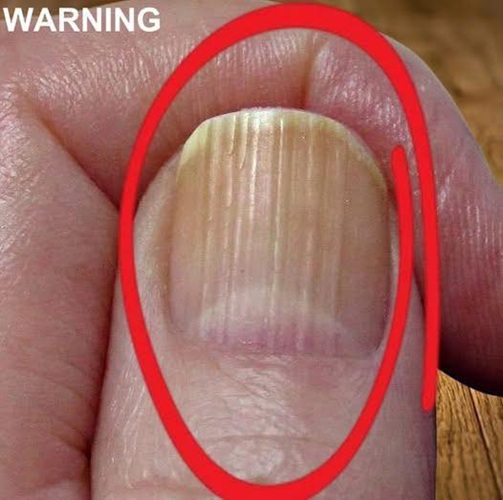
Nail changes, including alterations in color, shape, texture, or thickness, can sometimes reflect underlying health conditions.
While many changes are harmless, persistent or unusual patterns may signal issues such as nutritional deficiencies, infections, or circulation problems.
Nails are made primarily of keratin, a protein also found in hair and skin. Their growth depends on proper blood circulation and adequate intake of essential nutrients, including vitamins, minerals, and proteins required for healthy tissue development.
Because fingernails grow slowly, they often reflect the body’s condition over time rather than sudden changes. This means that consistent or long-term nail abnormalities can sometimes provide clues about past or ongoing health influences.
Healthy nails typically appear smooth, slightly curved, and light pink in color, with a consistent surface. Any deviation from this appearance, especially when persistent, may indicate that something in the body’s internal balance has shifted.
Doctors sometimes examine nails during general physical assessments because they can provide supporting information about overall health. However, nails are not used alone for diagnosis, but rather as part of a broader medical evaluation.
Color changes are among the most noticeable nail variations. Pale or white nails may sometimes be associated with reduced blood flow, anemia, or other systemic conditions affecting oxygen delivery or red blood cell levels.
Yellow nails are often linked to fungal infections, but they may also appear due to chronic respiratory conditions or long-term exposure to certain environmental factors. In some cases, aging or cosmetic use may also contribute.
A bluish tint in the nails can suggest lower oxygen levels in the blood. This may occur temporarily in cold conditions, but persistent discoloration should be evaluated by a healthcare professional for proper assessment.
Dark streaks or lines under the nail may have multiple causes, ranging from minor trauma to more serious conditions. Any new, changing, or irregular pigmentation should be monitored and medically reviewed if it persists.
Changes in nail texture can also provide useful information. Brittle nails that break easily are commonly caused by repeated exposure to water, chemicals, or dryness, but may also reflect internal nutritional imbalances.
Peeling or splitting nails may occur due to frequent hand washing, use of harsh cleaning products, or environmental stress. However, ongoing issues can sometimes indicate deficiencies in vitamins such as biotin or iron.
Nail shape changes are also clinically observed. Spoon-shaped nails, medically known as koilonychia, may be associated with iron deficiency anemia, although they can also be caused by other underlying conditions.
Clubbing of the nails, where the fingertips become enlarged and nails curve downward, may be associated with long-term conditions affecting the lungs, heart, or digestive system, and should be medically evaluated.
Horizontal ridges known as Beau’s lines can appear when nail growth is temporarily interrupted. This may occur after significant physical stress, severe illness, high fever, or recovery from major medical events.
White spots on nails are often harmless and commonly result from minor trauma to the nail matrix. However, they are not typically reliable indicators of calcium deficiency, despite common misconceptions.
Nail thickening may develop over time and can be linked to fungal infections, circulation issues, or chronic conditions affecting skin health. It may also occur naturally with age in some individuals.
Slow nail growth or changes in growth patterns can sometimes reflect nutritional status, metabolic changes, or general health conditions affecting the body’s energy balance and cell regeneration.
Environmental factors also play a significant role in nail health. Repeated exposure to water, detergents, nail products, or physical trauma can gradually affect nail appearance and strength.
Occupational exposure to chemicals or frequent hand use may also contribute to nail damage. Protective measures such as gloves and moisturizing routines can help reduce long-term effects on nail integrity.
Proper nutrition is essential for maintaining healthy nails. A balanced diet containing proteins, iron, zinc, and vitamins supports normal nail growth and helps maintain structural strength over time.
Hydration also plays an important role in nail health. Adequate water intake supports skin and nail flexibility, reducing dryness and brittleness that can lead to splitting or cracking.
While nail changes can provide helpful clues, self-diagnosis is not reliable. Many nail symptoms overlap across different conditions, making professional evaluation important when changes persist or worsen.
Medical professionals consider nail changes alongside other symptoms, medical history, and diagnostic tests to determine whether further investigation is needed for underlying health conditions.
Infections, particularly fungal infections, are among the most common causes of visible nail changes. These infections can cause discoloration, thickening, and structural changes if left untreated.
Early detection and treatment of nail infections are important to prevent progression and reduce discomfort. Treatment options vary depending on the type and severity of the infection.
In some cases, nail changes may resolve naturally once the underlying cause is addressed. However, persistent or unexplained changes should always be evaluated to rule out more serious conditions.
Aging can also influence nail appearance. As people grow older, nails may become thicker, more brittle, or develop ridges, which are generally considered normal age-related changes.
Stress and illness can temporarily affect nail growth and structure. After recovery, visible lines or interruptions in growth may remain as evidence of the body’s healing process.
Maintaining nail hygiene is important for overall health. Regular trimming, cleaning, and avoiding excessive exposure to damaging substances help preserve nail condition over time.
Moisturizing hands and nails can help maintain flexibility and reduce dryness. This is especially important in cold climates or for individuals frequently exposed to water or cleaning agents.
Protective habits, such as wearing gloves during household tasks, can significantly reduce nail damage and help maintain long-term nail strength and appearance.
In conclusion, nails can sometimes reflect broader health conditions, but they should always be interpreted carefully. Persistent or concerning changes should be assessed by healthcare professionals for accurate understanding.
