
We all know that sexual activity is often described as a natural and healthy part of human life. When it is practiced in a safe, consensual, and respectful way, it can be associated with emotional closeness, stress relief, and certain physical health benefits. However, human sexuality is complex, and its effects on the body and mind vary widely from person to person depending on age, lifestyle, health status, relationships, and psychological well-being.
Because of this complexity, researchers have studied both the effects of sexual activity and what may happen during periods when a person is not sexually active for a longer time. One important area that scientists have explored is the connection between sexual activity and stress regulation. During intimate physical experiences, the body may release hormones such as oxytocin and dopamine, which are associated with pleasure, relaxation, and bonding.
At the same time, stress-related hormones like cortisol may temporarily decrease in some individuals. These chemical changes can contribute to a feeling of calmness or emotional balance. However, it is essential to understand that the human body has many other effective ways of managing stress, including sleep, exercise, social interaction, and relaxation techniques.
When a person does not engage in sexual activity for a period of time, the body does not become unbalanced or unhealthy as a result. Instead, it naturally adapts. Sexual desire, or libido, is not a constant biological need like food or water. It can increase or decrease depending on emotional state, mental health, relationship status, fatigue, and life circumstances. Many people go through natural phases of low or no sexual activity without experiencing any negative physical consequences.
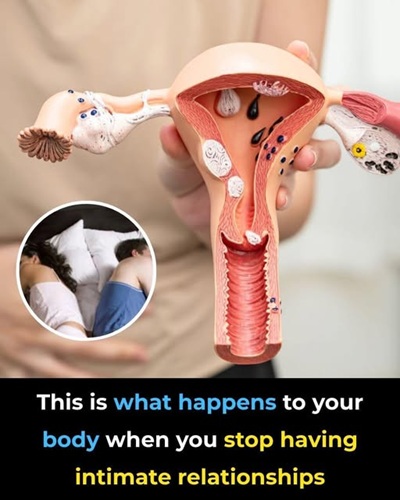
From a physical health perspective, there are often misconceptions about what abstinence does to the body. In women, for example, vaginal tissue remains healthy and functional regardless of sexual frequency because it is naturally self-maintaining and influenced mainly by hormonal changes, aging, and overall health rather than sexual activity alone. Some individuals may notice temporary differences in comfort or sensitivity after a long period without sexual activity, but these changes are not permanent and are not medically considered harmful.
Similarly, pelvic floor muscles in all genders function like other muscles in the body—they respond to general physical activity, exercise, aging, and lifestyle factors. While sexual activity can involve these muscles, their strength and health are more closely linked to overall fitness, posture, and targeted exercises than to sexual frequency alone. This means that periods without sex do not automatically lead to weakening or dysfunction.
Another aspect often discussed in relation to abstinence is emotional and psychological well-being. Sexual activity can contribute to feelings of closeness, bonding, and emotional satisfaction for some people, especially within stable and supportive relationships. However, emotional health is influenced by a much broader set of factors, including friendships, family relationships, mental health, purpose, work satisfaction, and general life stability. A lack of sexual activity does not inherently lead to emotional distress or loneliness.
Human touch in general plays an important role in emotional regulation. Physical affection such as hugging, holding hands, or simple comforting contact can activate feelings of safety and connection. When people experience long periods without physical touch, they may feel a sense of “touch deprivation,” which can affect mood or emotional comfort. However, this concept is not limited to sexual contact alone, as non-sexual physical interaction can also provide many of the same emotional benefits.
There is also ongoing scientific discussion about the relationship between sexual activity and immune function. Some studies suggest that individuals who report regular sexual activity may show slightly different immune markers, possibly due to reduced stress levels or better sleep patterns. However, these findings are not strong enough to suggest that sexual activity is necessary for a healthy immune system. Factors such as nutrition, exercise, sleep quality, and stress management have a far greater and more consistent impact on immunity.
Sleep quality is another area where sexual activity may have indirect effects. Some individuals report feeling more relaxed or sleepy after sexual intimacy, which may be related to hormonal changes and physical relaxation. However, good sleep can also be achieved through many other healthy habits, including consistent sleep schedules, reduced screen exposure before bed, and stress reduction techniques. Sexual activity is only one of many possible influences on rest.
In men, some research has examined possible links between sexual frequency and aspects of sexual function, including erectile responsiveness. Certain studies suggest that regular sexual activity may be associated with better maintenance of sexual function in some individuals, but these outcomes are also strongly influenced by cardiovascular health, mental health, lifestyle choices, and age. Therefore, sexual activity alone is not a determining factor in long-term sexual health.
It is important to clarify that abstinence does not damage the body or cause permanent physical changes. The human system is adaptable and responsive to many different life patterns. People may choose periods of sexual inactivity for personal, emotional, religious, or situational reasons, and these choices do not negatively affect overall health. The body continues to function normally, and sexual responsiveness can return naturally when circumstances change.
From a psychological perspective, human sexuality is closely linked to emotional context rather than being a purely physical need. Desire and interest can fluctuate significantly throughout life. Stress, anxiety, depression, relationship quality, and life priorities all play major roles in shaping sexual interest. This means that changes in sexual activity often reflect broader life changes rather than biological problems.
Overall, sexual activity can be one of many elements that contribute to human well-being, but it is not a requirement for health, happiness, or normal bodily function. People can live healthy, balanced, and emotionally fulfilling lives with or without regular sexual activity. What matters most is overall lifestyle, mental health, social connection, and self-care rather than any single behavior.
In conclusion, sexual activity may offer certain emotional and physical benefits for some individuals, particularly in supportive relationships, but its absence does not harm the body or mind. Human beings are biologically and psychologically adaptable, capable of maintaining health and stability across different life stages and choices. Understanding this helps create a more realistic and balanced view of sexuality, reducing myths and encouraging healthier attitudes toward both sexual activity and abstinence.
