
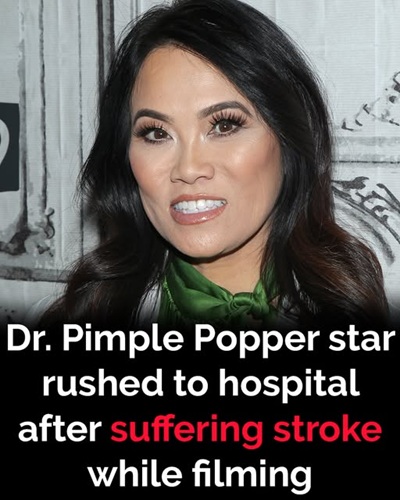
Sandra Lee, widely known as “Dr. Pimple Popper,” is a board-certified dermatologist and television personality who gained international recognition through her dermatology practice and her TLC television series focused on complex skin conditions and patient care.
She became widely known through viral social media videos and later television programs, where she treated patients with cysts, lipomas, and other dermatological conditions, combining medical expertise with educational commentary for public awareness.
In addition to her medical career, Sandra Lee has built a strong media presence, becoming one of the most recognizable dermatologists in the world through her television series and digital platforms focused on skin health education.

During the filming of her spin-off series Dr. Pimple Popper: Breaking Out, she experienced a sudden and serious medical emergency that would later be diagnosed as an ischemic stroke, requiring immediate hospitalization and medical care.
According to her public statements in interviews, the initial symptoms began while she was working on set, when she noticed sudden physical discomfort that did not initially seem severe or clearly neurological in nature.
She has described feeling unusually sweaty and unwell, which she initially thought could be related to stress, exhaustion, or hormonal changes, as filming schedules can often be physically and mentally demanding.
As the episode progressed, she began noticing more concerning symptoms, including weakness in her body, particularly affecting one side, which is a known warning sign of potential neurological issues such as stroke.
She also experienced difficulty with coordination and movement, including trouble walking and controlling basic motor functions, which prompted growing concern about the seriousness of her condition.

In addition to physical weakness, she reported speech-related difficulties, including slurred speech and trouble articulating words clearly, which are commonly recognized indicators of impaired brain function during a stroke event.
As her symptoms intensified, she became increasingly aware that something medically serious was occurring, and she made the decision to seek urgent hospital evaluation for proper diagnosis and treatment.
At the hospital, medical professionals confirmed that she had suffered an ischemic stroke, which occurs when blood flow to a part of the brain is blocked, depriving brain tissue of oxygen and nutrients.
Ischemic strokes are the most common type of stroke and can result in permanent brain damage if not treated quickly, making early detection and emergency response critically important for patient outcomes.
Lee has publicly explained that receiving the diagnosis was emotionally overwhelming, especially because she was medically aware of what a stroke meant and understood the potential seriousness of brain tissue damage.
She has stated that part of the brain tissue was affected during the event, which is consistent with ischemic stroke conditions where reduced blood flow can lead to injury in specific brain regions.

Following her diagnosis, she temporarily paused her professional filming schedule to focus entirely on recovery, rehabilitation, and regaining physical and neurological strength under medical supervision.
Her recovery process included physical therapy, which is a standard treatment approach for stroke patients aimed at improving mobility, coordination, and restoring lost motor functions through guided exercises and rehabilitation techniques.
Physical therapy after stroke often involves repetitive movement training, balance exercises, and gradual reconditioning of affected muscles to help the brain rebuild neural pathways and regain functionality over time.
Lee has explained that recovery was gradual and required patience, as stroke rehabilitation often varies depending on severity, location of brain injury, and individual patient response to therapy.
After a period of rehabilitation lasting approximately two months, she was able to return to her professional responsibilities, including filming and medical practice, although she remained mindful of her health.
She has publicly stated that the experience significantly changed her perspective on health and wellness, particularly in terms of recognizing the importance of stress management and cardiovascular risk factors.
Medical professionals widely recognize that stroke risk factors include high blood pressure, elevated cholesterol, diabetes, smoking, obesity, and chronic stress, all of which can contribute to vascular complications over time.
Following her recovery, Lee has used her platform to raise awareness about stroke symptoms and the importance of seeking immediate medical attention when early warning signs appear.

She has emphasized that time is a critical factor in stroke treatment, as rapid medical intervention can reduce brain damage and improve long-term recovery outcomes significantly.
One widely used public awareness tool for stroke identification is the FAST method, which helps individuals recognize key symptoms quickly and respond appropriately in emergency situations.
FAST stands for Face, Arms, Speech, and Time, representing facial drooping, arm weakness, speech difficulties, and the importance of calling emergency services without delay.
Facial drooping on one side of the face may indicate neurological impairment, while arm weakness or inability to raise both arms evenly is another common early symptom of stroke.
Speech difficulties, such as slurred or confused speech, often indicate disrupted brain function and require immediate medical evaluation to prevent further neurological damage.
The final component, Time, emphasizes that emergency response should not be delayed, as immediate treatment is essential for preserving brain function and improving survival rates.
Lee has also spoken about how public awareness of stroke symptoms is not always sufficient, and that many people initially dismiss warning signs as fatigue or minor health issues.
Her advocacy highlights the importance of education, especially in encouraging people to trust early symptoms and seek medical help rather than waiting for symptoms to worsen.
She has also noted that sharing personal health experiences can help reduce stigma and encourage more open conversations about serious medical conditions like stroke.
Since her recovery, she has continued her work in dermatology and television, while maintaining a greater awareness of her health and lifestyle choices to reduce future risk factors.
Sandra Lee’s experience serves as an example of how quickly a stroke can occur, even in active and seemingly healthy individuals, reinforcing the importance of early recognition and response.
Her message to the public focuses on awareness, prevention, and education, encouraging people to understand stroke symptoms and act immediately when they suspect a medical emergency.
Today, she remains an influential figure in both medicine and media, using her platform to educate audiences about skin health and broader medical awareness, including neurological emergencies like stroke.
