

The lasting appeal of music from the 1950s lies not only in its sound but also in the cultural environment in which it was created, a period where recording technology, radio broadcasting, and vinyl distribution were rapidly expanding.
During this decade, music became more widely accessible to the public, allowing songs to travel beyond local communities and reach national and international audiences in ways that had not been possible before.
Artists were beginning to shape not just songs, but identities, with performances that combined vocal style, instrumentation, and personal expression into something audiences could instantly recognize.
Many of these recordings were produced in relatively simple studio settings compared to modern standards, yet they captured emotional authenticity that continues to resonate with listeners today.

The influence of radio DJs and early television appearances also played a major role in shaping which songs became widely popular, as audiences often discovered music through curated broadcasts.
This era also marked a shift in youth culture, as younger generations began to develop distinct musical preferences that separated them from traditional adult listening habits.
Rock and roll emerged as a defining genre during this period, blending rhythm and blues, country influences, and gospel-inspired elements into a new and energetic sound.
This musical evolution helped establish a foundation for many genres that would later dominate global music charts, including pop, soul, and modern rock variations.
The artists featured in this collection were not only performers but also cultural contributors who influenced fashion, language, and social attitudes through their public presence.
Elvis Presley, for example, became a symbol of musical transformation, blending vocal charisma with stage performance that helped redefine what a popular music artist could represent.
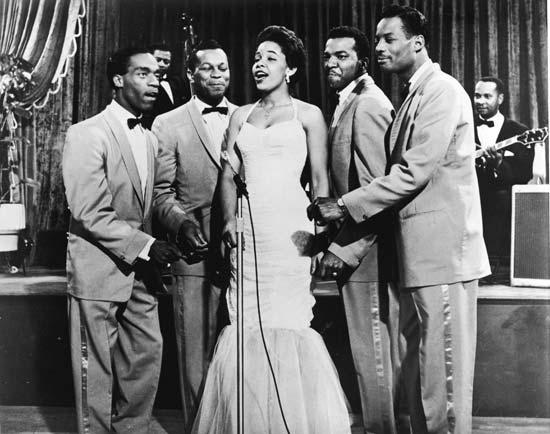
Similarly, figures like Chuck Berry and Little Richard introduced performance styles that emphasized movement, rhythm, and expressive energy, changing the expectations of live music experiences.
Ballads such as those performed by Nat King Cole and Patti Page offered a contrasting emotional tone, focusing on softness, reflection, and romantic storytelling.
These slower songs provided balance within the musical landscape, showing that emotional depth could be conveyed through simplicity and controlled vocal delivery.
The production of music during this time often relied heavily on live instrumental recordings, where entire ensembles performed together in real time rather than through layered digital editing.
This approach contributed to a more organic sound, capturing subtle imperfections that many listeners now associate with authenticity and warmth.
Cultural exchange also played an important role in shaping the music of this era, as artists began incorporating influences from different regions and traditions.

Songs like “La Bamba” demonstrated how regional folk music could be transformed into mainstream hits without losing its cultural identity.
At the same time, technological improvements in recording equipment allowed for clearer sound reproduction, helping preserve these performances for future generations.
As these songs circulated through vinyl records and radio airwaves, they became part of daily life, often played in homes, cars, diners, and social gatherings.
Music also began to serve as a form of emotional expression during times of change, reflecting both optimism and uncertainty in a rapidly evolving world.
The emotional connection listeners formed with these songs often extended beyond the music itself, linking specific tracks to personal memories and life events.
Even decades later, hearing these recordings can trigger strong nostalgic responses, as the brain associates sound with emotional experience and memory recall.
This is one of the reasons why 1950s music continues to be revisited and appreciated by both older audiences and new listeners discovering it for the first time.

Modern streaming platforms have made it easier than ever to access these classic recordings, allowing global audiences to explore historical music catalogs with ease.
Remastered editions of these songs often enhance clarity while preserving the original tone, giving listeners a cleaner but still authentic listening experience.
Music historians frequently study this era to better understand how popular culture evolved and how certain artistic movements influenced later generations.
Educational programs and documentaries also continue to highlight the significance of these artists, ensuring their contributions remain recognized in contemporary discussions.
In addition, many modern musicians cite these early pioneers as major influences in their own creative development, showing the long-lasting impact of this musical period.
The emotional simplicity found in many of these songs is often considered one of their strongest qualities, allowing listeners to connect without needing complex interpretation.

This direct emotional communication is part of what makes classic recordings timeless, as they transcend language, geography, and generational differences.
Even as music continues to evolve with new technology and production methods, these foundational recordings remain relevant as benchmarks of artistic expression.
They serve as reminders that music does not need to be complicated to be meaningful, and that emotional honesty often resonates more deeply than technical complexity.
Ultimately, the songs from this era continue to exist not only as historical recordings but also as living pieces of cultural memory that still find audiences today.
Their influence can be heard indirectly in modern songwriting, production styles, and performance approaches across multiple genres.
As listeners continue to rediscover these classics, the connection between past and present remains active, proving that great music does not fade—it simply evolves in how it is experienced.
