
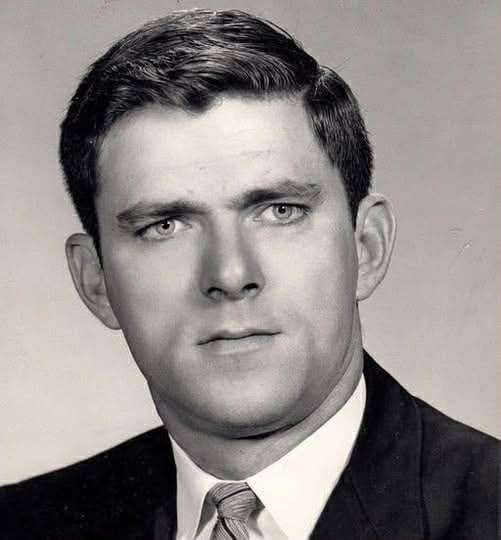
The history of modern television is closely tied to the evolution of public conversation, and few figures played a more influential role in that transformation than Phil Donahue.
His work helped redefine how audiences engaged with daytime television and public discourse. Donahue became widely recognized for creating a talk show format that placed audience participation at the center of discussion.
This approach was significantly different from earlier television programming, which often relied on scripted interviews and controlled studio environments.
Before his influence, daytime television primarily focused on lifestyle content, entertainment segments, and light interviews that rarely addressed complex social issues in depth. Donahue introduced a more open and interactive format.
His program allowed audience members to ask questions directly, share personal experiences, and engage with guests in real time. This structure helped transform television into a more participatory medium.
By giving the audience a voice, Donahue contributed to a broader shift in media culture, where viewers were no longer passive observers but active participants in public discussion.
The format encouraged conversations on topics that were often considered sensitive or controversial at the time, including social change, health issues, political developments, and cultural debates.
Donahue’s interviewing style was characterized by curiosity and direct engagement. Rather than focusing solely on promotion or entertainment, he often explored the underlying issues behind each topic presented on his show.
His ability to facilitate discussion between experts, public figures, and everyday individuals helped bridge the gap between institutional knowledge and personal experience.
This approach contributed to the rise of what is now known as issue-based talk programming, where television serves as a platform for public dialogue rather than only entertainment.
Throughout his career, Donahue became known for addressing topics that reflected the evolving concerns of society, particularly during periods of social and political change in the United States.
His show often provided a platform for discussions that were not widely represented in mainstream media at the time, allowing diverse perspectives to be heard.
Media historians often credit his program with influencing later talk show formats that incorporated audience interaction and socially focused discussions.
The structure of his show relied heavily on live or minimally edited segments, which created a sense of immediacy and authenticity in the conversations.
This format also introduced unpredictability, as audience participation could shift discussions in unexpected directions, reflecting real public sentiment.
Donahue’s presence as a host was defined by his role as a facilitator rather than a central authority figure, allowing guests and audience members to drive much of the conversation.
His interviewing method often involved follow-up questions that encouraged deeper explanation rather than surface-level responses.
This style contributed to a broader cultural understanding of television as a space for dialogue rather than one-way communication.
Over time, his influence extended beyond television production into broader discussions about media responsibility and public communication.
The success of his format demonstrated that audiences were interested in more than entertainment; they also sought meaningful engagement with real-world issues.
This shift helped pave the way for later programs that combined journalism, opinion, and audience participation in new formats.
Donahue’s work is often referenced in discussions about the evolution of media accessibility and the democratization of public discourse.
His approach aligned with broader trends in media development during the late twentieth century, when television became a primary source of both information and cultural exchange.
By integrating audience voices into televised discussions, he contributed to a more inclusive model of communication.
Media analysts often highlight his ability to balance structure and spontaneity within live conversations as a defining feature of his success.
The impact of his program can still be observed in modern talk shows, panel discussions, and interactive media formats that prioritize audience engagement.
In addition to entertainment value, his show often served as a platform for public education and awareness on social topics.
This educational aspect contributed to its cultural relevance and long-term influence on broadcasting standards.
As media environments have evolved with digital platforms and social networks, the principles of open dialogue and audience participation remain central to many forms of communication.
However, the controlled and highly edited nature of modern media often contrasts with the live, unfiltered style that characterized Donahue’s program.
His legacy is frequently discussed in the context of media history, particularly in relation to how television can function as a space for civic engagement.
Rather than focusing on performance alone, his work emphasized conversation, listening, and the exchange of ideas.
This approach helped establish a model where viewers could see themselves reflected in the discussions taking place on screen.
It also contributed to a broader cultural understanding of television as a tool for connection rather than only consumption.
Donahue’s influence extends into academic studies of communication, journalism, and media ethics.
His work is often cited as an example of how media platforms can facilitate public dialogue while maintaining structure and balance.
The long-term significance of his contributions lies in the normalization of open discussion formats in mainstream media.
While television has continued to evolve, the foundational concept of audience-driven conversation remains a lasting part of his legacy.
In reflecting on his career, media historians often emphasize the importance of creating spaces where diverse perspectives can be expressed safely and respectfully.
Donahue’s program demonstrated that television could serve as a platform for both personal storytelling and public debate.
This combination of intimacy and public discourse helped shape a unique viewing experience that resonated with audiences across different backgrounds.
His work also highlighted the importance of empathy in communication, encouraging viewers to consider perspectives different from their own.
The broader impact of his career continues to be recognized in discussions about media influence on public opinion and social awareness.
As a result, his contributions remain relevant in understanding the development of modern talk-based programming.
In conclusion, Phil Donahue played a significant role in transforming television into a more interactive and socially engaged medium.
His legacy reflects the importance of dialogue, audience participation, and open communication in shaping public understanding.
Through his work, he helped redefine how television could function as a platform for discussion, education, and cultural exchange.
