
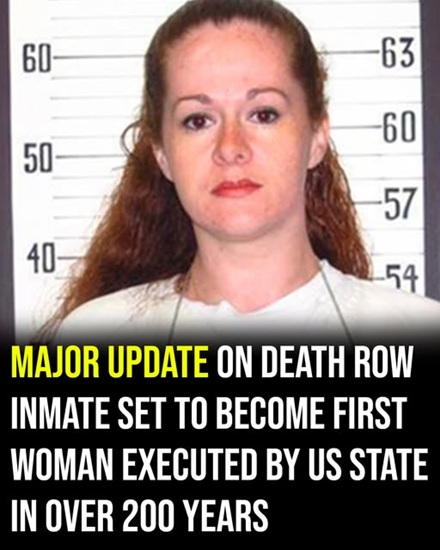
Christa Pike is an American prisoner on death row in Tennessee whose case has remained one of the most widely discussed capital punishment cases in the United States since the mid-1990s. Born in 1976, she was 18 years old at the time of the crime and became one of the youngest women ever sentenced to death in modern American legal history. Her case continues to attract attention due to ongoing appeals, questions about sentencing, and debates surrounding youth and mental health in criminal justice.
The case is connected to the 1995 killing of Colleen Slemmer, a 19-year-old woman who was also part of the Job Corps program in Knoxville, Tennessee. Prosecutors alleged that tensions between Pike and Slemmer escalated after personal conflicts involving relationships and jealousy. According to court findings, Slemmer was taken to a secluded wooded area where she was killed. The circumstances of the crime were central to the prosecution’s argument during trial, which emphasized premeditation and group involvement.

During the trial, Pike and two co-defendants were charged with first-degree murder and conspiracy to commit murder. The prosecution presented testimony, physical evidence, and witness statements linking Pike to the planning and execution of the crime. In 1996, a Tennessee jury found her guilty after deliberation. Following the verdict, she was sentenced to death, making her one of the youngest women in U.S. history to receive a capital punishment sentence.
Court records and reporting from the time describe the sentencing phase as highly emotional, with Pike reacting strongly when the death penalty was imposed. Her age at the time of both the crime and sentencing later became a major point of legal discussion, especially in appeals arguing that her youth should be considered a mitigating factor in sentencing.
After her conviction, Pike entered Tennessee’s death row system, where she has remained for decades. Over time, her legal team has filed multiple appeals challenging both the conviction and the sentence. These appeals have focused on issues such as her mental health background, the fairness of the trial process, and the proportionality of the death sentence given her age at the time of the offense.
Her defense has also raised concerns regarding psychological conditions diagnosed during incarceration, including bipolar disorder and post-traumatic stress disorder. Attorneys argue that these conditions, combined with her adolescent development at the time of the crime, should be considered when evaluating whether the death penalty is appropriate in her case. While these arguments have been reviewed in court, they have not led to a reversal of her sentence.
In addition to challenging the conviction itself, Pike’s legal team has filed lawsuits regarding execution procedures in Tennessee. These legal actions focus on the state’s lethal injection protocol, arguing that certain methods and safeguards may raise constitutional concerns. They also point to medical issues, including a reported blood-related condition, as factors that could complicate execution procedures.
Over the years, Pike has also provided limited public statements and written communications from prison. In these, she has acknowledged responsibility for her role in the crime and expressed remorse. She has stated that she understands the seriousness of what occurred and does not attempt to deny her involvement. At the same time, she has argued that she has changed significantly during her decades of incarceration and believes her sentence should be reconsidered.
The Tennessee court system has periodically reviewed her appeals, but her conviction and death sentence have remained in place. As part of the ongoing legal process, execution dates may be set and later reviewed depending on court rulings, appeals, or stays issued by higher courts. As of current public records, her case remains active within the legal system.
The case continues to be closely followed due to its emotional and legal complexity. Supporters of the sentence emphasize the severity of the crime and the long-standing impact on the victim’s family. Opponents of execution in similar cases often point to issues such as age at the time of the offense, mental health history, and rehabilitation during incarceration as reasons for reconsideration.
The family of Colleen Slemmer has remained engaged with the case throughout the years. Her mother has publicly expressed ongoing grief and a desire for final closure in the legal process. She has also advocated for the completion of sentencing procedures, reflecting the lasting emotional impact of the crime on the victim’s family.
If carried out, Pike’s execution would be historically significant, as women are rarely executed in the United States. It would also place her case among a very small number of female capital punishment cases in modern American history, further intensifying national discussion around the death penalty and its application.
Today, Christa Pike remains on death row as legal proceedings continue. Her case is still referenced in discussions about juvenile offenders tried as adults, mental health considerations in sentencing, and the long-term application of capital punishment in the United States justice system.
