
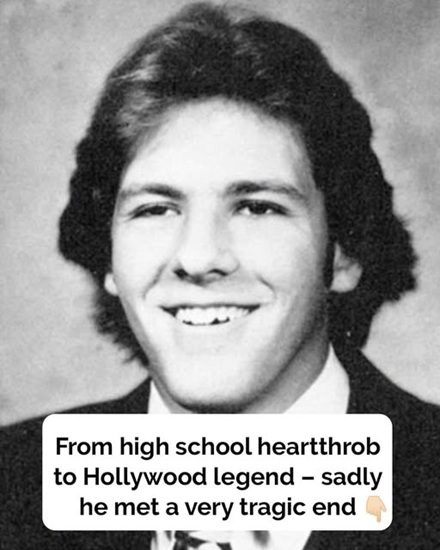
James Gandolfini is widely regarded as one of the most influential television actors of his generation, best remembered for his powerful and emotionally complex portrayal of Tony Soprano in HBO’s The Sopranos series.
Born on September 18, 1961, in Westwood, New Jersey, Gandolfini was raised in a working-class Italian-American household that valued education, respect, and community, shaping his grounded personality from an early age.
His father worked in school maintenance at a Catholic institution, while his mother was employed as a school cafeteria worker, giving him a modest upbringing rooted in everyday American life and discipline.

Growing up in New Jersey, Gandolfini experienced a typical suburban childhood, where he developed friendships, attended public schools, and participated in activities that encouraged social confidence and communication skills.
From an early age, he was known for his friendly nature and approachable personality, often described by peers as someone who could easily connect with different groups of people in school.
During his teenage years, Gandolfini attended Park Ridge High School, where he became socially popular and well-liked, standing out not only for his height but also for his calm and confident presence.
He was recognized in school circles as a charismatic student, participating in extracurricular activities and gradually showing interest in performance and storytelling through school-based creative programs.
In his senior year of high school, he was noted for his popularity among classmates, with many remembering him as a humorous and engaging figure who brought energy to social environments.
After graduating in 1979, Gandolfini pursued higher education at Rutgers University, where he studied communications and began exploring acting more seriously through campus theater involvement.

At Rutgers, he gained early exposure to acting techniques, stage performance, and character study, which helped him understand emotional expression and narrative development in performance art.
Although he had not yet committed fully to acting as a career, his time in college played a significant role in shaping his creative direction and professional ambitions.
Following his graduation, Gandolfini moved to New York City, where he initially worked in various jobs while attending acting classes to refine his skills and gain industry experience.
Life in New York exposed him to a competitive acting environment, where he balanced financial survival with auditions, training sessions, and small performance opportunities in theater productions.
His early career included stage work, where he developed a reputation for intense, grounded performances that reflected emotional realism and physical authenticity in character portrayal.
These theatrical experiences helped him build a strong foundation in acting, allowing him to transition into film roles during the early 1990s with growing recognition.

He began appearing in supporting roles in films, often portraying tough or morally complex characters that matched his strong physical presence and natural intensity on screen.
Movies such as True Romance and Crimson Tide helped establish his reputation as a reliable character actor capable of delivering emotionally charged and believable performances.
During this period, Gandolfini was steadily building a career in Hollywood, though he had not yet achieved widespread fame or leading-man recognition in mainstream media.
His breakthrough came in 1999 when he was cast as Tony Soprano in HBO’s The Sopranos, a role that would fundamentally transform his career and television history.
Tony Soprano was a deeply layered character, a New Jersey mob boss balancing criminal leadership with personal struggles involving family, mental health, and emotional vulnerability.
Gandolfini’s performance brought unprecedented depth to the role, portraying a character who was both intimidating and deeply human, often within the same scene.
The series quickly gained critical acclaim for its storytelling, realism, and psychological complexity, redefining the standards of modern television drama worldwide.
His portrayal earned him multiple awards, including several Emmy Awards for Outstanding Lead Actor in a Drama Series, solidifying his place in entertainment history.

Beyond awards, his performance influenced a new generation of television writing, especially the development of morally ambiguous protagonists in serialized storytelling formats.
Despite his fame, Gandolfini was known for maintaining a private lifestyle, often avoiding Hollywood publicity and focusing instead on his craft and personal relationships.
He frequently expressed humility regarding his success, acknowledging that his career was built on collaboration, strong writing, and the dedication of the entire production team.
Colleagues described him as generous and approachable on set, often supporting fellow actors and contributing to a respectful and professional working environment.
Outside of acting, Gandolfini was a devoted father, with his personal life including two marriages and two children, whom he cared for deeply throughout his career.
He balanced his professional commitments with family responsibilities, often prioritizing time with his children despite demanding filming schedules and international travel requirements.
Throughout his career, he was open about experiencing emotional challenges, particularly related to the intensity of portraying a psychologically complex character over many years.
He often noted that playing Tony Soprano required emotional resilience, as the role involved exploring themes of violence, anxiety, and internal conflict on a regular basis.
Even after The Sopranos concluded in 2007, Gandolfini continued working in film and television, taking on diverse roles that demonstrated his versatility beyond television drama.
His later projects included appearances in films such as The Taking of Pelham 123 and Zero Dark Thirty, where he continued to earn critical respect.
He also participated in producing and supporting smaller projects, showing interest in storytelling beyond acting and contributing to the development of quality film and television content.
Gandolfini’s ability to portray emotional vulnerability alongside physical strength made him one of the most respected actors in both film and television industries.
His sudden death on June 19, 2013, in Rome, Italy, at the age of 51, was caused by a heart attack and shocked fans around the world.
At the time of his passing, he was traveling with his family, and his death was widely reported as a major loss to the entertainment community.
Tributes from fellow actors, directors, and fans highlighted his talent, humility, and the lasting impact he made on modern television storytelling.
Following his death, The Sopranos continued to be celebrated as one of the most important television series in history, largely due to his central performance.
His son, Michael Gandolfini, later continued his legacy by portraying a young Tony Soprano in the 2021 prequel film The Many Saints of Newark.
Michael has spoken about the emotional responsibility of playing the role, emphasizing the personal connection to his father’s iconic performance and cultural legacy.
Critics and audiences noted the symbolic significance of the casting, as it connected two generations through one of television’s most iconic characters.
James Gandolfini is remembered not only for his role as Tony Soprano but also for his authenticity, emotional depth, and contribution to redefining modern television drama.
His legacy continues to influence actors, writers, and filmmakers, ensuring that his work remains relevant and respected in contemporary entertainment culture.

