
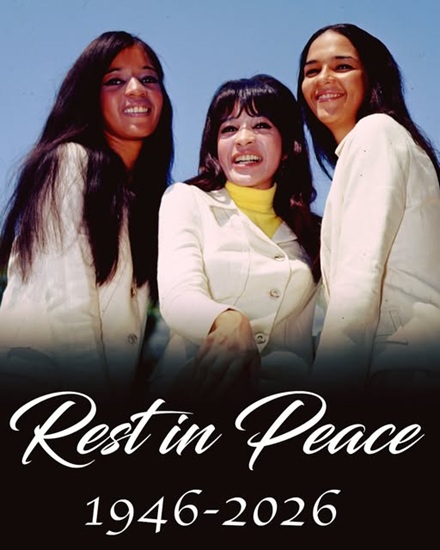
Nedra Talley Ross is widely recognized as a key member of the influential American girl group The Ronettes, which rose to fame in the early 1960s. Alongside Ronnie Spector and Estelle Bennett, she helped shape one of the most distinctive vocal sounds of the era. The group became known for their emotional harmonies and strong stage presence during a transformative period in pop music history. Their rise coincided with a time when female vocal groups were gaining major commercial and cultural influence.
The Ronettes quickly became one of the defining voices of their generation. Their collaboration with producer Phil Spector played a major role in shaping their signature sound. Through his “Wall of Sound” production technique, their music gained a rich, layered quality that stood out in the 1960s music landscape. Songs like Be My Baby, Walking in the Rain, and Baby, I Love You became timeless classics. These recordings remain widely celebrated for their emotional depth and innovative production.
Even today, they are frequently used in films, commercials, and modern media. Beyond the music itself, The Ronettes also became cultural icons of their time. Their style, hairstyles, and fashion choices influenced trends across the United States and beyond. They represented a new image of young women in pop culture—confident, expressive, and central to the performance. This visual identity became just as important as their sound. As a result, they are often referenced in discussions about the evolution of female representation in music.
Despite their success, the journey of The Ronettes was not without challenges. Like many groups of their era, they faced industry pressures, management disputes, and changing musical trends. Over time, the group eventually disbanded, and each member moved in different directions. Nedra Talley Ross gradually stepped away from the spotlight, choosing a more private life after years of public attention. This transition marked a shift from global recognition to personal focus.
After her music career, Nedra Talley Ross explored different paths outside of the entertainment industry. She dedicated time to family life and later worked in fields unrelated to music. At one point, she also pursued Christian music, reflecting a personal and creative shift. These choices demonstrated her desire to build a life beyond fame and performance. Her journey reflects how many artists transition into quieter roles after early success.
In 2007, Rock and Roll Hall of Fame officially inducted The Ronettes, recognizing their lasting contribution to music history. This moment served as an important acknowledgment of their influence on popular culture. For Nedra Talley Ross and her fellow members, it confirmed the enduring value of their work decades after their original recordings. The honor placed them among the most important vocal groups in rock and roll history. It also introduced their legacy to new generations of listeners.
The music of The Ronettes continues to remain relevant in modern times. Their songs are frequently revisited by artists, producers, and fans who admire the emotional style and production techniques. The group’s influence can be heard in many later pop and R&B artists. Their sound helped lay the foundation for modern girl groups and vocal harmony-based pop acts. This lasting impact demonstrates the strength of their artistic contribution.
Nedra Talley Ross’s role within the group is often described as essential, even if sometimes less publicly highlighted than the lead vocals. Her harmonies contributed to the depth and balance that defined The Ronettes’ signature sound. Each member brought something unique to the group’s identity. Together, they created a unified style that became instantly recognizable. Without that balance, their music would not have achieved the same impact.
Over time, public attention shifted more toward Ronnie Spector as a solo performer and cultural figure. However, the collective identity of The Ronettes remains central to their legacy. Nedra Talley Ross’s contribution is an important part of that shared history. Her work helped shape songs that continue to resonate across generations. The group’s recordings remain some of the most celebrated examples of early 1960s pop music.
In later years, interest in The Ronettes has continued through documentaries, retrospectives, and renewed appreciation of their catalog. Their influence is often discussed in studies of music history and production innovation. Many modern artists cite them as inspirations for vocal arrangement and style. Their impact is not limited to nostalgia but remains active in shaping contemporary music culture. This demonstrates the long-term significance of their work.
Nedra Talley Ross’s life reflects both the experience of early fame and the choice of later privacy. While some artists remain continuously in the public eye, she chose a quieter path after her time with the group. This balance between visibility and personal life is part of her broader story. It shows how artists can evolve beyond their early public identity. Her legacy is therefore both musical and personal.
Today, The Ronettes are remembered as one of the defining girl groups of the 20th century. Their influence continues to appear in music, fashion, and cultural discussions. Songs like Be My Baby are still considered milestones in pop music production. These works have stood the test of time and remain widely respected. The group’s contributions continue to be studied and appreciated worldwide.
Nedra Talley Ross remains an important part of that history. Her voice, her presence, and her role in shaping The Ronettes all contribute to a legacy that continues to endure. While public attention may shift over time, the music itself remains permanent. It continues to reach listeners who discover it for the first time today. That ongoing relevance is a testament to the strength of the group’s artistry.
Ultimately, the story of Nedra Talley Ross is tied to a larger musical movement that helped define an era. Through collaboration, innovation, and performance, she helped create something that outlived its original moment. The Ronettes’ music remains a cultural reference point more than half a century later. Their legacy is preserved not only in records but in the ongoing influence they have on music creation. That lasting presence is perhaps their greatest achievement.
