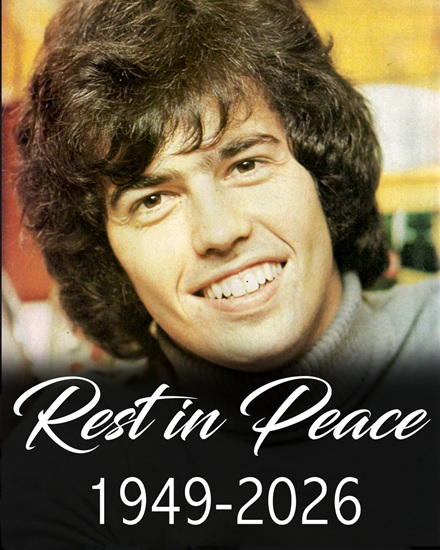
Alan Osmond, the eldest brother of the famous American family group The Osmonds, has died at the age of 76. His passing marks the end of an important chapter in the history of one of the most influential family bands in modern music.
According to official statements released by the Osmond family and confirmed by multiple major media outlets, Alan passed away peacefully in Utah, surrounded by his wife Suzanne and their children.
His family emphasized that he was in a peaceful environment during his final moments.
Family representatives confirmed that Alan Osmond’s death was not unexpected, as he had been living with long-term health complications for many years. However, they did not publicly release a specific medical cause of death, respecting the family’s privacy.

Alan Osmond was born in 1949 and grew up in a large, musically gifted family in Utah. As the oldest performing sibling, he naturally became a guiding force, helping shape the direction, discipline, and structure of the early Osmond musical journey.
From a very young age, Alan performed alongside his brothers Wayne, Merrill, and Jay, forming the foundation of what would eventually become The Osmonds.
Their early performances were rooted in barbershop harmonies and church events.
As the group expanded, younger siblings Donny and Jimmy joined, and later Marie Osmond also became part of the family’s entertainment legacy.
Alan played a key leadership role in organizing rehearsals and ensuring musical consistency across all performances.
The Osmonds gained national attention after appearing on The Andy Williams Show, which became a major turning point in their career.
This exposure helped transform them from a local family act into international music stars.

During the 1970s, The Osmonds reached global fame, performing in sold-out arenas and releasing hit songs that dominated pop charts. Alan was deeply involved in the group’s structure, planning, and musical arrangements.
One of their most recognizable creative achievements came with songs like “One Bad Apple” and “Crazy Horses,” which showcased their ability to move beyond traditional pop and experiment with rock-influenced sounds.
Alan Osmond was widely respected for his discipline and perfectionist approach. The group became known as the “One Take Osmonds” because of their ability to perform songs flawlessly in minimal recording attempts.
Throughout their career, Alan contributed not only as a performer but also as a behind-the-scenes leader. He helped coordinate schedules, organize tours, and maintain the professional standards that defined The Osmonds.
In addition to his music career, Alan served in the California Army National Guard at Fort Ord. His time in military service reflected his strong sense of duty, discipline, and commitment beyond the entertainment industry.
In 1974, Alan married Suzanne Pinegar, and together they built a large family with eight sons. Family life remained a central focus throughout his life, even during the peak of his international fame.

Alan Osmond was also a devoted member of The Church of Jesus Christ of Latter-day Saints, and his faith played a significant role in shaping his values, decisions, and approach to life challenges.
In 1987, he was diagnosed with multiple sclerosis (MS), a chronic neurological condition that gradually affects mobility and nerve function. Despite the diagnosis, he continued to remain active in family and musical circles for many years.
Over time, MS impacted his ability to perform on stage, leading him to step back from touring and public performances. Even so, he remained an important symbolic figure within The Osmonds and their legacy.
In his later years, Alan focused more on family life, personal faith, and occasional public appearances. He was often described by those close to him as a quiet leader, deeply respected by his children and siblings.

The Osmond family’s statement following his death highlighted his role not only as a musician but also as a father, husband, and mentor. They described him as a man of strength, humility, and lasting influence.
Alan Osmond leaves behind a large family including his wife, eight sons, numerous grandchildren, and great-grandchildren. His legacy continues through generations both within his family and through his music.
His contributions to The Osmonds remain significant in the history of American pop and family entertainment. His work helped define a unique era of television variety shows and family-based musical performance.
Alan Osmond will be remembered as a foundational figure in one of the most successful family music groups in history. His influence continues through timeless songs, performances, and the enduring popularity of the Osmond family name.