
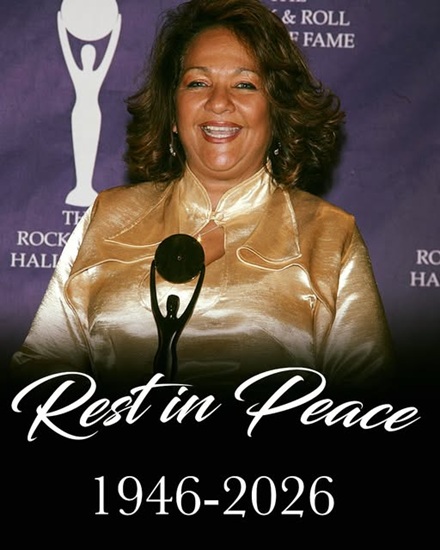
Nedra Talley Ross, a founding member of the influential 1960s girl group The Ronettes, has died at the age of 80. Her passing was confirmed by her family, who shared that she died peacefully at her home surrounded by loved ones. The announcement was made through a statement from her daughter, who emphasized that she was at peace and in the presence of family. Her death marks the passing of the final surviving original member of the iconic trio. Fans, musicians, and historians have reflected on her life and lasting contribution to music.
Her role in shaping early pop music remains widely recognized. Born on January 27, 1946, Nedra Talley Ross came from a culturally diverse background that included Black, Native American, Irish, and Puerto Rican heritage. This diverse identity contributed to her unique presence as a performer during a transformative era in American music.
She later married Scott Ross, a former disc jockey who went on to work as an interviewer for the Christian Broadcasting Network’s program The 700 Club. Together, they built a family and raised four children. After stepping away from mainstream music, she focused on family life and personal faith. Her journey reflected both public success and private devotion.
Nedra Talley Ross was best known as one of the original members of The Ronettes, which she formed alongside her cousins Ronnie Spector and Estelle Bennett. The group became one of the most recognizable female vocal acts of the 1960s. They were known for their powerful harmonies, emotional delivery, and distinctive style that influenced the image of girl groups for decades. Their signature look and sound helped define a generation of pop music. They played a key role in breaking barriers for female artists in the industry. Their influence continues to be felt in modern music.

The Ronettes rose to international fame in the early 1960s with a series of successful songs that became timeless classics. Their most famous track, “Be My Baby,” is widely regarded as one of the greatest pop songs ever recorded. Other notable hits included “Walking in the Rain” and “Baby, I Love You,” which further established their success. Their music combined emotional vocals with innovative production techniques that stood out at the time. These songs remain widely played in films, radio, and popular culture today. Their work helped define the sound of the 1960s pop era.
A major factor in their success was their collaboration with producer Phil Spector, who developed the famous “Wall of Sound” production style. This technique created a dense, layered musical arrangement that gave their recordings a powerful and distinctive quality. Spector recognized the group’s talent early and helped shape their signature sound. The collaboration resulted in recordings that became highly influential in music production history. Their work together remains an important part of 1960s music innovation. It also contributed significantly to the group’s global recognition.
Despite releasing only one official studio album, The Ronettes had a major cultural impact that extended far beyond record sales. The group toured with some of the biggest acts of the era, including The Beatles and The Rolling Stones. These tours helped introduce their music to international audiences and solidified their place in pop music history. Their performances were known for their energy, style, and emotional connection with audiences. Even with a limited discography, their influence remained strong for decades. They became symbols of the golden age of girl groups.

The group officially disbanded in 1967, marking the end of their active years together. Following this, Nedra Talley Ross stepped away from the mainstream music industry. She later explained in interviews that the demands of the entertainment world and a desire for a more peaceful life influenced her decision. She expressed that the industry environment was often intense and difficult to navigate. After leaving the spotlight, she shifted her focus toward faith and personal growth. In 1978, she released a Christian music album and later worked in real estate.
In 2007, The Ronettes were inducted into the Rock and Roll Hall of Fame, a recognition of their lasting influence on music history. Nedra Talley Ross attended the ceremony and described the experience as deeply emotional. She reflected on the honor as a moment of validation after years of challenges in the music industry. The induction highlighted their role as pioneers in shaping pop and girl group music. It also introduced their legacy to younger generations of listeners. The honor remains one of the group’s most significant achievements.
Following her passing, tributes highlighted her artistic contributions and personal legacy. Official statements from family and representatives described her as a source of warmth, strength, and inspiration. The official social media channels associated with The Ronettes also paid tribute, recognizing her voice and role in shaping the group’s identity. Fans around the world shared messages of remembrance and appreciation for her work. Her influence continues to be celebrated in music history discussions. Many noted her importance in shaping the sound of 1960s pop culture.
With the passing of Nedra Talley Ross, the final chapter of the original The Ronettes has now closed, following the earlier deaths of Ronnie Spector in 2022 and Estelle Bennett in 2009. Although the group no longer exists in its original form, their music continues to live on through recordings and cultural influence. Songs like “Be My Baby” remain enduring classics that define an era of music history. Their legacy continues to inspire artists across genres and generations. Nedra Talley Ross’s contribution remains an essential part of that story. Her life stands as a lasting reminder of the impact of music, creativity, and artistic legacy.
