
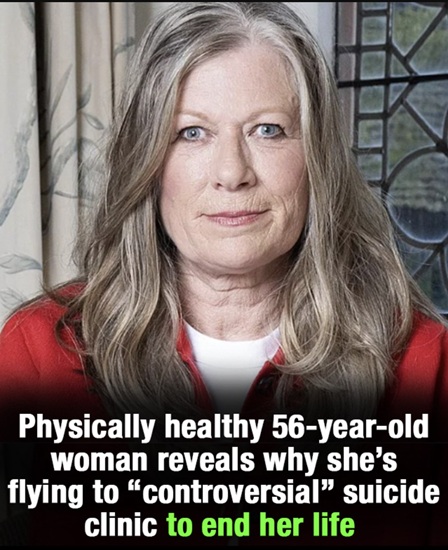
A 56-year-old woman from the United Kingdom, Wendy Duffy, has been the subject of recent media reports after deciding to travel to Switzerland for an assisted dying procedure. Her case has drawn public attention due to the circumstances behind her decision and the broader discussions it has raised about grief, mental health, and end-of-life choices. According to published interviews, her situation is closely linked to the long-term emotional impact of a family tragedy.
Wendy Duffy, a former care worker from the West Midlands, has explained in media interviews that her decision is not based on a terminal physical illness. Instead, she describes ongoing psychological suffering following the death of her only son, Marcus, who was 23 years old at the time of his passing. She has stated that this loss has had a lasting effect on her emotional well-being and overall outlook on life.
Reports indicate that Marcus died in 2019 after a sudden medical emergency involving choking while at home. Despite emergency response efforts and hospital treatment, he suffered severe oxygen deprivation, which led to significant brain injury. After several days in hospital under intensive care, life support was withdrawn. Wendy has described this period as the most traumatic experience of her life.
Following her son’s death, Wendy reportedly sought help through the United Kingdom’s mental health support systems, including counselling and prescribed antidepressant medication. She has said that she made several attempts to cope with her grief over time, including therapy sessions and support from family and friends. However, she has also described her grief as persistent and long-lasting.

Over time, Wendy began researching assisted dying options outside the United Kingdom. She eventually learned about legal assisted dying services available in Switzerland, where certain organisations operate under strict legal frameworks. One of these organisations is Pegasos Swiss Association, which provides end-of-life assistance under specific eligibility criteria regulated by Swiss law.
According to available reports, Wendy began the application process after reviewing information about assisted dying services in Switzerland. The process reportedly included submitting medical records, psychological history, and undergoing formal assessments. These evaluations are designed to ensure that applicants meet strict legal and medical requirements before any decision is made.
The assessment process described in reports typically involves multiple stages over an extended period of time. Applicants are required to demonstrate informed consent, decision-making capacity, and a consistent long-term request. In cases involving psychological suffering rather than terminal illness, evaluations are generally more detailed and involve careful review by professionals.
Wendy has stated in interviews that she reached her decision after a long period of reflection and attempts to manage her mental health. She has described her emotional state as one of ongoing grief and difficulty coping with daily life following her son’s death. According to her statements, she feels that her quality of life has not improved despite seeking professional support.
Her case has also highlighted differences in assisted dying laws between countries. In the United Kingdom, assisted dying remains illegal in most circumstances, particularly when there is no terminal physical illness involved. As a result, individuals who pursue assisted dying in Switzerland must do so independently, without direct assistance from family members in travel arrangements due to legal restrictions.

Reports also indicate that Wendy has communicated her decision to close family members, although she has not shared all logistical details of her planned procedure publicly. This is reportedly to avoid legal complications for relatives, as UK law can potentially investigate cases where assistance in arranging travel for assisted dying is suspected.
The public response to cases like Wendy Duffy’s is often complex, reflecting differing views on assisted dying, mental health, and personal autonomy. Some observers express sympathy for individuals experiencing long-term grief and psychological distress, while others raise ethical and legal concerns about assisted dying in non-terminal cases. These discussions continue to be part of ongoing debates in many countries.
It is important to note that assisted dying services in Switzerland operate under strict regulations and case-by-case assessments. Approval is not guaranteed and requires extensive documentation and evaluation. Organisations such as Pegasos Swiss Association follow legal protocols intended to ensure that every application is carefully reviewed before any procedure is approved.
Wendy has publicly stated that she has considered her decision over a long period of time and understands the emotional impact it may have on her family. She has described her choice as deeply personal and connected to her lived experience of grief following the loss of her son. Her statements reflect her belief that her quality of life has not recovered despite years of support and treatment attempts.
This case continues to contribute to broader conversations about how societies support individuals dealing with prolonged grief and psychological suffering. It also raises ongoing questions about mental health care access, bereavement support systems, and the legal boundaries of assisted dying in different countries.
