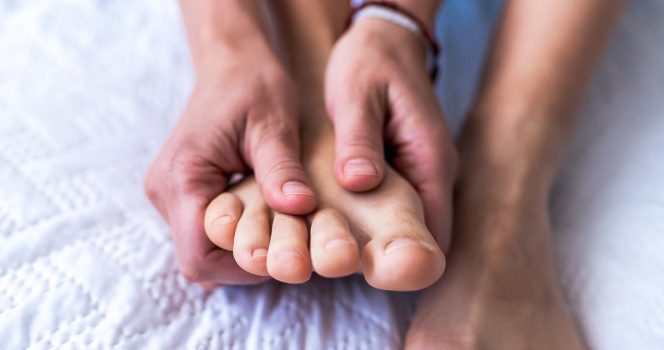
Hair is one of the most visible features of the human body. It serves a variety of functions, from protecting the skin to regulating body temperature, and it plays a crucial role in social, cultural, and aesthetic contexts. Most people are familiar with the hair on their heads, eyebrows, or facial areas, and many focus on styling, grooming, or even removing hair for personal reasons. However, there is one area that is often overlooked entirely: the toes.
Whether you choose to leave it natural or remove it, the presence—or absence—of hair on your toes can actually offer significant insights into your overall health. According to medical experts, hairless toes are more than just a cosmetic observation—they may serve as an early warning sign of metabolic issues, including insulin resistance, which can have far-reaching consequences for long-term health.
With the growth of online health resources, it has become easier than ever for individuals to educate themselves about symptoms and warning signs of various conditions. Most people look for signs of common illnesses like colds or flu, or even more serious health issues like heart disease and diabetes. Yet, the hair on your toes is rarely something considered in health assessments, despite its potential to reveal underlying problems that could otherwise go unnoticed.
Why Hair on Toes Matters
Human hair grows in varying amounts and densities across different regions of the body. Some individuals have naturally thicker or more abundant hair, while others have finer or less noticeable growth. Toe hair, in particular, is often subtle and easily overlooked. However, a decrease or complete loss of hair on the toes can be a signal that the body is experiencing metabolic stress, which may stem from long-term elevated insulin levels.
Medical professionals highlight that hair loss in the lower extremities can often serve as a warning sign for broader systemic health issues. Dr. Boz, a recognized health expert, explains:
“As patients age, especially those around 55 and older, we frequently observe that the hair on their toes has disappeared. Many of these individuals have experienced elevated insulin levels for decades. Over time, the body starts to prioritize essential functions and organs, reducing resource allocation to less vital areas, such as the toes. Hair follicles in these regions may stop receiving the nutrients and blood flow required for normal growth.”
This process of resource prioritization is the body’s response to chronic metabolic strain. Essentially, the loss of hair in areas like the toes is a visible sign that your body may be redirecting energy and nutrients away from peripheral regions to preserve core functions.
The Link Between Hair Loss and Insulin Resistance
Insulin resistance is a condition in which the body’s cells do not respond effectively to insulin, a hormone critical for regulating blood sugar levels. To compensate, the pancreas produces more insulin, which over time can result in chronically high insulin levels—a condition known as hyperinsulinemia. This can cause a cascade of metabolic problems, including:
- Type 2 Diabetes: Prolonged insulin resistance can impair glucose metabolism, leading to elevated blood sugar levels and eventually diabetes.
- Cardiovascular Disease: High insulin and glucose levels contribute to arterial inflammation, plaque formation, and elevated cholesterol, increasing the risk of heart attacks and strokes.
- Obesity and Fat Accumulation: Insulin promotes fat storage, particularly around the abdomen, which can exacerbate metabolic dysfunction.
- Neuropathy and Poor Circulation: Reduced blood flow and nerve health may lead to tingling, numbness, and even hair loss in extremities like the toes.
Hair loss in the toes and lower legs is often an early, subtle manifestation of these metabolic changes. Dr. Boz describes the pattern:
“Hair follicles in the toes are often among the first to show signs of stress. Hair loss usually starts in the toes, progresses to the ankles, moves up to the knees, and can eventually affect the entire lower leg. This progression mirrors how chronic insulin resistance impacts circulation and nutrient distribution in the body.”
By observing these changes, individuals can potentially identify metabolic issues long before they develop more severe complications.
Other Signs of Insulin Resistance to Watch For
While hair loss on the toes can be an early warning sign, it is often accompanied by other indicators, such as skin tags. Skin tags are small, soft growths that typically appear in areas where skin folds or rubs against itself, such as the neck, armpits, and groin. Unlike moles, which are flat or slightly raised, skin tags have a small stalk and resemble tiny mushrooms.
Dr. Boz explains:
“Skin tags are harmless, but they are often associated with elevated insulin levels. Many patients try to remove them themselves, which can lead to bleeding or infection. The most effective approach is to address the underlying metabolic imbalance, which may prevent further development of skin tags and sometimes even reduce existing ones.”
Interestingly, insulin resistance may cause skin tags to appear in clusters, creating what Dr. Boz humorously describes as:
“A crop of tiny, soft cauliflowers appearing in the armpits or other areas. While they are not dangerous, their presence is often a visible sign of metabolic changes in the body.”
Other subtle signs that may accompany hair loss and skin tags include:
- Increased fatigue and low energy
- Difficulty losing weight despite healthy habits
- Darkened patches of skin (acanthosis nigricans) around the neck or armpits
- Mild swelling or tingling in the extremities due to impaired circulation
Why Early Detection Matters
Identifying early signs of insulin resistance, such as hairless toes and skin tags, is critical because metabolic imbalances often develop gradually and silently. Left unchecked, these conditions can progress into serious health complications, including diabetes, heart disease, kidney problems, and neuropathy.
By paying attention to these subtle signs, individuals can take proactive steps to protect their health. Lifestyle interventions are particularly effective and include:
- Balanced Nutrition: Reducing refined carbohydrates and sugars while focusing on high-fiber foods, lean proteins, and healthy fats.
- Regular Physical Activity: Exercise helps improve insulin sensitivity, promotes circulation, and supports overall metabolic health.
- Weight Management: Maintaining a healthy weight can significantly reduce insulin resistance and related complications.
- Monitoring Blood Sugar Levels: Regular testing allows for early detection of abnormal glucose and insulin patterns.
When to Consult a Healthcare Provider
If you notice hair loss on your toes, ankles, or lower legs, or if you have multiple skin tags, it is advisable to consult a healthcare professional. Blood tests can provide crucial information, including:
- Fasting Glucose: Measures blood sugar levels after a period without food.
- HbA1c (Glycated Hemoglobin): Reflects average blood sugar levels over the past 2–3 months.
- Insulin Levels: Provides insight into pancreatic function and insulin resistance.
- Lipid Profile: Evaluates cholesterol and triglyceride levels, which are affected by metabolic health.
Early detection enables timely interventions, which can significantly reduce the risk of serious complications and improve overall quality of life.
Beyond Metabolic Health: Circulation and Nerve Considerations
Hair loss on the toes may also reflect issues related to circulation or nerve health. Peripheral circulation can be compromised in conditions like peripheral artery disease (PAD) or diabetic neuropathy, which can impair nutrient delivery to hair follicles. Reduced blood flow to the lower extremities means that hair follicles may not receive the oxygen, vitamins, and minerals required for healthy growth.
Similarly, nerve damage associated with diabetes can affect hair growth. Nerves and blood vessels work together to maintain healthy skin and hair, and impairment in either system may contribute to thinning or loss of hair on the toes and feet.
The Takeaway
Hairless toes are more than a cosmetic curiosity—they can serve as a meaningful window into your body’s metabolic and circulatory health. Alongside skin tags and other subtle indicators, changes in hair growth may help identify insulin resistance or other underlying health concerns before they progress to more serious conditions.
Paying attention to these small but significant signals, combined with proactive lifestyle management, regular exercise, balanced nutrition, and routine medical checkups, can make a substantial difference in long-term health outcomes.
Next time you look down at your feet, consider more than just nail care or aesthetics. Your toes may be quietly communicating important information about your overall well-being, and recognizing these signs could be the first step toward preventing future health issues.
