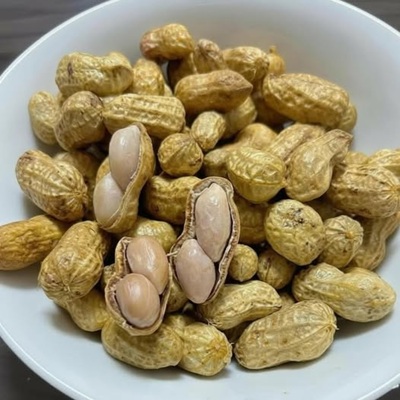
The Ultimate Guide to Peanuts: Nutrition, Culture, Health Benefits, and Culinary Uses
For countless people around the globe, peanuts are far more than a simple snack—they are a culturally significant, nutritionally dense, and remarkably versatile food that has been cherished for thousands of years. From festive celebrations in Brazil to bustling street markets in Africa, and from traditional dishes in Southeast Asia to modern culinary creations worldwide, peanuts occupy a unique place in human cuisine. Their appeal is not limited to taste alone; peanuts carry with them memories, traditions, and shared experiences that have been passed down through generations, creating a connection that transcends borders and cultures.
Across continents, peanuts are used in countless ways that demonstrate their versatility and cultural importance. In Brazil, for example, peanuts are central to sweets like paçoca and pé-de-moleque, which are commonly enjoyed during holidays, family gatherings, and community events. These treats are more than just delicious; they are a symbol of heritage and nostalgia, connecting people to their past and celebrating the flavors of tradition. In many parts of Africa, peanuts are boiled, roasted, or ground into pastes that enrich soups, stews, and snacks.
In West Africa, for instance, peanut soup, also known as groundnut stew, is a staple dish served in homes, markets, and restaurants alike, highlighting the legume’s essential role in everyday meals. Similarly, in Southeast Asia, peanut-based sauces are a signature component of dishes like satay, noodle salads, and stir-fries, showcasing the legume’s adaptability in both sweet and savory preparations. Across these diverse regions, peanuts function not just as food, but as a bridge that fosters community, shared experiences, and culinary creativity.
Cultural and Historical Significance of Peanuts
Peanuts have a rich and fascinating history that dates back thousands of years. Native to South America, they were cultivated by indigenous peoples more than 3,500 years ago. Early societies valued peanuts not only for their nutritional benefits but also for their ritualistic and medicinal uses. Through centuries of trade, migration, and exploration, peanuts made their way to Africa, Asia, and eventually North America, becoming integrated into local cuisines and agricultural systems around the world.
In West Africa, groundnut-based dishes such as peanut soup, peanut stew, and various sauces have been passed down through generations, with each region adding its unique flavors, ingredients, and preparation techniques. In India and Indonesia, peanuts enhance curries, chutneys, snacks, and street foods, adding texture and flavor to everyday meals.
In the United States, peanuts became a key component of Southern cuisine and inspired innovative products such as peanut butter, which by the 20th century had become a household staple. The global journey of peanuts demonstrates their adaptability, cultural significance, and ability to transcend geographic boundaries, cementing their status as a truly international ingredient.
Peanuts have also played a role in economic and agricultural development. As a legume, they are a source of income for farmers and are cultivated in regions with varied climates. Their resilience and relatively low maintenance requirements make them a practical crop, while their versatility ensures that they are incorporated into both traditional and modern culinary practices. The historical and cultural prominence of peanuts highlights their enduring importance in human life, from sustenance and nutrition to tradition and commerce.
Nutritional Profile of Peanuts
Despite being botanically classified as legumes, peanuts closely resemble tree nuts in terms of their nutrient composition. They are a powerhouse of plant-based protein, healthy fats, dietary fiber, vitamins, and minerals. A single 1-ounce (28-gram) serving of peanuts provides approximately 7 grams of protein, 2.5 grams of fiber, and a combination of monounsaturated and polyunsaturated fats, which are beneficial for heart health when consumed as part of a balanced diet.
Fats and Heart Health
The monounsaturated and polyunsaturated fats in peanuts help maintain healthy cholesterol levels, support hormone production, and facilitate the absorption of fat-soluble vitamins. Regular consumption of peanuts is associated with a reduced risk of cardiovascular disease, especially when included in a diet rich in fruits, vegetables, whole grains, and lean proteins. These healthy fats provide energy, support brain function, and help reduce inflammation in the body.
Vitamins
Peanuts are an excellent source of vitamin E, a powerful antioxidant that protects cells from oxidative stress and supports skin, eye, and heart health. They are also rich in B-complex vitamins, including niacin, folate, thiamine, and riboflavin, which play essential roles in energy metabolism, cognitive function, and overall neurological health. Niacin, for example, contributes to maintaining healthy cholesterol levels, while folate is essential for DNA synthesis and cell repair. B vitamins in peanuts help the body convert food into energy efficiently, supporting metabolism and optimal organ function.
Minerals
Essential minerals such as magnesium, phosphorus, potassium, and iron make peanuts an important contributor to bone health, oxygen transport, and overall metabolic processes. Magnesium participates in hundreds of enzymatic reactions in the body, including energy production, nerve function, and muscle contraction. Iron is vital for red blood cell formation and preventing anemia, while phosphorus supports the formation of bones and teeth. Potassium contributes to healthy blood pressure regulation, making peanuts a valuable addition to a heart-healthy diet.
Bioactive Compounds
Peanuts contain polyphenols, flavonoids, and resveratrol, compounds with antioxidant and anti-inflammatory properties. These bioactive substances may support cardiovascular health, reduce inflammation, and protect cells against oxidative damage. Emerging research suggests that these compounds may also enhance feelings of fullness and aid in appetite control, making peanuts a practical choice for weight management.
Peanuts and Satiety
One of the reasons peanuts are highly valued as a snack is their ability to promote satiety. The combination of protein, healthy fats, and dietary fiber slows digestion, helping to maintain a sense of fullness for longer periods. This property can support balanced eating patterns and moderate overall calorie intake, which may assist individuals in managing their weight or sustaining steady energy levels throughout the day.
Additionally, some studies indicate that consuming peanuts alongside carbohydrate-rich meals may slow the absorption of sugars into the bloodstream, contributing to more stable blood sugar levels. While peanuts are not a cure for diabetes or blood sugar disorders, incorporating them into a balanced diet may have supportive effects on energy regulation and glycemic control.
Potential Health Considerations
While peanuts provide numerous health benefits, moderation is key. They are calorie-dense, and overconsumption can lead to weight gain if total caloric intake is not monitored. Most adults benefit from a modest serving—roughly 28 grams (1 ounce) per day—which offers significant nutritional advantages without contributing excessive calories.
Allergies
Peanut allergy is one of the most common and potentially serious food allergies worldwide. Reactions can range from mild symptoms, such as itching and hives, to severe anaphylaxis, which requires immediate medical attention. Individuals with known peanut allergies must strictly avoid peanuts and any products containing them, including processed foods, snacks, and sauces.
Digestive Sensitivities
Peanuts contain purines, which can elevate uric acid levels in susceptible individuals. People with gout or certain kidney conditions should consult a healthcare professional before consuming peanuts regularly. Those with digestive issues, such as irritable bowel syndrome (IBS), may need to monitor portion sizes to prevent discomfort or bloating.
Choosing and Storing Peanuts
Proper storage and preparation of peanuts significantly impact their safety, flavor, and nutritional value. Fresh, well-stored peanuts retain their nutrients and taste, while exposure to heat, moisture, or prolonged storage can lead to off-flavors or the development of harmful compounds like aflatoxins, which are produced by certain molds. To ensure quality and safety:
- Purchase peanuts from trusted sources.
- Store shelled or roasted peanuts in airtight containers.
- Keep them in a cool, dry place, away from direct sunlight.
- Check regularly for signs of mold, discoloration, or rancidity.
Roasted peanuts should be kept sealed and consumed within a few weeks for optimal flavor and crispness, while unshelled peanuts can last longer due to the protective shell.
Culinary Uses and Versatility
Peanuts are incredibly versatile and can be incorporated into both sweet and savory dishes. They can be eaten raw, roasted, boiled, or ground into pastes. Some common culinary applications include:
- Peanut Butter: Used as a spread, in sauces, baking, or desserts.
- Sauces and Pastes: Ground peanuts are a key ingredient in African and Asian cuisines, enriching soups, stews, and sauces such as satay sauce.
- Snacks: Roasted peanuts can be seasoned with spices, salt, or chocolate for nutrient-rich, flavorful snacks.
- Salads and Stir-Fries: Peanuts add crunch, protein, and flavor to vegetable dishes, stir-fries, and grain bowls.
- Desserts: Used in cookies, cakes, brittle, and traditional sweets, peanuts contribute both texture and richness.
Their culinary flexibility makes peanuts suitable for home cooks, professional chefs, and busy individuals seeking convenient, nutritious meals.
Peanuts and Sustainable Eating
From an environmental perspective, peanuts offer several advantages compared to many other protein sources:
- Nitrogen Fixation: As legumes, peanuts improve soil fertility by fixing nitrogen, reducing the need for synthetic fertilizers.
- Water Efficiency: Peanuts generally require less water than tree nuts like almonds or cashews, making them a sustainable choice for water-conscious agriculture.
- Low Environmental Footprint: Cultivating peanuts generates relatively lower greenhouse gas emissions compared to many animal-based proteins.
For environmentally conscious consumers, peanuts provide a nutrient-dense, sustainable protein source that aligns with both health and ecological goals.
Long-Term Health Benefits of Peanuts
Incorporating peanuts into a balanced diet may support a wide range of health outcomes:
- Heart Health: Regular, moderate consumption improves cholesterol levels and reduces the risk of cardiovascular disease.
- Cognitive Function: B vitamins and antioxidants support brain function and may reduce age-related cognitive decline.
- Weight Management: By promoting satiety, peanuts can help control appetite and assist in maintaining a healthy weight.
- Bone Strength: Minerals like magnesium and phosphorus contribute to strong bones and teeth.
- Digestive Health: Fiber content supports gut health and regular bowel movements.
When consumed thoughtfully as part of a diverse diet, peanuts are a reliable, nutritious food for overall wellness.
Conclusion
Peanuts are far more than a simple snack—they are culturally significant, nutritionally dense, and extraordinarily versatile. From traditional recipes to modern culinary innovations, peanuts provide protein, fiber, healthy fats, vitamins, minerals, and bioactive compounds that support overall health. They offer cultural connection, culinary flexibility, and a relatively low environmental impact, making them an ideal ingredient for mindful eating.
By consuming peanuts in moderation, storing them properly, and incorporating them into a balanced, varied diet, individuals can enjoy their delicious flavor while gaining numerous health benefits. Whether eaten as a quick snack, added to meals, or used in sauces and desserts, peanuts remain a globally beloved food that bridges taste, nutrition, and cultural heritage, connecting people across generations and continents.
