
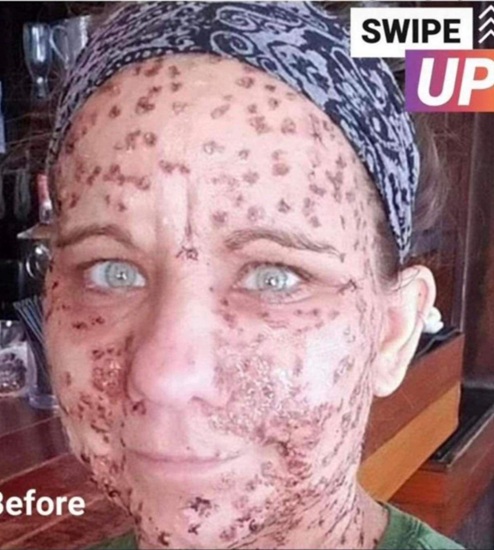
Libby Huffer, a 45-year-old woman, has spent much of her life navigating the physical and emotional challenges of a rare genetic condition known as Neurofibromatosis Type 1. This lifelong disorder affects the growth of nerve tissue and can cause tumors to develop throughout the body.
Neurofibromatosis Type 1, often abbreviated as NF1, is a genetic condition that affects approximately one in every 3,000 people worldwide. It is usually present at birth, although symptoms can become more noticeable as a person grows older.
The condition occurs because of a mutation in a gene responsible for regulating cell growth. When this gene does not function properly, cells around the nerves may grow uncontrollably, forming benign tumors known as neurofibromas.
Although these tumors are typically non-cancerous, they can vary greatly in size and number. Some people with NF1 develop only a few visible growths, while others experience hundreds or even thousands across their bodies.
For Libby, the condition has been part of her life for as long as she can remember. As a child, she began noticing small bumps on her skin that seemed different from the freckles and marks her classmates had.

Doctors eventually confirmed that these bumps were neurofibromas associated with Neurofibromatosis Type 1. At the time, her family learned that the condition could progress unpredictably over the years.
Some individuals with NF1 experience mild symptoms, while others develop more extensive physical changes. Unfortunately, Libby’s case would become one of the more severe examples of the disorder.
As she moved through childhood and into adolescence, the number of tumors gradually increased. What began as scattered bumps slowly multiplied, appearing on her arms, legs, back, and eventually her face.
Doctors explained that neurofibromas tend to grow along nerves beneath or within the skin. Because nerves exist throughout the body, tumors can appear almost anywhere.
In many cases, these growths remain small and painless. However, for some individuals they can become tender, irritated, or even painful depending on their location and size.
By the time Libby reached adulthood, the number of tumors covering her body had grown dramatically. Over time, she reported having more than 6,000 tumors spread across different areas.
Living with such a visible condition presented many social and emotional challenges. Unfortunately, people often judge what they do not understand, and Libby faced this reality from a very young age.
During her school years, classmates frequently noticed the bumps on her skin. Instead of asking questions with curiosity or kindness, some children reacted with cruelty.
Libby recalls that certain classmates teased her and called her hurtful names. Among the insults she heard were “toad” and “lizard breath,” words that left lasting emotional wounds.
Bullying can deeply affect a child’s self-esteem, and Libby was no exception. At times, the comments made her feel isolated from her peers and unsure about how others perceived her.
Despite these painful experiences, she tried to continue her education and participate in normal daily activities. Like many children, she wanted to belong and be accepted.
Support from family members played an important role in helping her cope during those years. Their encouragement reminded her that her condition did not define her value as a person.

Still, the emotional toll of living with a visible condition remained significant. Social situations could feel uncomfortable because strangers sometimes stared or asked insensitive questions.
People with NF1 often face misunderstanding because the disorder is not widely known. Without awareness, many individuals simply do not realize what the visible tumors represent medically.
For Libby, learning to manage these reactions became part of everyday life. Over time she developed resilience, even though the challenges did not disappear entirely.
As she grew older, she focused on building a life that went beyond the judgments she sometimes encountered. She formed friendships, pursued interests, and worked toward personal goals.
However, the physical aspects of Neurofibromatosis Type 1 continued to evolve. The tumors gradually increased in number as the years passed, covering more areas of her skin.
Although many neurofibromas remain harmless from a medical perspective, they can still create discomfort. In Libby’s case, some tumors caused persistent irritation or pain.
These sensations could vary from mild tenderness to more intense discomfort depending on pressure, movement, or even temperature changes. Daily routines sometimes required extra care to avoid aggravating the sensitive areas.
Another challenge associated with NF1 is the unpredictability of tumor growth. Doctors cannot always determine exactly how quickly neurofibromas will develop or how many may appear over time.
This uncertainty can make long-term planning difficult for people living with the disorder. Some individuals experience long periods of stability, while others see noticeable changes within a few years.
For Libby, the progression of her condition became especially noticeable during major life changes. One of the most significant of these came when she became pregnant.
Pregnancy brings dramatic hormonal changes to the body, and medical research has shown that these shifts can sometimes influence the growth of neurofibromas in individuals with NF1.
When Libby was expecting her child, she began noticing that new tumors were appearing more rapidly than before. Some existing growths also became larger or more pronounced.
After the birth of her daughter 23 years ago, the increase became even more noticeable. What had once been a manageable number of tumors had multiplied into the thousands.
Many appeared across her back, arms, legs, and face, creating additional physical discomfort as well as emotional strain. The sudden growth changed how she experienced everyday life.
Even simple movements sometimes caused irritation because clothing or physical contact could press against sensitive areas of her skin. Activities that others might consider routine occasionally required extra caution.
Libby explained that some of the tumors on her back produced chronic pain that lingered throughout the day. This discomfort could make tasks like sitting or lying down more difficult than expected.
In addition to the pain, she sometimes experienced unusual sensations in her feet. A constant tingling feeling caused by nerve involvement made it challenging to rest comfortably at night.
Sleep is essential for physical and emotional health, but restful nights were not always easy for her. The combination of nerve discomfort and pressure on the tumors sometimes interrupted her sleep.
Over time, these difficulties began affecting her energy levels during the day. Like many people dealing with chronic conditions, she had to find ways to balance rest, responsibilities, and personal well-being.
Despite the obstacles, Libby remained deeply committed to her role as a mother. Raising her daughter gave her motivation to continue facing the challenges associated with NF1.
She focused on creating a supportive home environment where her child could grow up feeling loved and encouraged. Her determination to provide stability became a powerful source of strength.
At the same time, Libby continued searching for ways to improve her own health and comfort. She began researching medical options that might help reduce the number of tumors.
Although there is currently no cure for Neurofibromatosis Type 1, certain treatments can help manage specific symptoms. In some cases, doctors may remove tumors that cause pain or significant cosmetic concerns.
However, removing large numbers of neurofibromas can be complicated and expensive. Many procedures must be performed carefully to avoid damaging nearby nerves.

As Libby explored potential treatments, she learned about several medical techniques used in dermatology and nerve-related conditions. One procedure in particular caught her attention.
The method was called electrodessication, a technique that uses controlled electrical energy to remove certain types of skin growths. Dermatological surgeons sometimes use this approach for small tumors on the surface of the skin.
The procedure can help reduce the appearance of neurofibromas and may also ease irritation caused by larger growths. However, the process often requires multiple treatments depending on how many tumors are present.
For someone with thousands of neurofibromas, the cost of treatment can quickly become overwhelming. Each surgical session involves specialized medical equipment and trained professionals.
When Libby received an estimate for the procedure, the total cost was approximately $23,500. For many families, that amount represents a significant financial challenge.
At first, the price made the possibility of surgery feel almost impossible. Like many individuals dealing with chronic medical conditions, she faced the reality that treatment options were limited by financial resources.
Yet Libby was determined not to give up on the possibility of improving her quality of life. She believed that reducing even a portion of the tumors could make a meaningful difference.
After careful thought, she decided to share her story publicly in hopes that people might understand what she had been living with for so many years.
Opening up about deeply personal experiences was not an easy decision. For much of her life, she had tried to avoid attention because of the reactions her appearance sometimes triggered.
However, telling her story also created an opportunity for awareness. Many people had never heard of Neurofibromatosis Type 1, and her experience could help them understand the condition better.
In 2016, Libby launched a fundraiser to help cover the cost of surgery. Through the campaign, she explained how the tumors affected her daily life and why the treatment was so important to her.
Her message focused not only on the physical pain but also on the emotional journey she had endured for decades. She described her hope of feeling more comfortable in her own skin.
As her story began circulating online, it reached individuals who were touched by her honesty and resilience. People from different places began learning about her condition and the challenges she faced.
Gradually, small contributions started adding up. Each donation represented someone who believed she deserved the chance to improve her quality of life.
For Libby, the growing support felt both surprising and encouraging. After years of feeling judged for her appearance, she was now seeing compassion from strangers who wanted to help.
Little by little, the fundraiser moved closer to its goal. The possibility of surgery, once distant, began to feel more real with each passing week.

Eventually, enough funds were raised to make the long-awaited procedure possible. The moment represented a turning point that Libby had hoped for but once feared might never come.
Preparing for surgery brought a mixture of emotions. There was excitement about the potential results, but also understandable nervousness about the procedure and recovery process.
Still, she remained hopeful that the operation would bring meaningful change to her life after decades of living with the physical and emotional effects of Neurofibromatosis Type 1.
The surgery would soon mark the beginning of a new chapter in her journey.
After years of living with the visible effects of Neurofibromatosis Type 1, the moment Libby Huffer had been hoping for was finally approaching. With the support she received through her fundraiser, she was able to prepare for the medical procedure that could change her life.
The months leading up to the surgery were filled with careful planning and medical consultations. Doctors needed to evaluate the number of tumors that could safely be removed during the procedure and determine the most effective approach.
Because Libby had thousands of neurofibromas across her body, surgeons knew it would be impossible to remove all of them in a single operation. Instead, they focused on treating the tumors that caused the most discomfort and were most visible.
Many of these growths were located on her face and upper body, areas where they were not only physically irritating but also more likely to draw attention from others in public settings.
The surgical technique selected for her treatment was electrodessication. This method is commonly used in dermatology to remove certain types of skin growths by using controlled electrical currents that destroy unwanted tissue.
During the procedure, surgeons carefully targeted individual tumors while protecting the surrounding skin. Precision was extremely important because the growths were located close to nerves and delicate tissue.
For Libby, the surgery represented more than just a medical intervention. It symbolized the possibility of reclaiming confidence after decades of living with a condition that had shaped her identity in challenging ways.
When the day of the procedure finally arrived, Libby understandably felt a mixture of hope and nervousness. Any surgery carries risks, but the potential benefits made the decision worthwhile in her eyes.
Medical teams prepared specialized equipment to perform the electrodessication treatment. The process involved removing tumor tissue while also cauterizing small blood vessels to reduce bleeding during the operation.
Because of the number of tumors being removed, the procedure required careful attention and time. Surgeons worked methodically to remove as many growths as safely possible in one session.
By the time the surgery was completed, approximately 1,000 tumors had been successfully removed from Libby’s body. Many of the largest and most visible growths were among those treated.
For the first time in years, the surface of her skin began to look noticeably different. Although the healing process would take time, the immediate physical change was significant.
Doctors explained that recovery after such an extensive procedure would require patience. The removal of so many tumors left small wounds that needed time to close and heal properly.
Like many dermatological surgeries, the process also left visible scarring. These marks were a natural result of removing growths from the skin, especially when the number of tumors was so large.
At first, the appearance of scars might have seemed discouraging. However, Libby and her doctors understood that the scars were a temporary stage in the overall healing process.
Once the skin had recovered from the initial surgery, additional treatments could help reduce the appearance of those marks and improve the overall texture of the skin.
One of the treatments recommended by her medical team was CO₂ laser therapy. This technology is frequently used by dermatologists to resurface skin and minimize the appearance of surgical scars.
Laser treatments work by directing concentrated light energy into the skin, stimulating the body’s natural healing process and encouraging the growth of new, healthier tissue.
For Libby, these follow-up treatments represented another important step in her journey toward physical recovery and improved confidence.
Healing from both the surgery and the laser therapy took time. During this period, she had to follow careful instructions from her doctors to ensure the best possible results.
This included protecting her skin, avoiding irritation, and allowing the treated areas to recover gradually. Although the process required patience, Libby remained optimistic.
Throughout her recovery, she also reflected on the emotional impact of the changes she was experiencing. After years of feeling self-conscious about her appearance, the difference was meaningful.
She began noticing small but important shifts in how she felt when she looked in the mirror. The absence of many large tumors on her face helped her feel more comfortable with her reflection.
At the same time, she started observing subtle changes in the reactions of people around her. While curiosity from strangers had once been constant, it gradually became less frequent.
For decades, Libby had been accustomed to feeling watched in public spaces. Now, she began experiencing moments when she could move through crowds without drawing the same level of attention.
This shift was deeply emotional for her. It represented a form of freedom she had not experienced since before the tumors became so numerous.
Still, Libby remained realistic about the journey ahead. Removing 1,000 tumors was a major achievement, but thousands of others remained on different parts of her body.
Doctors explained that additional procedures might be possible in the future if she chose to continue treatment. However, each operation would require careful consideration and recovery time.
Rather than focusing only on what still needed to be done, Libby chose to celebrate the progress she had already made. The surgery had proven that change was possible.
The emotional healing process was just as important as the physical recovery. Years of bullying and negative comments had left memories that could not disappear overnight.
Libby openly acknowledged that rebuilding self-confidence would take time. However, she believed that each positive step forward would help replace painful memories with new experiences.
She also began sharing more about her journey publicly. By speaking about her condition and the surgery, she hoped to raise awareness about Neurofibromatosis Type 1.
Many people had never heard of the disorder before learning about her story. Through interviews and online discussions, she helped explain what living with NF1 can truly be like.
Education and awareness are important because misunderstanding often leads to stigma. When people learn about medical conditions, they are more likely to respond with empathy rather than judgment.
Libby hoped that her openness might also help others living with NF1 feel less alone. Thousands of people around the world share the same condition, even though each case is unique.
Some individuals experience only mild symptoms, while others face more complex medical challenges. Regardless of severity, emotional support can play a critical role in coping with the condition.
As Libby’s recovery continued, she gradually returned to her normal daily activities. Simple tasks that once caused discomfort sometimes became easier after the removal of certain tumors.
Although pain had not disappeared entirely, reducing the number of growths on sensitive areas helped improve her overall comfort.
For example, some of the tumors that previously caused irritation when touched were no longer present. This meant that activities like hugging family members or wearing certain clothes became more comfortable.
These small changes might seem minor to someone unfamiliar with the condition, but for Libby they represented meaningful improvements in quality of life.
Another important change was the renewed sense of confidence she began to feel when interacting with others. Social situations slowly became less stressful.
Instead of worrying constantly about how people might react to her appearance, she found herself focusing more on conversations and connections with others.
Friends and family also noticed the difference in her mood. Many described seeing a renewed sense of optimism and energy as she adjusted to life after surgery.
Her daughter, who had grown up watching her mother face these challenges, remained one of her strongest sources of support.
Knowing that she had been able to take such a significant step toward improving her health also gave Libby a sense of pride. The fundraiser, the surgery, and the recovery had all required tremendous courage.
Looking back, she recognized how far she had come. The young girl who once endured cruel teasing at school had grown into a woman determined to share her story and inspire compassion.
Her experience demonstrated the power of perseverance and community support. Without the kindness of people who contributed to her fundraiser, the surgery might never have happened.
At the same time, the medical professionals who performed the procedure played an essential role in helping her achieve this milestone.
Their expertise and careful work allowed her to safely remove a large number of tumors and begin a new phase of healing.
Even with the progress she had made, Libby understood that Neurofibromatosis Type 1 is a lifelong condition. The disorder does not disappear after surgery.
However, treatments like the one she underwent can help manage symptoms and improve comfort, appearance, and confidence.
For Libby, the most important outcome was the renewed sense of hope she felt about the future.
After decades of living with the visible effects of NF1, she now had proof that meaningful improvements were possible.
This realization encouraged her to continue advocating for understanding and kindness toward people living with visible medical conditions.
Her story also served as a reminder that compassion can have a powerful impact. Sometimes, a supportive gesture from a stranger can help transform someone’s life.
As Libby continued moving forward, she focused on gratitude—for her supporters, her doctors, her family, and the opportunity to begin this new chapter.
The journey was not over, but the progress she had already made was remarkable.
And as her confidence slowly continued to grow, Libby began embracing a future that once seemed uncertain, determined to live her life with resilience, openness, and hope.
Following the surgery that removed nearly a thousand tumors, Libby Huffer entered a new phase of her life—one that was defined not only by physical recovery but also by emotional rebuilding. Living with Neurofibromatosis Type 1 had shaped her experiences for decades, and adjusting to the changes required patience and resilience.
For many people, the physical results of surgery are the most visible part of recovery. However, for Libby, the emotional journey was just as significant. After years of facing judgment and unwanted attention, learning to feel comfortable in public again took time.
The removal of so many tumors, especially those on her face, had noticeably altered her appearance. While scars from surgery were still visible in some areas, they represented progress rather than the burden she had carried before.
Doctors had already prepared her for the fact that healing would happen gradually. Skin treatments such as CO₂ laser therapy helped improve the texture of the treated areas and soften the appearance of surgical marks.
Laser therapy works by stimulating the skin’s natural ability to regenerate. Over time, new skin cells replace damaged tissue, which can help reduce the visibility of scars and create a smoother surface.
These treatments required several sessions and careful follow-up care. Libby followed her doctors’ advice closely, knowing that patience was essential to achieving the best possible outcome.
During this period, she also became more open about her experiences. Sharing her story publicly allowed her to connect with people who were curious about Neurofibromatosis Type 1 and eager to understand more about the condition.
Awareness is particularly important because many people have never heard of NF1. Without knowledge, visible symptoms can lead to misunderstanding or stigma, something Libby had experienced throughout her childhood and adult life.
By talking openly about the condition, she helped others recognize that the tumors associated with NF1 are medical symptoms rather than something to fear or ridicule.
Over time, messages began arriving from individuals who either lived with the same condition or had family members affected by it. Many shared their own stories of challenges, resilience, and hope.
These conversations reminded Libby that she was not alone. Around the world, thousands of people live with Neurofibromatosis Type 1, each navigating their own journey with the disorder.
Medical research continues to explore ways to better understand NF1 and improve treatment options. Scientists study the genetic mechanisms behind the condition in hopes of developing more effective therapies in the future.
While there is currently no cure for NF1, advancements in medical science have already improved how doctors manage the symptoms. Treatments now focus on removing problematic tumors, monitoring nerve health, and supporting overall well-being.
For Libby, the surgery had already made a meaningful difference in her day-to-day life. Although she still lived with the condition, the reduction in tumor size and number brought noticeable relief.
Activities that once caused discomfort sometimes became easier. Wearing certain clothing, resting in particular positions, or moving through crowded places felt less stressful than before.
One of the most powerful changes she noticed involved how people reacted to her in public spaces. For years, she had grown accustomed to curious glances and prolonged stares.
While occasional curiosity from strangers still occurred, the frequency had noticeably decreased. This subtle shift helped Libby feel less self-conscious while going about her daily routines.
Moments that many people take for granted—walking into a store, attending a social event, or simply sitting in a café—began to feel more comfortable.
Each small step contributed to rebuilding her sense of confidence. The progress reminded her that although the past could not be changed, the future could still hold positive experiences.
Libby also reflected deeply on the bullying she had endured as a child. Those early experiences had left emotional marks that were sometimes harder to heal than physical scars.
She often spoke about how important it is for children to learn empathy and respect for differences. Understanding that every person has unique challenges can help create kinder communities.
Bullying often stems from fear or misunderstanding, particularly when someone looks different from what others expect. Education and awareness can help break this cycle.
By telling her story, Libby hoped that younger generations might grow up with greater compassion toward people who live with visible medical conditions.
Her message was simple yet powerful: every person deserves dignity, kindness, and the opportunity to feel accepted.
As time passed, she continued focusing on both personal growth and family life. Her daughter remained one of her greatest sources of joy and motivation.
Watching her child grow into adulthood reminded Libby how far she had come despite the obstacles she faced along the way.
Motherhood had given her strength during some of the most difficult periods of her life. Even during moments of pain or insecurity, she remained determined to provide love and stability.
The support she received from family, friends, and supporters also played a major role in her journey. Knowing that others believed in her made the challenges feel less overwhelming.
In addition to emotional support, medical professionals remained an essential part of her continued care. Regular checkups allowed doctors to monitor her condition and ensure that any new concerns were addressed early.
Because NF1 can affect different parts of the body, long-term monitoring is important for many patients. Doctors often track changes in tumors, nerve function, and overall health.
Libby approached these appointments with a sense of partnership. She understood that managing a lifelong condition requires cooperation between patients and healthcare providers.
Despite the ongoing medical aspects of NF1, she chose to focus on the progress she had achieved rather than the challenges that remained.
The surgery had allowed her to take control of part of the condition that had once seemed overwhelming. It proved that meaningful improvements were possible with determination and support.
Her experience also highlighted the importance of community compassion. The fundraiser that helped finance her surgery was made possible by people who cared about her well-being.
Many of those individuals had never met her personally. Yet their willingness to help demonstrated the powerful impact of empathy and generosity.
For Libby, this kindness was deeply meaningful. After years of feeling judged for her appearance, she had discovered that many people were capable of understanding and support.
This realization encouraged her to keep sharing her story. She hoped that by raising awareness, she could inspire others to respond to visible differences with curiosity and kindness rather than criticism.
Over time, her journey became an example of resilience and perseverance. Instead of allowing her condition to silence her, she chose to speak openly about the realities of living with NF1.
The message she shares today is not about seeking sympathy. Rather, it is about promoting awareness, compassion, and acceptance for people living with rare conditions.
Medical disorders can affect anyone, regardless of age, background, or lifestyle. Understanding this reality helps remind people that kindness should never depend on appearances.
Libby often emphasizes that behind every visible condition is a human story filled with hopes, fears, and dreams.
Her own story reflects years of determination, courage, and the desire to live with dignity despite difficult circumstances.
Although Neurofibromatosis Type 1 remains part of her life, it no longer defines how she sees herself or how she chooses to move forward.
Instead, she views her journey as a reminder of what resilience can achieve. Each challenge she faced became an opportunity to grow stronger and more compassionate.
Looking toward the future, Libby remains hopeful. Medical research continues to advance, and increased awareness may lead to even better treatments for people living with NF1.
For now, she focuses on appreciating the present moment—spending time with loved ones, maintaining her health, and sharing her experiences with those who can learn from them.
Her story stands as a powerful example that physical differences do not diminish a person’s worth or potential.
Everyone deserves to be treated with respect, understanding, and empathy, regardless of how they look or what medical challenges they face.
Through courage, community support, and modern medicine, Libby Huffer has taken meaningful steps toward reclaiming her confidence and shaping a hopeful future.
And by continuing to speak openly about her journey, she helps remind the world that compassion has the power to transform lives.
