
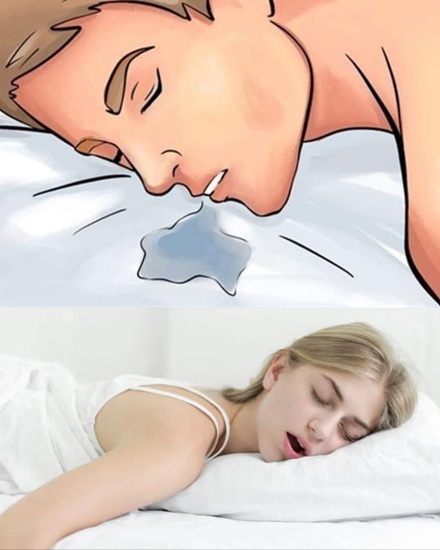
Drooling during sleep, medically referred to as nocturnal sialorrhea, is far more common than most people realize. It affects individuals of all ages, from infants and children to healthy adults and older individuals.
For the vast majority of people, occasional drooling during sleep is harmless, temporary, and simply a byproduct of normal sleep physiology. Waking up to a damp pillow can feel inconvenient or embarrassing, but in most cases, it does not signal a serious medical problem.
Sleep is a complex biological process involving multiple stages, each characterized by distinct changes in brain activity, muscle tone, and bodily functions.
During deeper stages of sleep, especially slow-wave (deep) sleep and rapid eye movement (REM) sleep, the muscles throughout the body relax significantly. This includes the muscles of the face, jaw, lips, and tongue, as well as the reflexes responsible for swallowing saliva.
When these muscles relax, saliva can more easily escape from the mouth—particularly if the mouth remains slightly open or if gravity allows saliva to pool near the lips.

People who sleep on their side or stomach are especially prone to this phenomenon, as saliva is more likely to flow outward rather than toward the throat where it would normally be swallowed.
In children and infants, drooling during sleep is even more common. This is largely due to the fact that their swallowing reflexes and oral muscle control are still developing.
In these cases, nighttime drooling is considered a normal part of growth and usually resolves with age.
Understanding Saliva and Its Role in the Body
To fully understand why drooling occurs during sleep, it is important to understand the role of saliva in the human body.
Saliva is produced by several salivary glands, including the parotid, submandibular, and sublingual glands. On average, a healthy adult produces between 0.5 and 1.5 liters of saliva per day.
Saliva plays a critical role in:
- Lubricating the mouth and throat
- Aiding digestion by breaking down carbohydrates
- Protecting teeth from decay
- Neutralizing acids
- Controlling bacteria and maintaining oral health
Under normal waking conditions, saliva production is balanced by frequent swallowing, which prevents saliva from accumulating in the mouth. During sleep, however, swallowing frequency decreases significantly. Combined with relaxed facial muscles, this creates the perfect conditions for saliva to escape passively.
Importantly, drooling does not usually mean that the body is producing too much saliva. In most cases, it means that saliva is not being swallowed as efficiently during sleep.

When Drooling Is Considered Normal
Occasional drooling during sleep is considered normal when it:
- Happens infrequently
- Occurs mainly during deep sleep
- Is influenced by sleep position
- Is not associated with pain or discomfort
- Does not appear suddenly or worsen over time
Many people experience increased drooling when they are especially tired, sleeping deeply, or recovering from illness. Temporary nasal congestion, mild allergies, or even a common cold can cause short-term mouth breathing, which increases the likelihood of drooling.
In these scenarios, drooling is generally not a sign of disease and does not require medical treatment.
When Drooling Should Be Taken Seriously
Although drooling is often benign, there are situations where it deserves closer attention. Nighttime drooling may indicate an underlying issue if it:
- Appears suddenly in someone who has never drooled before
- Becomes persistent and occurs every night
- Is excessive enough to soak pillows or bedding regularly
- Occurs predominantly on one side of the mouth
- Is accompanied by difficulty swallowing, speaking, or chewing
- Is associated with pain, numbness, weakness, or facial asymmetry
These signs do not automatically mean that a serious condition is present, but they warrant further evaluation, especially if they persist or worsen over time.

Common Causes of Drooling During Sleep
Nighttime drooling can result from a wide range of factors. In most cases, the cause is benign and easily manageable. Understanding these causes can help individuals identify patterns and take appropriate steps to reduce symptoms.
1. Nasal Congestion and Mouth Breathing
One of the most common and overlooked causes of drooling during sleep is nasal obstruction. When the nasal passages are blocked or narrowed, the body naturally compensates by breathing through the mouth. Mouth breathing makes it much easier for saliva to escape.
Common causes of nasal congestion include:
- Allergies: Seasonal pollen, dust mites, pet dander, and mold can cause chronic nasal inflammation.
- Colds and viral infections: Temporary swelling and mucus buildup often force mouth breathing.
- Sinus infections: Inflammation and pressure in the sinuses can obstruct airflow.
- Deviated nasal septum: Structural irregularities in the nasal cavity can restrict airflow on one or both sides.
- Enlarged tonsils or adenoids: Particularly common in children, these tissues can block nasal breathing during sleep.
People who drool due to nasal congestion often experience additional symptoms, such as:
- Snoring
- Dry mouth upon waking
- Frequent nighttime awakenings
- Morning sore throat
Treating the underlying nasal issue—through allergy management, nasal sprays, saline rinses, or medical evaluation—often significantly reduces drooling.

2. Sleep Position and Gravity
Sleep position plays a surprisingly important role in saliva control. Gravity affects where saliva pools in the mouth, especially when swallowing reflexes are reduced.
- Back sleepers: Saliva is more likely to flow toward the throat, where it can be swallowed. Drooling is less common.
- Side sleepers: Saliva may collect near the lips and escape due to gravity.
- Stomach sleepers: This position often results in the highest likelihood of drooling.
While side sleeping has benefits for breathing and digestion, it may increase drooling in some individuals. Using a pillow that properly supports the head and neck can help maintain better jaw alignment and reduce mouth opening during sleep.
Children and infants are especially sensitive to sleep position due to immature muscle control, which explains why drooling is more common in younger age groups.
3. Digestive and Gastrointestinal Factors
Gastroesophageal reflux disease (GERD) and other digestive issues can also contribute to nighttime drooling. When stomach acid flows back into the esophagus, particularly while lying down, it can irritate the throat and esophageal lining.
In response, the body may increase saliva production as a protective mechanism to neutralize acid. This excess saliva can accumulate and lead to drooling.
Signs that digestive issues may be contributing include:
- Heartburn during the night
- Sour or bitter taste in the mouth upon waking
- Chronic cough or throat clearing
- Hoarseness or voice changes
- Chest discomfort
Managing acid reflux through lifestyle adjustments—such as avoiding late meals, reducing acidic foods, and elevating the head during sleep—often improves both reflux symptoms and drooling.

4. Oral and Dental Health Factors
The health of the mouth, teeth, and gums has a direct impact on saliva production and control. Certain oral conditions can stimulate excess saliva or interfere with swallowing.
These include:
- Gingivitis or gum inflammation
- Dental infections or abscesses
- Tooth pain or oral ulcers
- Throat infections such as tonsillitis or pharyngitis
Pain or inflammation in the mouth may subconsciously reduce swallowing, allowing saliva to accumulate. Once the underlying dental or oral condition is treated, drooling typically improves.
Regular dental checkups, proper brushing and flossing, and prompt treatment of oral infections play a key role in prevention.
While most cases of nighttime drooling are benign, there are situations where it reflects deeper physiological, neurological, or lifestyle-related factors. Understanding these less common but more significant contributors is essential for recognizing when drooling moves beyond a simple sleep-related inconvenience and becomes a symptom that deserves medical attention.
This second part explores neurological causes, medication effects, lifestyle influences, diagnostic approaches, treatment options, and long-term prevention strategies, offering a complete and medically accurate picture of nocturnal drooling.
Neurological and Medical Conditions Associated With Drooling
Although rare compared to common causes like sleep position or nasal congestion, neurological conditions can interfere with muscle coordination and swallowing reflexes, leading to excessive saliva accumulation during sleep.
Parkinson’s Disease
Parkinson’s disease is one of the most well-known neurological conditions associated with drooling. Contrary to popular belief, drooling in Parkinson’s disease is not usually caused by excessive saliva production. Instead, it results from:
- Reduced swallowing frequency
- Muscle rigidity in the face and throat
- Impaired coordination of oral muscles
These changes allow saliva to pool in the mouth and escape during sleep or waking hours. Drooling in Parkinson’s patients often occurs alongside other symptoms such as tremors, slowed movement, and facial stiffness.
Stroke and Facial Nerve Injury
Drooling that appears suddenly and affects only one side of the mouth may indicate damage to the facial nerves. This can occur after:
- A stroke
- Bell’s palsy
- Head trauma
- Surgical injury to facial nerves
When nerve signals controlling facial muscles are disrupted, the ability to close the lips or swallow efficiently may be compromised. Sudden drooling combined with facial weakness, slurred speech, or difficulty raising one side of the face requires immediate medical evaluation.
Other Neurological Disorders
Several less common neurological conditions may also interfere with saliva control, including:
- Amyotrophic lateral sclerosis (ALS)
- Cerebral palsy
- Multiple sclerosis
- Certain neuromuscular diseases
In these cases, drooling is often chronic and accompanied by other neurological symptoms. Management typically focuses on symptom control rather than elimination.
Medications That Can Contribute to Drooling
Certain medications may increase saliva production or reduce swallowing frequency as a side effect. These effects are usually dose-dependent and reversible.
Common medication categories associated with drooling include:
- Antipsychotic medications
- Sedatives and sleep aids
- Muscle relaxants
- Certain antidepressants
- Medications for Alzheimer’s disease
These drugs can relax oral muscles or suppress reflexes that normally keep saliva under control. If drooling begins after starting a new medication, a healthcare provider may adjust the dosage or recommend an alternative.
Lifestyle Factors That Increase Nighttime Drooling
Daily habits and lifestyle choices can significantly influence drooling during sleep.
Alcohol Consumption
Alcohol depresses the central nervous system and relaxes muscles throughout the body. Drinking alcohol before bedtime can:
- Reduce swallowing frequency
- Increase mouth breathing
- Promote deeper, less responsive sleep
As a result, saliva may accumulate and escape more easily.
Sleep Deprivation
Extreme fatigue increases the likelihood of deeper sleep stages, during which muscle tone is lowest. People who are chronically sleep-deprived often drool more frequently due to prolonged deep sleep and reduced reflex activity.
Smoking and Vaping
Smoking and vaping can irritate nasal passages and increase mucus production, encouraging mouth breathing during sleep. Chronic irritation may also affect saliva consistency, making it thicker and more difficult to swallow.
How Doctors Evaluate Persistent Drooling
When drooling becomes persistent, excessive, or concerning, healthcare professionals may recommend a structured evaluation.
This may include:
- Medical history review: Onset, frequency, triggers, and associated symptoms
- Physical examination: Oral cavity, throat, facial muscles, and nasal passages
- Neurological assessment: Facial symmetry, muscle strength, reflexes
- Dental evaluation: Gum health, infections, bite alignment
- Sleep assessment: Snoring, sleep apnea, mouth breathing patterns
In rare cases, imaging studies or referral to a neurologist, ENT specialist, or sleep specialist may be necessary.
Management and Treatment Options
Treatment depends entirely on the underlying cause. In most cases, conservative measures are sufficient.
Behavioral and Positional Strategies
- Sleeping on the back with the head slightly elevated
- Using supportive pillows to maintain jaw alignment
- Avoiding stomach sleeping
- Establishing consistent sleep routines
These simple changes often reduce drooling significantly.
Treating Nasal and Sinus Issues
- Antihistamines for allergies
- Nasal corticosteroid sprays
- Saline nasal rinses
- Treatment of sinus infections
- Surgical correction for severe structural abnormalities
Restoring nasal breathing is one of the most effective ways to reduce drooling.
Managing Digestive Causes
For acid reflux–related drooling:
- Avoid eating 2–3 hours before bedtime
- Reduce spicy, acidic, or fatty foods
- Elevate the head of the bed
- Maintain a healthy body weight
These strategies protect the throat and reduce saliva overproduction.
Oral and Dental Care
- Regular brushing and flossing
- Treating gum disease promptly
- Addressing dental pain or infections
- Wearing prescribed dental appliances if needed
Good oral health supports normal saliva regulation.
Medical Interventions for Severe Cases
In rare, severe, or neurologically driven cases, medical interventions may be considered.
Medications That Reduce Saliva Production
Certain medications can safely reduce saliva production under medical supervision. These are typically reserved for chronic or disabling drooling.
Botulinum Toxin (Botox) Injections
Botulinum toxin injections into salivary glands temporarily reduce saliva production. This treatment is well-studied and commonly used for neurological drooling when other methods fail.
Long-Term Prevention and Monitoring
For most individuals, drooling improves once the underlying cause is addressed. Long-term prevention includes:
- Maintaining nasal health
- Practicing good sleep hygiene
- Monitoring medication side effects
- Managing chronic conditions effectively
- Seeking early evaluation for new or worsening symptoms
Keeping a simple sleep journal may help identify patterns related to sleep position, diet, or lifestyle habits.
When to Seek Medical Attention
You should consult a healthcare provider if you experience:
- Sudden onset of drooling
- Persistent drooling lasting several weeks
- One-sided drooling
- Difficulty swallowing or speaking
- Facial weakness or numbness
- Tremors, muscle stiffness, or coordination problems
Early evaluation ensures that serious conditions are identified promptly while avoiding unnecessary anxiety.
Final Summary
Drooling during sleep is a common and usually harmless occurrence influenced by sleep stages, muscle relaxation, and gravity. In most cases, it is temporary and manageable with simple lifestyle adjustments.
However, persistent, excessive, or sudden drooling may signal underlying issues ranging from nasal obstruction and digestive problems to neurological conditions or medication side effects.
Understanding the causes of nocturnal drooling empowers individuals to take appropriate action—whether that means improving sleep posture, addressing nasal congestion, modifying habits, or seeking medical care.
While drooling can be inconvenient or embarrassing, it is rarely dangerous. Awareness, observation, and timely intervention ensure both peace of mind and better sleep quality.
