
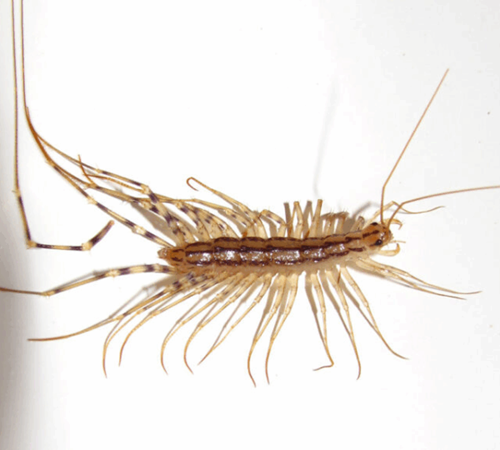
Centipedes, belonging to the class Chilopoda, are among the most distinctive and fascinating arthropods on Earth.
Their elongated, segmented bodies, numerous legs, and rapid movements make them both intriguing and, for many, intimidating creatures.
Despite their reputation as creepy crawlers, centipedes play a critical role in natural ecosystems and even in controlling household pests. Their biology is both intricate and highly specialized, reflecting hundreds of millions of years of evolution.
Anatomy and Physical Characteristics
Centipedes are instantly recognizable by their worm-like, flattened bodies and their remarkable number of legs. While the term “centipede” literally means “hundred feet,” no centipede actually has exactly 100 legs.
Depending on the species, individuals may possess anywhere from 15 to over 177 pairs of legs, with each pair attached to a single body segment. Interestingly, the number of legs generally increases as a centipede matures because new segments are added during molting, a process called anamorphic development.
Centipede legs are not only numerous but highly specialized. The first pair of legs, located near the head, are modified into venom-injecting appendages known as forcipules. These forcipules resemble small pincers but are connected to venom glands and are essential for subduing prey.
The remaining legs are adapted for rapid locomotion, climbing, and maneuvering through tight spaces. In some species, the last pair of legs is elongated and functions as sensory organs, helping the centipede detect predators or navigate its environment.
The body of a centipede is divided into many segments, typically ranging from 15 to 177. Each segment has a pair of legs, and the overall body is covered in a flexible exoskeleton made of chitin, which provides protection while maintaining mobility.

The coloration of centipedes varies widely: common shades range from pale yellow and tan to deep brown, reddish-orange, or almost black, depending on species, habitat, and age. Some tropical species display striking patterns, serving as a warning to potential predators about their venomous capabilities.
A defining feature of centipedes is their long, multi-segmented antennae, which are constantly in motion. These antennae serve as highly sensitive sensory organs that detect vibrations, chemical signals, humidity, and temperature changes.
This allows centipedes to locate prey, avoid predators, and navigate in complete darkness, which is critical as many species are nocturnal hunters. Their small, highly efficient mouths are designed to grasp and immobilize prey rapidly, making them formidable predators despite their relatively small size.
Behavior and Ecological Role
Centipedes are primarily carnivorous predators, contrasting sharply with millipedes, which are mostly detritivores or herbivores. A centipede’s diet can include insects, spiders, worms, slugs, and in some cases, small vertebrates such as frogs or lizards. Larger tropical centipedes, like Scolopendra gigantea, have been documented preying on rodents, birds, and even bats, showcasing their remarkable hunting ability and adaptability.
Movement is central to a centipede’s survival. Their many legs and flexible body allow them to move with a fluid, serpentine motion, enabling them to chase prey, escape predators, and traverse uneven terrain with exceptional agility. Some species can move at speeds exceeding 1 foot per second, making them some of the fastest arthropods relative to body size. This speed, combined with their venom, makes them highly effective predators in both natural and urban environments.
Centipedes are also important ecosystem regulators. By preying on insects and other small arthropods, they help control populations of potential pests. In residential settings, house centipedes, such as Scutigera coleoptrata, can reduce the number of cockroaches, spiders, and silverfish, indirectly benefiting human households. However, due to their sudden movements and unusual appearance, they are often met with fear rather than appreciation.
Centipedes and Human Interaction
One of the most common concerns for homeowners is whether centipedes pose a danger to humans. While centipedes can bite, they rarely do so intentionally. A bite typically occurs only if a centipede is handled directly or feels threatened, such as when trapped between a hand and a surface. When biting, the centipede uses its forcipules to inject venom, which primarily functions to subdue prey.
For humans, the venom generally causes mild localized reactions—redness, swelling, temporary pain similar to a bee sting, and sometimes itching or irritation. Severe reactions are extremely rare and usually only occur in individuals with allergies or compromised immune systems. Similarly, pets may experience minor discomfort but are rarely at serious risk.
Despite their potential to bite, centipedes are not aggressive toward humans. Their primary focus is survival and hunting, and they will almost always flee if given the opportunity. Understanding this behavior is crucial for homeowners, as it reduces unnecessary fear and encourages safer, non-lethal approaches to centipede encounters.

The Ancient Origins of Centipedes
Centipedes have a remarkably ancient lineage, tracing back more than 400 million years to the late Silurian period. Fossil evidence indicates that early centipedes were already highly specialized predators long before the rise of dinosaurs. Over the course of hundreds of millions of years, centipedes evolved key adaptations such as venomous forcipules, segmented bodies with multiple legs, and sensory appendages that allow them to thrive in diverse environments. This evolutionary success has made centipedes one of the oldest terrestrial arthropod groups, coexisting with countless other species while maintaining their specialized predatory niche.
Their longevity as a species is mirrored in individual lifespans. Certain centipedes, such as the common house centipede, can live for up to six years, while larger tropical species may survive for a decade or more under favorable conditions. Factors influencing lifespan include food availability, environmental stability, predation pressures, and successful molting cycles.
Centipedes are far more than just “creepy crawlies” in your home—they are highly specialized predators with fascinating behaviors, intricate adaptations, and an essential role in both natural and residential ecosystems. Understanding their hunting strategies, diet, and interactions with other species can help homeowners approach them with knowledge rather than fear.
Hunting Strategies and Feeding Behavior
Centipedes are opportunistic carnivores, relying on a combination of speed, agility, and venom to capture prey. Their hunting methods vary according to species, size, and environment. Small species, such as the common house centipede (Scutigera coleoptrata), primarily feed on insects like flies, ants, silverfish, and cockroaches. Larger species, particularly tropical centipedes, can tackle prey as large as small frogs, lizards, birds, or even other centipedes.
The hunting process begins with the centipede using its long, sensitive antennae to detect movement, vibrations, or chemical signals in its vicinity. Once prey is located, the centipede approaches with stealth, often employing rapid bursts of speed to close the distance. Using its forcipules, the centipede injects venom, which immobilizes the prey almost instantly. The venom contains a mix of proteolytic enzymes and neurotoxins designed to break down tissue and disrupt the nervous system, allowing the centipede to feed safely without struggle.
Some species exhibit ambush hunting tactics, hiding under leaves, rocks, or debris and waiting for prey to pass by. Others are active foragers, moving continuously at night in search of food. This nocturnal behavior not only enhances hunting efficiency but also reduces the risk of encountering larger predators. The centipede’s ability to climb walls, ceilings, and other vertical surfaces further increases its hunting range, making it an adaptable and persistent predator.
Diet and Ecological Impact
The diet of centipedes is surprisingly diverse:
- Small centipedes: Feed mainly on insects, spiders, worms, and small mollusks. Their size limits them to prey smaller than themselves but allows them to control household pest populations effectively.
- Medium to large centipedes: Can capture small amphibians, lizards, or even mice in rare cases. Tropical species may take down prey considerably larger than themselves.
- Cannibalism: Some centipede species are known to eat smaller centipedes, especially in crowded environments or when food is scarce. This behavior ensures survival in competitive habitats.
By preying on other invertebrates, centipedes help regulate ecosystems. In forests, gardens, and even residential areas, they reduce insect populations naturally, acting as biological pest control agents. This role highlights why encountering a few centipedes in your home does not always signal a problem—it often indicates that the environment is sustaining a natural balance of predators and prey.

Five Lesser-Known Facts About Centipedes
Centipedes are more complex than most people realize. Here are five fascinating insights:
- Leg Count Varies by Age and Species
Unlike millipedes, centipedes do not have a fixed number of legs at birth. Juveniles hatch with fewer legs and acquire additional segments—and consequently more legs—as they molt and mature. In some species, leg count is an indicator of age and developmental stage, allowing biologists to estimate the maturity of individuals in the wild. - Centipedes Are Ancient Survivors
Centipedes have survived more than 400 million years of evolutionary pressures, including climate changes, predator shifts, and competition. Their fossil record reveals sophisticated adaptations, such as venomous appendages and nocturnal activity patterns, that have changed little over millions of years. This long evolutionary history underscores their resilience and adaptability. - Remarkable Speed and Agility
Some species can move faster than most other arthropods relative to body size. Their fluid, multi-legged motion allows them to navigate complex environments, scale vertical surfaces, and even escape predators with surprising efficiency. In practical terms, this makes them both effective hunters and difficult targets for larger animals. - Longevity and Life Cycle
House centipedes can live for up to six years, and tropical species often live longer, sometimes exceeding a decade. Their lifespan depends on food availability, environmental stability, predation, and successful molting cycles. Longevity allows centipedes to maintain territories and reproduce multiple times, contributing to stable population dynamics. - Specialized Venom for Hunting
Centipede venom is not harmful to most humans but is highly effective against invertebrate prey. It contains proteins and enzymes that paralyze prey and start breaking down tissues for easier consumption. Interestingly, larger centipedes have more potent venom, allowing them to subdue prey larger than themselves.
Natural Predators of Centipedes
While centipedes are formidable hunters, they are also part of a larger food web and face predation from a variety of animals. Their predators vary by habitat and species size:
- Birds: Insectivorous birds often feed on centipedes, particularly smaller species.
- Spiders: Large spiders, such as tarantulas, may capture and eat juvenile centipedes.
- Amphibians: Frogs and toads opportunistically prey on centipedes, especially in moist environments.
- Beetles and Ants: Certain ground beetles and aggressive ant species attack centipedes, targeting vulnerable or smaller individuals.
- Rodents and Small Mammals: Some small mammals will consume centipedes when other food sources are scarce.
- Snakes: In tropical areas, small snakes may prey on centipedes, particularly large species.
Interestingly, larger centipedes can themselves act as predators of frogs, lizards, and smaller centipedes. This creates a complex predator-prey dynamic where centipedes are both hunters and hunted, emphasizing their ecological significance.

House Centipedes and Human Spaces
Centipedes often find their way into homes in search of food and shelter. The house centipede is a common example: it prefers damp environments, such as basements, bathrooms, and crawl spaces. While they may startle residents with their fast movements and many legs, house centipedes are generally beneficial intruders:
- They hunt other household pests like spiders, silverfish, and cockroaches, reducing infestations naturally.
- They do not build nests or webs, so their presence is usually limited to individuals rather than colonies.
- Their solitary nature means that seeing one or two centipedes in a home is not an indication of an infestation.
Despite this, centipedes in large numbers can indicate environmental conditions favorable for pests, such as excess moisture, unsealed entry points, or an abundance of insects. This is where prevention and professional guidance become important.
While centipedes are fascinating and ecologically beneficial creatures, their presence in homes can be unnerving for many people. The combination of rapid movements, elongated bodies, and numerous legs often creates a sense of alarm, especially when a centipede appears suddenly. However, understanding their behavior, natural tendencies, and safe management strategies allows homeowners to coexist with these arthropods—or control them when necessary—without endangering themselves or disrupting the ecological balance.
Why You Shouldn’t Try to Kill Centipedes Directly
Many homeowners instinctively attempt to kill centipedes on sight, but this approach can be counterproductive. There are several reasons to avoid aggressive or indiscriminate killing:
- Beneficial Predators
House centipedes prey on a variety of pests, including cockroaches, silverfish, ants, spiders, and even other centipedes. By eliminating these natural hunters, homeowners may inadvertently allow pest populations to grow unchecked. In other words, a centipede in your home can serve as a living pest control agent, reducing the need for chemical interventions. - No Nests or Colonies
Unlike ants or termites, centipedes are solitary creatures. They do not form colonies or create nests, meaning that encountering one or two individuals does not necessarily indicate an infestation. Removing a few centipedes may not resolve an underlying pest problem, as other intruders will continue to enter the space. - Stress and Injury
Centipedes can bite when threatened, and larger species deliver more painful bites. Attempting to squash or grab them increases the risk of bites, minor though they may be, especially if the individual is startled. Additionally, certain chemical sprays can be harmful to humans, pets, and non-target species if applied incorrectly. - Recurrence
Because centipedes seek homes with food and moisture, killing a few individuals does not prevent others from entering. Without addressing the root causes—like excess humidity, structural gaps, or abundant insect prey—centipedes will continue to appear.
Understanding these factors emphasizes the need for strategic, preventative measures rather than reactive killing. With proper knowledge and environmental adjustments, homeowners can minimize unwanted encounters while respecting the ecological role of centipedes.
Safe Centipede Prevention Strategies
Preventing centipedes in the home involves addressing three main factors: food sources, shelter, and entry points. Effective strategies include:
- Reduce Moisture
Centipedes thrive in damp environments. Basements, crawl spaces, bathrooms, and kitchens provide ideal conditions if humidity is high. To reduce moisture:- Fix leaking pipes, faucets, or roof leaks promptly.
- Improve ventilation in bathrooms, kitchens, and laundry rooms.
- Use dehumidifiers in basements or poorly ventilated areas.
- Avoid leaving standing water or wet towels on floors.
- Remove Food Sources
Centipedes primarily hunt insects and other arthropods. Reducing the populations of these prey species naturally limits centipede numbers:- Keep kitchens clean and free of crumbs or spilled food.
- Seal food in airtight containers.
- Regularly vacuum or sweep areas where insects may congregate.
- Apply safe pest control measures for ants, cockroaches, and silverfish if infestations occur.
- Seal Entry Points
Centipedes enter homes through small cracks, gaps, or openings in foundations, doors, and windows. Preventative measures include:- Caulking or sealing gaps around doors, windows, and baseboards.
- Installing door sweeps on exterior doors.
- Repairing damaged screens and vents.
- Ensuring that outdoor drainage directs water away from the home’s foundation to reduce damp entry points.
- Outdoor Landscaping Adjustments
Centipedes are often drawn to homes by outdoor conditions:- Remove leaf litter, mulch, and debris close to foundations.
- Trim overgrown plants and shrubs to reduce hiding spots.
- Ensure that rocks, woodpiles, or compost are stored away from house walls.
Professional Pest Management
For homeowners facing persistent centipede activity, professional pest control can provide effective and safe solutions. Certified pest control experts are trained to:
- Identify the species present and evaluate whether the centipedes are common house types or potentially larger tropical species.
- Assess infestation levels and determine underlying causes, such as moisture, insect prey, or structural entry points.
- Apply targeted treatments that minimize risk to humans, pets, and non-target wildlife.
- Offer long-term strategies that focus on prevention rather than repeated extermination, including environmental modifications and habitat management.
Regions with higher humidity or coastal climates, such as South Portland and other areas near water, often see increased centipede activity. Professional intervention in these environments is particularly useful, as it ensures that centipedes are managed safely without unnecessary use of chemicals or creating ecological imbalances.

Myths and Misconceptions About Centipedes
Several myths surround centipedes, often contributing to unnecessary fear. Common misconceptions include:
- Centipedes are deadly to humans: While bites can be painful, they are rarely serious for healthy adults. Severe reactions are uncommon and usually related to allergies.
- Centipedes infest homes like ants or termites: Centipedes are solitary and do not build colonies. Seeing one or two is not evidence of an infestation.
- All centipedes are aggressive: Most species are shy and avoid humans. Aggressive behavior occurs only when threatened.
- Killing centipedes solves the problem: Without addressing underlying conditions such as moisture and prey availability, new centipedes will continue to enter.
By dispelling these myths, homeowners can approach centipedes with a balanced perspective, recognizing both their ecological benefits and the minor risks they pose.
Final Recommendations for Homeowners
- Observe, don’t panic: Encountering centipedes is usually harmless.
- Minimize attractants: Reduce moisture, seal entry points, and control other pests.
- Use non-lethal methods when possible: Trapping or gently relocating centipedes is safer than spraying or crushing.
- Seek professional help for recurring issues: Experts can address root causes effectively, ensuring long-term peace of mind.
- Educate household members: Teaching children and guests about centipede behavior reduces fear and accidental mishandling.
Conclusion
Centipedes are ancient, highly adapted predators with a remarkable evolutionary history. Their speed, venom, and multi-legged anatomy allow them to hunt effectively and survive in diverse environments. While their appearance can be startling, centipedes are rarely dangerous to humans or pets. In fact, their predatory habits make them natural pest controllers, helping maintain ecological balance in both outdoor and residential settings.
For homeowners, understanding centipedes—how they hunt, what they eat, who preys on them, and how they interact with human environments—is key to managing them safely. Preventive measures such as moisture control, sealing gaps, and reducing other pests are the most effective ways to coexist with centipedes or limit their presence. When populations become difficult to manage, professional pest control ensures that centipedes are handled safely and sustainably.
By approaching centipedes with knowledge rather than fear, homeowners can respect these fascinating arthropods while maintaining safe, comfortable, and pest-free living spaces. Centipedes are not just pests—they are vital participants in the natural world, deserving appreciation for their unique biology, evolutionary history, and ecological contributions.

