
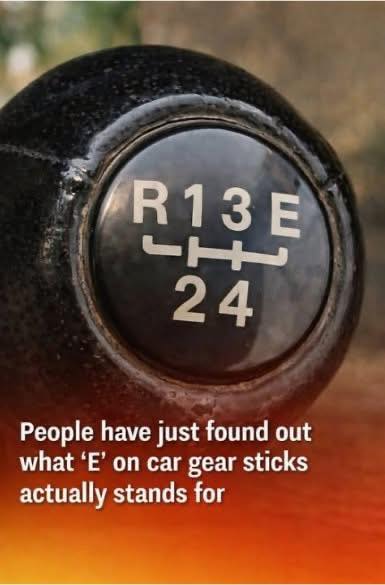
For many decades, the gear selector in automatic vehicles has been one of the most recognizable parts of driving, providing clear and simple controls for everyday vehicle operation and safety management.
Drivers became familiar with standard transmission markings such as P for Park, N for Neutral, D for Drive, and R for Reverse, each representing a fundamental function in automatic vehicle systems.
In addition to these widely recognized labels, some older automatic vehicles also included an additional marking, often the letter “E,” which has led to confusion among modern drivers encountering it in older cars.
This “E” designation was primarily used in certain vehicle models manufactured during earlier decades of automatic transmission development, particularly when manufacturers experimented with driver-controlled efficiency settings.
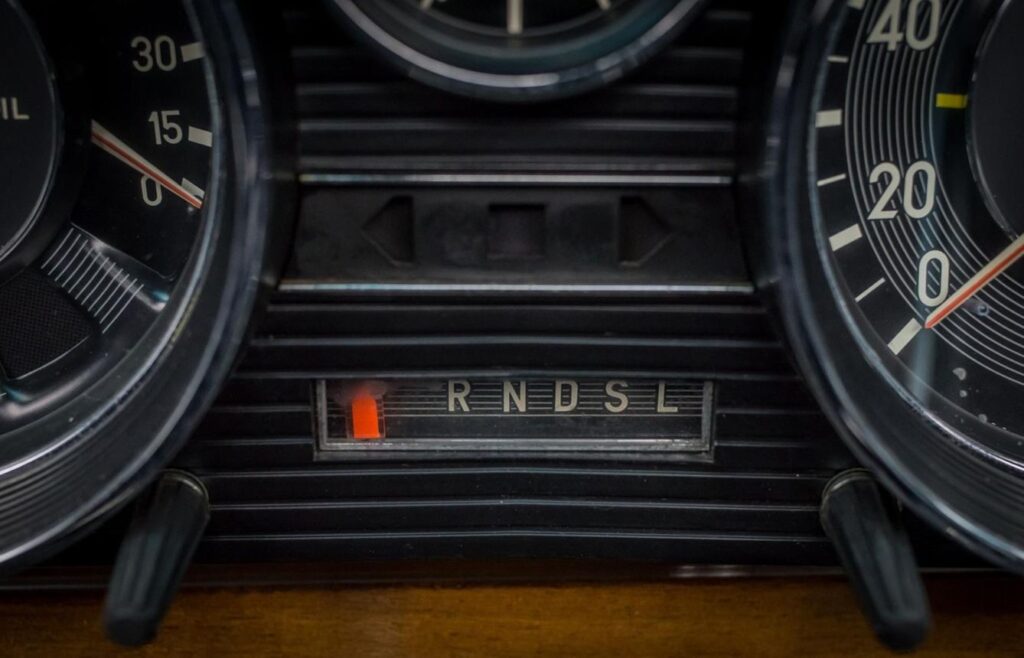
In those contexts, “E” typically stood for “Economy,” a driving mode designed to prioritize fuel efficiency by modifying engine and transmission behavior under normal driving conditions.
When economy mode was engaged, the vehicle’s transmission system was calibrated to shift at lower engine revolutions per minute, reducing fuel consumption and promoting smoother, less aggressive acceleration.
This adjustment allowed engines to operate more efficiently during steady-speed driving, particularly on highways or long-distance travel where consistent speed is more important than rapid acceleration.
At the time these systems were developed, fuel efficiency was a growing concern for both manufacturers and consumers, especially during periods of rising fuel prices and limited automotive technology.
The economy setting provided drivers with a simple, manual way to influence vehicle performance before the widespread adoption of fully computerized engine management systems.
By limiting high-rev operation and encouraging earlier gear shifts, the “E” mode helped reduce unnecessary fuel usage while maintaining acceptable driving comfort and performance levels.
This feature was especially useful in vehicles equipped with early automatic transmissions that lacked the adaptive learning capabilities found in modern systems.
However, as automotive engineering advanced, the need for manually selected economy modes gradually decreased due to the introduction of electronic control units in vehicles.
Modern vehicles now use integrated computer systems that continuously monitor driving behavior, road conditions, and engine load to automatically adjust performance for optimal efficiency.
These systems can dynamically balance fuel economy and power output without requiring the driver to manually select a dedicated economy setting during operation.
As a result, the traditional “E” mode became largely obsolete in most contemporary internal combustion engine vehicles, replaced by adaptive and intelligent transmission technologies.
Despite its decline in modern usage, the historical “E” marking remains an interesting example of how vehicle design once relied more heavily on driver input for efficiency control.
It reflects an earlier stage of automotive development where mechanical systems were gradually transitioning toward electronically managed performance optimization.
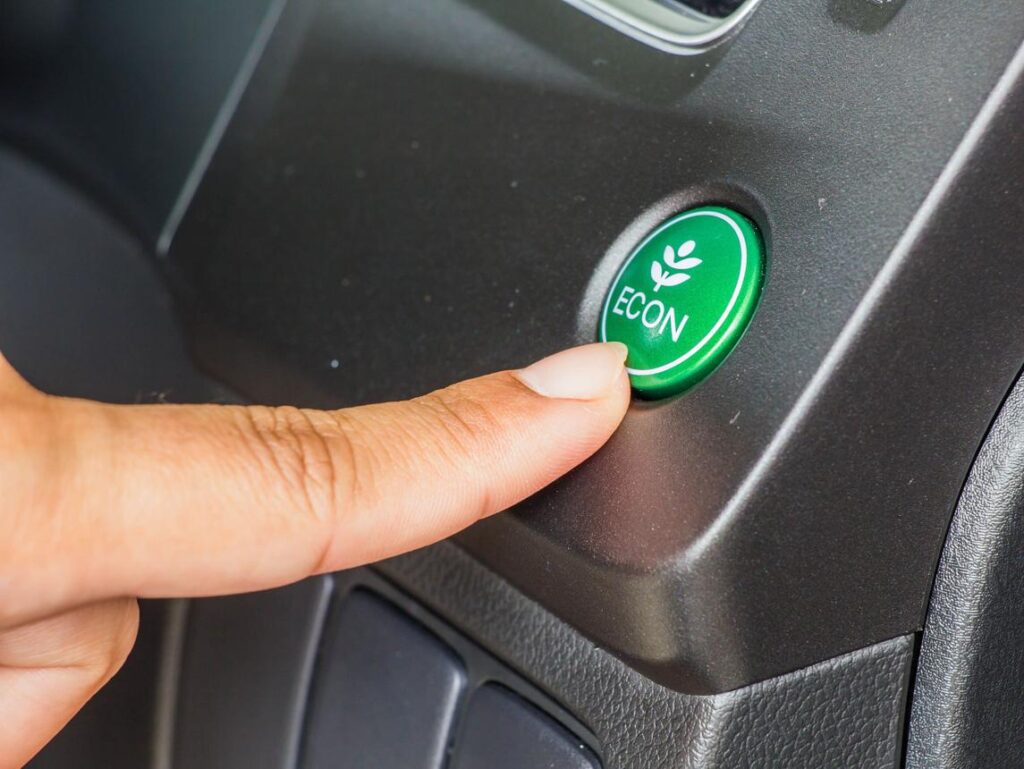
In some vehicle models, variations of economy-related modes were also labeled differently, depending on the manufacturer, but they generally shared the same principle of fuel-saving operation.
These variations were part of broader engineering efforts to improve mileage and reduce emissions at a time when environmental regulations and fuel costs were becoming increasingly important.
Today, the concept associated with “E” has not disappeared but has evolved significantly, especially with the rise of hybrid and fully electric vehicles.
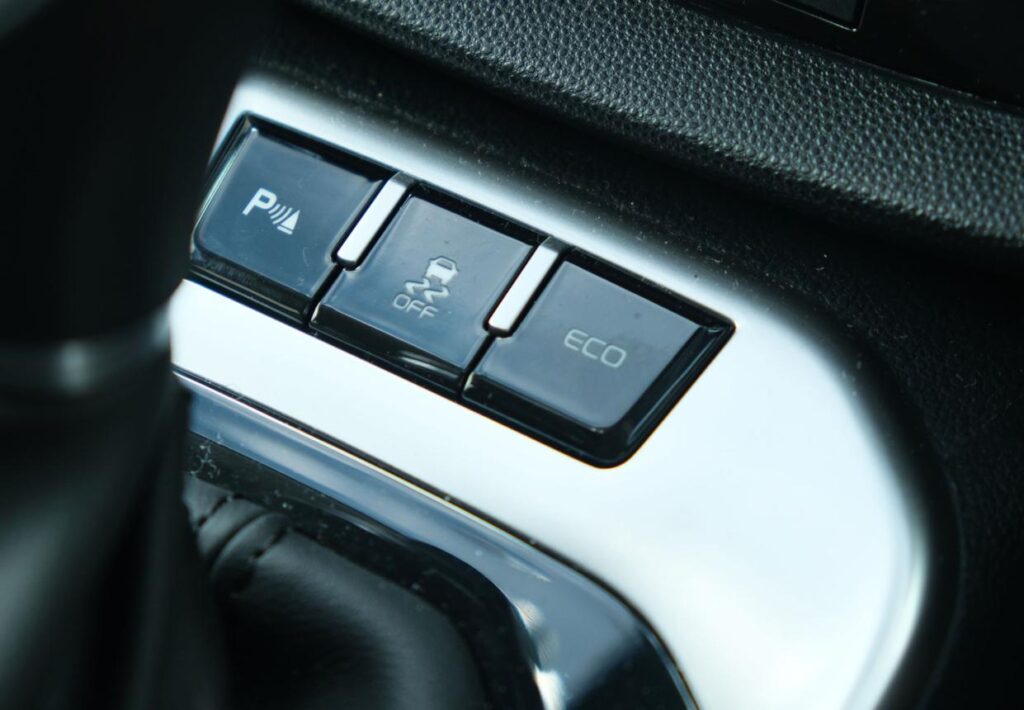
In modern electric vehicles, efficiency-focused driving modes are often integrated into the vehicle’s software and may be labeled as “Eco,” “ECO,” or similar terminology depending on the manufacturer.
These modes are designed to extend driving range by limiting energy consumption, adjusting acceleration response, and optimizing battery usage under different driving conditions.
Unlike older systems, these modern efficiency modes operate through advanced algorithms rather than fixed mechanical settings, allowing for far greater precision and adaptability.
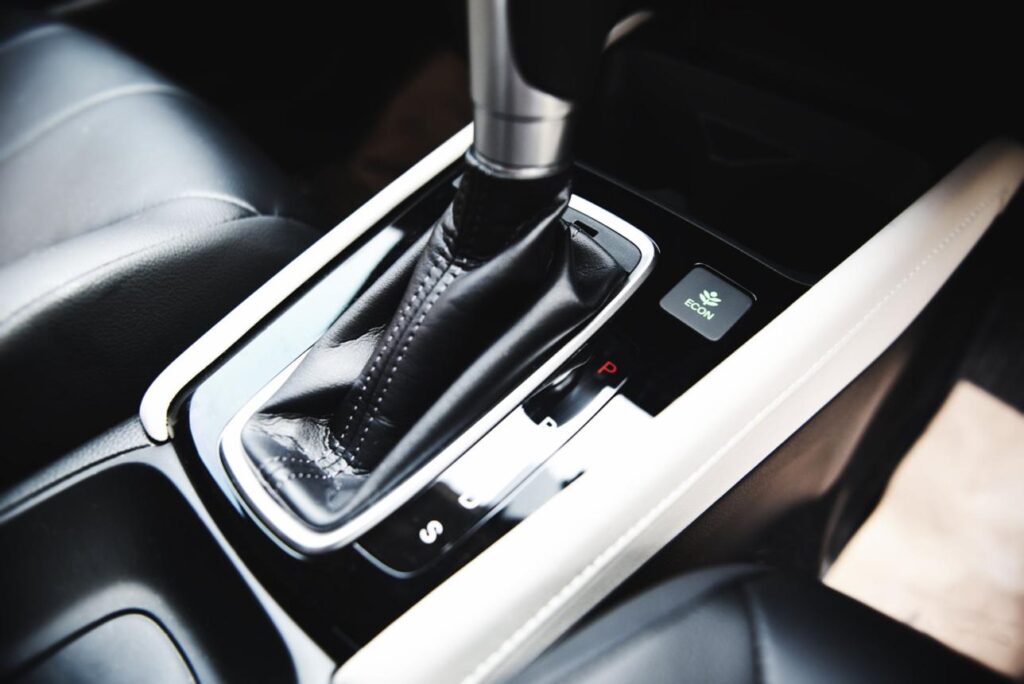
The shift from mechanical economy modes to intelligent energy management reflects the broader transformation of the automotive industry toward electrification and sustainability.
In this context, the letter “E” has maintained its symbolic association with efficiency, even though its technical meaning has changed over time and across different vehicle technologies.
What once represented a manually selected fuel-saving gear setting now more commonly relates to electric propulsion or energy-efficient driving systems in modern vehicles.
This evolution highlights how automotive terminology often persists even as underlying technologies change, carrying forward familiar concepts into new engineering frameworks.
For drivers today, encountering an “E” in older vehicles serves as a reminder of earlier automotive design philosophies that prioritized direct driver control over system automation.
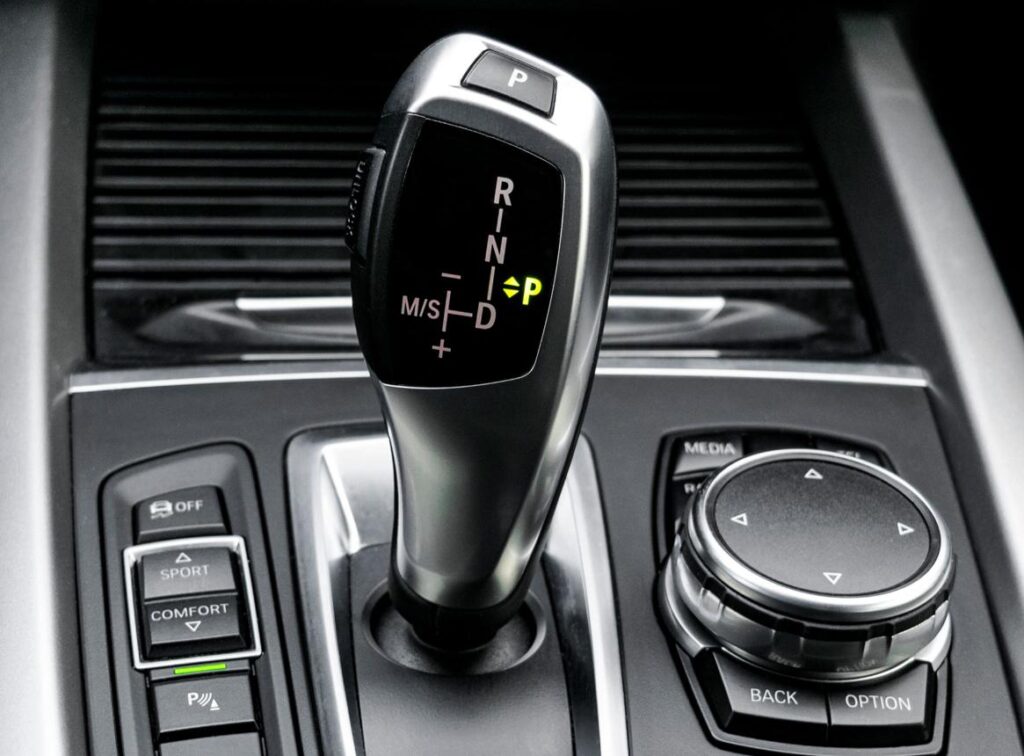
It also illustrates how vehicle technology has progressed from simple mechanical adjustments to complex, software-driven systems capable of real-time optimization.
Understanding these historical features can provide valuable context for appreciating how modern cars achieve efficiency without requiring constant manual input from the driver.
In summary, the “E” marking in older automatic vehicles represented an economy mode focused on fuel conservation, while in modern vehicles its concept has evolved into automated or electric efficiency systems.
This progression demonstrates the continuous innovation within automotive engineering, where efficiency remains a central goal but is achieved through increasingly advanced and intelligent methods.
