
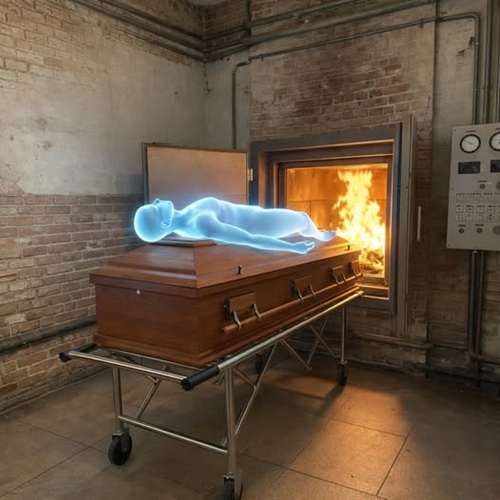
In recent decades, cremation has become increasingly widespread in Western societies. Factors such as rising funeral costs, limited cemetery space, and environmental awareness have made it a practical, affordable alternative to traditional burial.
For many families, cremation is not only economical but also logistically convenient. Modern memorial practices, including columbaria, scattering of ashes, and home urns, allow loved ones to honor the deceased meaningfully while adapting to space and cultural constraints.
Within the Christian community, this growing trend has sparked theological reflection and discussion. Burial has long symbolized hope in resurrection, while cremation raises questions about tradition, scriptural precedent, and proper reverence for the human body.
Historically, burial was the normative practice among biblical figures. Abraham, Isaac, Jacob, and Moses were all interred in the ground, reflecting beliefs that bodies are sacred and that God would one day restore them in resurrection.

The burial of Jesus Christ remains the central model for Christian practice. His entombment symbolized the hope of life after death, likened to a seed sown in the earth that will rise again transformed and glorified.
St. Paul emphasized this connection in 1 Corinthians 15, linking burial with resurrection. The act of placing a body in the ground symbolized faith in God’s promise and underscored the spiritual continuity between life on earth and eternal life.
Despite this tradition, the Bible contains no explicit prohibition against cremation. Instances where bodies were burned, such as during wars or emergencies, were circumstantial and not prescriptive, indicating that moral or doctrinal condemnation is absent.
Early Christians avoided cremation largely due to its association with pagan rites. Many non-Christian cultures practiced cremation in ways that denied resurrection, making burial a distinctively Christian counter-cultural practice grounded in faith and obedience.
Over the centuries, burial became central to Christian identity. Cemeteries, catacombs, and tombs provided sacred spaces for remembrance, prayer, and communal reflection. These practices reinforced respect for the body while symbolizing hope in resurrection.

Concerns about cremation often cite the body as the “temple of the Holy Spirit.” Critics worry that burning a body might signal disrespect or suggest doubt in God’s power to raise the dead, but theological reflection clarifies this fear.
Modern scholars and church authorities affirm that resurrection is not contingent on the physical state of remains. Whether buried, cremated, or scattered, the promise of eternal life through Christ’s resurrection remains intact and unaffected by method.
Practical motivations now drive most cremation decisions. Families consider financial affordability, land limitations, and environmental stewardship, making cremation a responsible, thoughtful option that aligns with contemporary lifestyles and circumstances.
Cremation does not diminish Christian hope. The focus remains on spiritual transformation rather than preservation of earthly remains. Faith emphasizes glorified, resurrected bodies, making earthly disposal methods secondary to eternal promise.
Major Christian denominations now officially permit cremation. The Roman Catholic Church, for example, lifted strict prohibitions in 1963, allowing cremation provided it is not chosen in denial of faith in resurrection. Pastoral guidance ensures reverence is maintained.
Eastern Orthodox churches remain more conservative but increasingly allow cremation in exceptional cases. Pastoral care emphasizes maintaining hope in resurrection while respecting practical considerations, balancing tradition with contemporary realities.

Protestant communities generally provide flexibility. Denominations encourage families to make informed, faith-aligned decisions, emphasizing memorialization, closure, and honoring the deceased, rather than rigid adherence to burial-only norms.
Funeral planning can seamlessly integrate cremation. Memorial services, readings from scripture, prayers, hymns, and eulogies provide spiritual meaning and closure, ensuring that ceremonies honor faith and respect both tradition and personal choice.
Cremation offers opportunities for creative memorialization. Ashes can be kept in urns, interred in columbaria, scattered in meaningful locations, or incorporated into personalized rituals, allowing families to maintain spiritual connection and remembrance.
Environmental stewardship plays a growing role. Traditional burial requires significant land, caskets, and chemical embalming, whereas cremation reduces land use, chemical exposure, and ecological footprint, aligning with Christian ethics of stewardship and care for creation.
Cost efficiency is another key consideration. Cremation typically costs less than traditional burial, which may involve caskets, cemetery plots, perpetual maintenance, and monument installation. This affordability makes honoring the deceased accessible without compromising faith or dignity.

Pastoral guidance helps families navigate theological, practical, and emotional aspects. Clergy provide education and reassurance, explaining that eternal hope, salvation, and resurrection are independent of whether bodies are buried or cremated.
Memorial services for cremation can be adapted to traditional liturgies. Rituals, prayers, scripture readings, and symbolic gestures maintain spiritual significance, guiding mourners in honoring loved ones while affirming belief in life after death.
Christian teaching emphasizes that the body’s earthly fate does not determine eternal destiny. Salvation, glorification, and resurrection depend on God’s promise and Christ’s redemptive work, not on preservation or burial of the physical body.
Both burial and cremation convey dignity, reverence, and respect. Families may select the method that best fits their circumstances, traditions, or values while ensuring the deceased is honored and spiritual hope remains central.
Cremation, when chosen thoughtfully, aligns with Christian values. It demonstrates respect for the deceased, accommodates practical realities, and maintains theological integrity regarding resurrection, eternal life, and hope in Christ.

Educating communities about cremation fosters understanding, reduces anxiety, and empowers families to make informed, faith-consistent choices. Awareness helps believers reconcile modern practices with long-standing traditions and spiritual principles.
Pastoral care emphasizes that method does not compromise faith. Spiritual life, hope, and eternal destiny are unaffected by earthly choices, reaffirming that God’s power to transform and redeem transcends material concerns.
Theological reflection reinforces that the body is sacred, yet resurrection and glorification surpass physical condition. Cremation, when approached reverently, harmonizes with Christian belief, highlighting spiritual transformation over earthly preservation.
By focusing on Christ’s resurrection, believers recognize that decay, fire, or decomposition cannot impede divine promise. Eternal life is grounded in faith, hope, and grace, transcending human concerns about bodily preservation.
Ultimately, burial and cremation share central principles: respect, love, remembrance, and faith. Both methods provide meaningful ways for families to honor the deceased while emphasizing spiritual hope and eternal continuity.
Christian liberty acknowledges that individuals and families may choose cremation, burial, or interment of ashes according to conscience, circumstances, and faith, affirming that spiritual hope is independent of physical practices.
Memorialization practices—such as columbaria, home urns, scattering ashes, or ceremonial planting—allow ongoing spiritual connection and reflection, offering closure and fostering communal remembrance across generations while honoring Christian beliefs.
Faith, ritual, and remembrance remain central regardless of method. Cremation provides practical flexibility without diminishing theological meaning, ensuring that spiritual hope, ritual observance, and family legacy are preserved in alignment with Christian teachings.
Ultimately, both burial and cremation can serve as expressions of love, respect, and faith. The focus remains on eternal life and resurrection, demonstrating that earthly methods of honoring the body are secondary to spiritual hope.
Families choosing cremation are encouraged to consult clergy, study scripture, and engage in reflection to ensure decisions align with faith, providing reassurance that divine promise transcends physical treatment of earthly remains.
The Christian view emphasizes that God’s power is limitless. Cremation does not hinder resurrection; fire, decay, or transformation of remains does not compromise the eternal hope offered through Christ’s life, death, and resurrection.
By embracing thoughtful memorialization and reverent practices, families can honor the deceased while teaching communities that faith, remembrance, and spiritual continuity matter more than the physical disposition of bodies.
