
It often starts on a quiet evening, perhaps while brushing your child’s hair after a bath or sharing a cozy moment on the couch. Suddenly, a tiny dark speck moves through the strands, catching your immediate attention.
Your heart may skip a beat as worry floods your mind. Could it be a head louse, a tick, or another type of insect entirely? The sudden uncertainty triggers anxiety and the need for rapid clarity.
In today’s world, children spend more time outdoors than ever. From school playgrounds to hiking trails, backyard adventures, and weekend camping trips, encounters with insects like lice, ticks, and other small pests have become increasingly common.

The initial panic is understandable, especially for first-time parents. However, approaching the situation methodically, with observation and calm, is far more effective than rushing to drastic treatments or overreacting out of fear.
Before reaching for harsh chemicals or calling a clinic in alarm, pause and examine the situation. Most scalp-dwelling insects belong to a few well-defined categories, each with distinct behaviors and simple, safe solutions.
Identifying the Culprit: Observation is key. Use bright light, part the hair, and pay attention to size, shape, color, and movement. Proper identification prevents unnecessary panic and ensures appropriate treatment for each type of insect.
Head Lice (Pediculosis)
Appearance: Small, sesame-seed sized, wingless, pale gray or tan. Lice cannot fly or jump, using specialized legs to cling tightly to hair strands, especially near the nape or behind the ears.
Signs: Tiny teardrop-shaped nits firmly glued to hair shafts, resistant to easy removal. Close inspection reveals them primarily near the scalp, often missed without a magnifying comb or meticulous attention.
Treatment: Wet combing remains the gold standard. Apply conditioner liberally to immobilize lice, then use a fine metal comb to remove both lice and eggs. Repeat every two to three days for at least two weeks.

Ticks
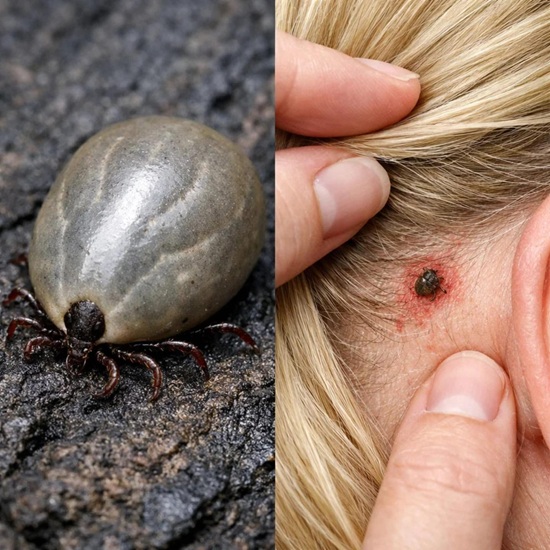
Appearance: Dark, flat, oval-shaped insects. When feeding, ticks can swell slightly, resembling a tiny gray bean. Unlike lice, they attach to the skin rather than hair, remaining motionless during feeding.
Signs: Ticks anchor firmly, often behind the ears, at the hairline, or on the neck. Removal requires sterilized tweezers, pulling steadily without twisting to avoid leaving mouthparts embedded in the skin.
Importance: Ticks can carry serious diseases, including Lyme disease. Proper identification, careful removal, and monitoring for symptoms afterward are critical, emphasizing prevention and calm action over panic.
Accidental Visitors
Occasionally, children encounter temporary intruders like beetles or small spiders that accidentally end up in the hair. These insects are not adapted to live on the scalp and usually wander away without causing harm.
Signs: Presence of a single bug, no eggs, and no repeated sightings. Gentle removal and observation are generally sufficient. Parents can reassure children and maintain perspective that this is a minor, temporary event.
The Itching Myth
Contrary to common belief, itching is not an immediate sign of infestation. Allergic reactions to bites or saliva often take days or weeks to develop, and some children never itch at all, despite having lice.
Observation over reliance on itching is critical. Regular visual checks are far more effective than waiting for children to scratch, which may only occur after the infestation has progressed significantly.

Modern Parenting and Insect Exposure
In 2026, outdoor activity is highly encouraged. Schools, playgrounds, and nature programs promote exploration, increasing the likelihood of insect encounters. Understanding this helps parents maintain calm and respond rationally.
Technology aids management: Smartphone apps can identify insects, provide treatment instructions, and even connect parents to pediatric advice. This reduces anxiety and allows for confident, evidence-based responses.
Treatment at Home
For lice: Wet combing is safest. Conditioner immobilizes lice, a metal comb removes them effectively, and repetition ensures elimination of newly hatched eggs. No harsh chemicals are necessary, reducing risk to children.
For ticks: Sterilized tweezers remove the tick, and containment in alcohol prevents further issues. Monitoring for signs of disease post-removal is essential for child safety and peace of mind.
Home care: Lice survive briefly off-host. Washing bedding, hats, and pillowcases in hot water is usually sufficient. Toys can be wiped clean. Extreme measures are unnecessary in most cases.
Social Stigma
Discovering bugs often triggers unwarranted embarrassment. Children and parents may feel ashamed, but lice and ticks are common and primarily a reflection of activity, not hygiene or parenting quality.

Lice can infest clean hair. Ticks target curious children outdoors. Being proactive, calm, and informed counters stigma, ensuring the child’s confidence and social experience remain unaffected.
Grandparent Wisdom
Experienced caregivers emphasize calm, methodical handling. “A bug is simply a visitor, not a reflection on character or cleanliness,” as many have said. Patience, regular checks, and gentle removal are far more effective than panic.
Preventive routines like adding a few drops of tea tree oil to shampoo or weekly scalp inspections can deter infestations and establish healthy habits without relying on harsh chemical solutions.
Empowering Children
Teaching kids proper hair care, avoiding sharing combs, and awareness after outdoor play encourages responsibility and reduces future infestations. Calm explanation and inclusion in the process minimize anxiety and teach practical hygiene skills.
Preventive Measures
Regular washing, wearing hats in grassy areas, and post-outdoor hair checks significantly reduce tick exposure. Lice prevention relies on routine checks, avoidance of head-to-head contact, and awareness during school or social interactions.
Routine Checks
Even absent symptoms, weekly or biweekly hair inspections help catch infestations early. This prevents spread to siblings or classmates and reduces treatment complexity. Attention to detail ensures proactive, stress-free management.

Confidence over Panic
Parents can transform an initially frightening situation into a manageable one. Knowledge, observation, and calm action reduce stress, preserve child confidence, and create teachable moments about biology, responsibility, and problem-solving.
Perspective and Reflection
Most infestations are temporary, non-harmful, and manageable. Spotting a bug is an opportunity for education, reassurance, and development of safe routines, rather than a moment of shame or panic.
The Takeaway
Next time a bug appears in a child’s hair, pause, observe, identify, and respond methodically. This approach ensures safety, reduces anxiety, and fosters confidence for both parent and child while maintaining a healthy, active lifestyle.
Conclusion
Scalp insects are common, expected, and manageable. Calm identification, safe removal, home hygiene, preventive routines, and modern technology empower parents to respond effectively, ensuring children remain healthy, confident, and free from unnecessary panic.
