

Millions of Americans could soon be eligible for a new payment valued at up to $1,745 per household. However, married couples and joint filers are cautioned that their filing status may influence both eligibility and final amounts.
President Donald Trump has repeatedly asserted that tariffs benefit the U.S. economy, highlighting domestic protection and revenue generation.
Yet, recent reports indicate that these same tariffs contributed to widespread increases in consumer prices for everyday essentials.
Data compiled from February 2025 to January 2026 suggest that the average U.S. household absorbed an estimated $1,745 in tariff-related expenses. This figure reflects a tangible burden placed on families due to higher costs of imported goods.
Since mid-2025, Trump promoted a so-called “tariff dividend,” proposing that a portion of the revenue generated from import taxes could be returned directly to American households, alleviating the financial impact of tariffs on middle-class consumers.

In a November 2025 Truth Social post, Trump stated, “People against tariffs are FOOLS! We are now the richest, most respected country in the world. A dividend of at least $2,000 per person (excluding high earners) will be distributed to everyone.”
The initiative was designed as a form of economic relief, offering Americans compensation for increased prices caused by tariffs, which affected products ranging from electronics and appliances to clothing and household goods.
Trump clarified shortly afterward that any surplus funds remaining after payments to low- and moderate-income Americans would be allocated toward reducing the national debt, combining stimulus measures with fiscal responsibility.
Early in 2026, reporters noted that Trump appeared uncertain about the dividend timeline, sparking questions from both the press and the public regarding when payments might be delivered and how amounts would be determined.
During a January 2026 press briefing, when New York Times reporter Katie Rogers asked about the $2,000 checks, Trump responded, “I did do that? When did I do that?” revealing some confusion about the plan’s implementation.

He continued, “Yeah, I’m thinking… well, I did $1,776 for the military,” showing a lack of clarity about the distinction between defense spending and personal payments tied to tariffs.
When asked further, Trump noted that the tariff funds were substantial enough to allow future $2,000 payments, projecting a timeline “toward the end of the year,” though no specific date was officially confirmed.
By February 2026, a Supreme Court ruling invalidated key components of the tariff policy. Consequently, the original dividend proposal shifted toward a framework more akin to a stimulus payment, aimed at offsetting costs Americans had already borne.
The Joint Economic Committee (JEC) estimated that U.S. consumers spent roughly $231 billion in tariff-related costs during this period, translating to an average impact of approximately $1,745 per household and strengthening the case for compensation.
Officials argued that distributing a payment to households could provide meaningful relief while partially reimbursing families for expenses already absorbed due to increased tariffs on imported goods.
Despite comparisons to previous stimulus payments, crucial details about eligibility thresholds, income limits, and household calculations remain unresolved, leaving many taxpayers unsure if they will qualify for the full payment.

Much of the discussion has centered on defining “moderate income” ranges and how joint households should be assessed to ensure fairness and equitable distribution of the potential funds.
SSA expert Blind to Billionaire explained in a recent video that eligibility is determined primarily by income: “If your annual earnings are below $75,000 as an individual, you are likely eligible. It’s that simple.”
Married households should note that thresholds often double for joint filers, meaning couples with combined earnings below $150,000 may be eligible for the full payment, depending on final program rules.
Tax experts warn that exceeding these income thresholds, even slightly, could result in reduced payments or disqualification, emphasizing the importance of accurate reporting and careful financial planning.
Authorities are also considering other household factors, such as dependents, deductions, and prior government benefits, to ensure payments are directed to families most impacted by tariff-related increases.
Regional differences in tariff impacts may influence actual household compensation, as some areas face higher costs for imported goods, while others see lower financial strain, leading to potential variations in payment amounts.

The proposed dividend aims to offset costs for essential goods, including groceries, clothing, electronics, and other commonly imported items that became more expensive due to tariffs, alleviating pressure on family budgets.
Economists note that while tariffs were designed to protect domestic industries, much of the cost was ultimately transferred to American consumers, justifying the rationale for a compensatory payment mechanism.
If implemented, the payment could have broader economic benefits by boosting disposable income, encouraging consumer spending, and potentially stimulating local economies while providing direct relief to households.
Implementation details remain in progress, including whether payments will be issued as direct deposits, mailed checks, or applied as tax credits, with government agencies considering efficiency and speed in distribution.
Policymakers are also evaluating whether the payments will be retroactive, covering the prior year’s tariff-related costs, or only for ongoing and future expenses, which may affect total compensation levels.
Clear communication will be essential to avoid confusion among taxpayers, particularly regarding income limits, joint filing considerations, and how payments will interact with existing tax credits or social assistance programs.
Some officials have emphasized that the payment is primarily intended for low- and moderate-income households, while higher earners are expected to receive limited or no compensation, ensuring the funds target those most affected.
Unspent tariff revenue could still be directed toward debt reduction, according to earlier statements, allowing the program to serve dual objectives of household relief and fiscal responsibility simultaneously.
The Joint Economic Committee continues to study potential distribution models, evaluating flat-rate versus tiered payment systems to ensure equitable allocation that reflects the financial impact of tariffs on different households.
Experts recommend that Americans track household income carefully and maintain accurate financial documentation to ensure eligibility and facilitate smooth payment processing once guidelines are finalized.
Married couples, in particular, must be mindful of joint income reporting, as combining salaries, investments, and other taxable income may affect the final payment amount and qualification under program rules.
Officials are working to ensure that the program complements existing economic support measures, avoiding conflicts with other stimulus programs, tax credits, or social assistance benefits while maximizing relief for eligible households.
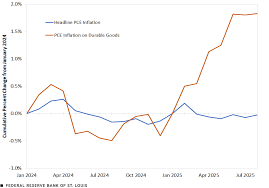
By providing targeted compensation, the payment seeks to restore purchasing power lost to tariff-induced inflation, helping families manage expenses and offset the financial impact of higher prices on essential goods.
Public interest in the program remains high, with media outlets, advocacy organizations, and taxpayer groups closely monitoring developments to understand the potential effect on diverse income levels and household structures.
Transparent administration of the payment program will be critical for maintaining public confidence, ensuring timely distribution, and confirming that eligible families receive appropriate relief according to established guidelines.
Ultimately, the proposed tariff dividend represents an intersection of trade policy and consumer protection, offering a mechanism to mitigate costs while reflecting ongoing debates about equitable economic measures and the role of government in supporting households.
The proposal highlights how revenue generated from tariffs can be redistributed to provide tangible benefits to citizens, demonstrating the direct impact of trade policies on everyday life for millions of Americans.
Eligible households are encouraged to monitor updates from Treasury, IRS, and other federal agencies to understand eligibility requirements, documentation needed, and the expected timing of payments under the program.
While much remains uncertain, policymakers continue to explore methods to implement the initiative effectively, ensuring that funds are distributed equitably and in a timely manner to households affected by prior tariff increases.
If successful, the program could provide meaningful relief for households, particularly those with lower incomes or moderate earnings, offsetting a portion of the $1,745 average cost burden estimated per family over the previous year.
Economists suggest that even partial payments could positively influence household budgets, easing the strain caused by tariffs while supporting economic activity through increased consumer spending across sectors impacted by trade policies.
By combining immediate financial relief with longer-term fiscal considerations, the program aims to balance consumer support, responsible budget management, and economic stability in the face of complex trade policy impacts.
The initiative demonstrates the ways government policy can directly affect everyday finances, emphasizing the importance of carefully designed programs to mitigate unintended consequences of broader economic measures like tariffs.
As lawmakers and administration officials continue to refine payment rules, clear guidance will remain critical to ensuring equitable access for eligible households and preventing delays or errors in distribution.
Ultimately, the proposed tariff dividend is positioned as both a financial support measure for Americans and a tool to offset costs stemming from broader economic policies, reflecting ongoing attention to income fairness and fiscal responsibility.
