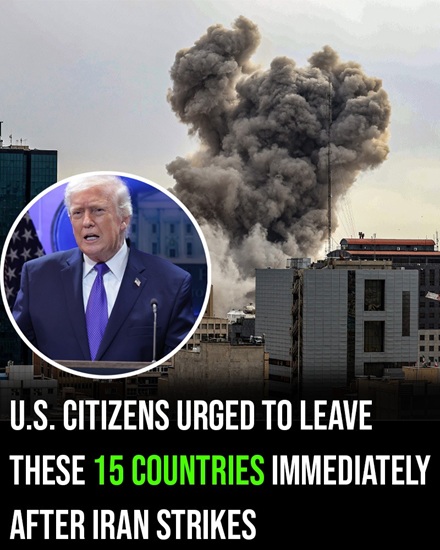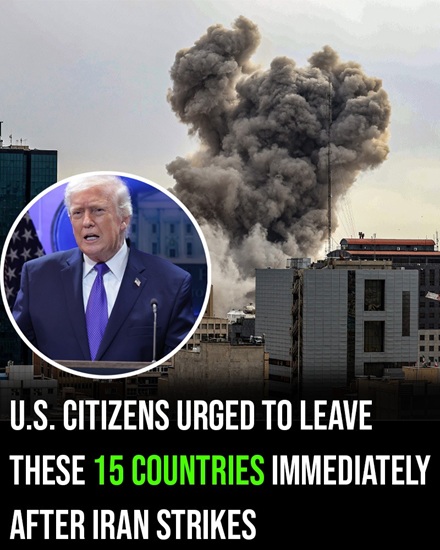
As military and geopolitical tensions surge in the Middle East, the United States Department of State has issued a sweeping and urgent travel advisory for American citizens currently residing in or traveling through the region.
This advisory, among the most serious in recent years, reflects rapidly deteriorating security conditions linked to escalating hostilities between the United States, Israel, and Iran.
American officials are urging U.S. nationals to leave multiple countries immediately while commercial travel remains feasible, emphasizing that conditions could change suddenly, potentially putting civilians at risk.
Background Context: Escalation of Conflict
The advisory comes amid an unprecedented series of military confrontations. In recent weeks, U.S. and Israeli forces conducted a series of targeted strikes within Iranian territory, aimed at disabling military infrastructure and limiting Iran’s ability to conduct further hostile operations in the region.

Iran responded with missile and drone attacks on strategic sites across neighboring countries, including military bases and commercial infrastructure in Iraq, Israel, and Gulf states. These exchanges have intensified the regional security environment, heightening the risk to foreign nationals and disrupting normal civilian life.
Officials within the U.S. Department of State have described the situation as volatile and unpredictable. The scale of military operations, combined with Iran’s demonstrated capacity for retaliatory strikes, has prompted concerns that further escalation could occur without warning.
Analysts note that even indirect incidents, such as drone misfires or accidental targeting of civilian facilities, could rapidly magnify tensions and complicate evacuation efforts for foreign nationals.
Why the U.S. Travel Advisory Was Issued
The U.S. Department of State issues travel advisories to help American citizens assess potential risks abroad and make informed decisions about travel and residence. These advisories are based on a combination of intelligence assessments, diplomatic reports, and on-the-ground information from embassies and consulates. The current advisory represents a significant escalation from previous warnings due to the following factors:
- Heightened Threat of Missile and Drone Strikes: Intelligence reports indicate an increased likelihood of attacks targeting both military and civilian areas across multiple countries, including major urban centers and transportation hubs.
- Airspace Disruptions and Travel Limitations: Commercial airlines have adjusted or suspended flights across affected regions, reflecting both safety concerns and regulatory restrictions on airspace.
- Evacuation of U.S. Government Personnel: Non-emergency personnel and families of U.S. government employees have been ordered to leave certain countries, signaling increased risk levels that may precede broader civil disruptions.
- Regional Instability and Rapidly Changing Conditions: Analysts warn that small incidents could trigger larger conflicts, affecting both residents and visitors.
In early March 2026, the State Department formally updated its guidance, explicitly recommending that American citizens use existing commercial transportation options to depart while they remain operational.
Officials stressed that delaying departure could significantly reduce the likelihood of safe, timely evacuation due to potential airspace closures, transportation disruptions, or sudden escalation of hostilities.
Countries Covered by the Advisory
The advisory covers over a dozen countries and territories in the Middle East, reflecting the interconnected nature of regional security and travel networks. Affected countries include:
- Bahrain
- Egypt
- Iran
- Iraq
- Israel
- West Bank and Gaza
- Jordan
- Kuwait
- Lebanon
- Oman
- Qatar
- Saudi Arabia
- Syria
- United Arab Emirates
- Yemen
Americans are strongly encouraged to depart as soon as possible while commercial options remain viable. The State Department has highlighted that delays could result in being trapped in areas with limited access to safe transportation, as airlines continue to cancel or reroute flights due to airspace closures and regional instability.

Advisory Instructions and Key Safety Recommendations
The travel advisory provides detailed guidance for U.S. citizens, including practical steps to enhance safety:
- Register with STEP (Smart Traveler Enrollment Program): This allows the Department of State to send real-time updates and provide assistance during emergencies.
- Monitor Local Security Updates: U.S. embassies and consulates regularly issue specific guidance for areas within each country. Citizens should follow these updates closely.
- Avoid High-Risk Areas: Americans should stay away from demonstrations, government buildings, military installations, and other locations likely to become conflict zones.
- Plan Departure Proactively: Individuals should secure flights or alternative transportation immediately. Delays could lead to limited options as regional airspace restrictions tighten.
- Follow Local Protocols and Emergency Guidance: Local authorities may impose curfews, movement restrictions, or evacuation procedures in response to threats. Compliance is essential for personal safety.
Evacuation of U.S. Government Personnel Signals Heightened Risk
In tandem with the travel advisory, the U.S. government has issued targeted evacuation orders for non-essential personnel in key countries. These orders serve as a critical indicator of escalating danger:
- The United Arab Emirates, including Dubai and Abu Dhabi, saw orders for non-essential U.S. staff and their families to leave in early March 2026 due to the threat of regional escalation.
- Similar directives were issued for Qatar, Kuwait, Bahrain, Iraq, and Jordan, reflecting widespread concern for safety across multiple states.
- Closure of major U.S. diplomatic facilities, including the U.S. Embassy in Abu Dhabi and the Consulate General in Dubai, underscores the seriousness of the situation and the activation of contingency measures.
These actions are part of standard security protocols when the threat environment reaches levels that could jeopardize the safety of U.S. personnel, and they are often early indicators for private citizens to follow suit.
Regional Transportation and Aviation Challenges
One of the most immediate consequences of the escalating Middle East conflict has been widespread disruption to regional transportation and aviation networks.

Airports in key hubs, including Dubai, Abu Dhabi, Doha, and Riyadh, have either curtailed operations or suspended flights entirely due to airspace restrictions and safety concerns arising from nearby missile and drone strikes.
Air traffic authorities have rerouted or grounded commercial flights to mitigate risks, leaving thousands of travelers, including American citizens, facing sudden cancellations and logistical uncertainty.
Flight-tracking data collected over recent weeks shows a sharp rise in canceled flights across the region. Airlines such as Emirates, Qatar Airways, and Saudia have modified their schedules, with several international carriers temporarily halting flights to Middle Eastern destinations. These measures, while necessary for passenger safety, have created bottlenecks in available travel routes, forcing many travelers to seek alternative arrangements, including:
- Charter Flights: The U.S. government has arranged select charter flights in countries where commercial options are limited. Priority is typically given to U.S. citizens registered with STEP and those identified as vulnerable.
- Overland Travel: Some Americans have opted to travel by road to neighboring countries with functioning airports, though these journeys carry their own risks, including potential checkpoints, road closures, and exposure to military activity.
- Third-Country Airports: Citizens have also considered departing from airports in countries outside the immediate conflict zone, such as Turkey, Cyprus, or European hubs, requiring careful coordination to ensure safe passage.
Authorities warn that delays in arranging travel may drastically reduce options. The combination of airspace closures, high demand, and escalating threats underscores the importance of proactive departure planning.
Experiences of Americans in the Region
Hundreds of thousands of U.S. citizens live or work in the Middle East as expatriates, students, or business professionals. Many now face difficult choices in an environment where commercial travel is restricted, costs are inflated, and safety risks are heightened. Reports from citizens in affected countries describe:
- Stranded Travelers: Some Americans have found themselves unable to secure flights despite intensive efforts, leading to extended stays in hotels or temporary shelters while awaiting assistance from U.S. consular offices.
- High Flight Costs: Limited availability and surging demand for flights have caused ticket prices to skyrocket, making it financially challenging for families and students to leave the region promptly.
- Communication Challenges: While most U.S. embassies provide guidance via email, social media, and emergency hotlines, some citizens report difficulties reaching officials due to high call volumes and rapidly changing conditions on the ground.
- Sheltering in Place: In high-risk areas, particularly near military targets or conflict zones, citizens are advised to remain indoors, maintain emergency supplies, and have a clear evacuation plan should the situation deteriorate further.
Government Response and Coordination
The U.S. Department of State has emphasized that the travel advisory is part of a broader strategy to protect citizens abroad. In addition to issuing guidance, authorities have implemented the following measures:
- Enhanced Embassy Communications: U.S. embassies and consulates are providing real-time updates on security conditions, flight availability, and local emergency measures. Some offices have set up special coordination teams to assist stranded citizens with travel arrangements.
- 24/7 Emergency Assistance: Americans can contact the Department of State’s emergency lines (+1-202-501-4444 or +1-888-407-4747) for urgent support, ranging from evacuation guidance to emergency medical referrals.
- Deployment of Crisis Response Teams: Specialized teams are being mobilized in key countries to coordinate departures, liaise with local authorities, and facilitate safe transit to airports or alternate departure points.
- Monitoring of Regional Stability: Intelligence and diplomatic personnel continuously assess threats, including potential escalation points and areas at risk for targeted attacks, to inform both official policy and citizen guidance.
Secretary of State Marco Rubio has repeatedly emphasized that the “safety and security of U.S. citizens abroad remains the number one priority,” urging Americans to act promptly and decisively in response to the advisory. Officials have highlighted that conditions could deteriorate without notice, reinforcing the need for proactive planning and registration with STEP.

Political Context and Presidential Remarks
Adding complexity to the situation, President Donald Trump publicly commented on the potential duration of the conflict with Iran, suggesting that U.S. and allied military operations could extend for weeks or longer. While these remarks were not part of the official travel advisory, they have influenced public perception and the urgency with which Americans are seeking to leave the region. Key points from the President’s statements include:
- Extended Military Engagement: Trump indicated that operations may not be limited to a short-term campaign, implying prolonged regional instability.
- Impact on Civilians: The President acknowledged that American citizens and allied personnel could face indirect risks from retaliatory actions, even if not directly targeted.
- Coordination with Allies: Emphasis was placed on working closely with Israel and Gulf states to manage both military objectives and the safety of civilians.
Analysts note that while these remarks are political in nature, they reflect real concerns about the unpredictability and duration of the conflict, further reinforcing the importance of adhering to State Department guidance.
Advisory Levels and Risk Assessment
The Department of State categorizes travel advisories using a tiered system to help citizens evaluate potential threats:
- Level 4 – Do Not Travel: Indicates severe risk to personal safety, often encompassing active conflict zones. Countries such as Iran and Iraq currently fall under this highest advisory level.
- Level 3 – Reconsider Travel: Denotes elevated risk, including countries experiencing civil unrest or significant military activity. Israel, the UAE, and several other Gulf nations are currently designated at this level.
- Level 2 and 1: Lower levels typically address crime or natural disaster risks, rather than large-scale armed conflict.
Understanding these levels allows citizens to make informed decisions regarding travel, residency, and evacuation planning. For Americans already in the region, the combination of Level 3 and Level 4 advisories, compounded by real-time threats, underscores the importance of immediate action.
Staying Informed: Real-Time Updates and Communication
In a conflict environment as fluid as the current situation in the Middle East, staying informed is critical. The Department of State strongly advises American citizens to maintain regular communication with both local authorities and U.S. diplomatic channels. Steps for staying informed include:
- Smart Traveler Enrollment Program (STEP): Enrolling in STEP allows Americans to receive real-time alerts, updates on evolving security risks, and direct communication from U.S. embassies or consulates. Registration ensures that officials can reach citizens quickly in emergencies, and it is the primary channel through which the U.S. government coordinates evacuation or assistance efforts.
- Embassy and Consulate Alerts: Each U.S. embassy or consulate maintains dedicated communication platforms, including websites, email alerts, social media, and hotlines. Citizens should check these sources multiple times daily for updates.
- Local Media Monitoring: In addition to U.S. channels, monitoring local news outlets provides insight into sudden developments such as road closures, curfews, or military activity that may not immediately appear in official U.S. advisories.
- Emergency Contact Numbers: Americans are advised to keep the Department of State’s 24/7 emergency lines readily accessible: +1‑202‑501‑4444 (international) or +1‑888‑407‑4747 (within the U.S. or Canada). These lines provide guidance on evacuation, emergency services, and coordination with local authorities.
By combining multiple information sources, U.S. citizens can maximize their situational awareness and make timely, informed decisions.

Planning Safe Departure
With commercial travel increasingly constrained, U.S. officials stress that American citizens should plan departures proactively. Key considerations include:
- Securing Flights: Travelers are encouraged to book available commercial flights immediately, even if the schedule is uncertain, and to remain flexible regarding departure airports.
- Charter Options: Where commercial flights are unavailable, charter flights arranged by the U.S. government provide a vital alternative. Priority is given to registered citizens and those in immediate danger zones.
- Overland Travel: Citizens may consider traveling to neighboring countries with functioning airports; however, these journeys carry risks, including military checkpoints, road hazards, and potential encounters with conflict zones. Travel should only be undertaken with full awareness of local conditions and consular guidance.
- Contingency Planning: Travelers should have backup options, including alternative airports, bus or train routes, and contacts for embassy assistance. Keeping travel documents, passports, and emergency kits readily accessible is essential.
Safety Measures While Awaiting Departure
For Americans who are temporarily unable to leave, the Department of State provides detailed safety guidance:
- Avoiding High-Risk Areas: Stay away from military installations, conflict zones, large demonstrations, and strategic infrastructure targets.
- Sheltering Indoors: Maintain a secure location within a hotel or residence, ideally in areas with reinforced structures and away from windows.
- Emergency Supplies: Stock water, non-perishable food, first aid kits, flashlights, and communication devices to remain self-sufficient in case of localized disruptions.
- Travel Documents and Identification: Keep passports, visas, and other essential identification in a secure, easily accessible location for rapid departure.
- Coordination with Other Citizens: Establish communication with nearby U.S. citizens for mutual support and situational awareness. Local networks can provide vital real-time updates on transportation options or security developments.
Understanding the Broader Regional Context
The current advisory underscores the interconnected nature of Middle Eastern countries and the broader geopolitical environment. Even Americans located outside immediate conflict zones can be affected indirectly due to:
- Airspace Restrictions: Regional airspace closures can delay departures from nearby countries.
- Ripple Effects on Infrastructure: Missile and drone strikes have targeted not only military facilities but also commercial and energy infrastructure, potentially affecting power, water, and telecommunications.
- Potential for Escalation: Analysts warn that isolated incidents, such as attacks on shipping lanes or border skirmishes, could trigger wider military engagement, further complicating civilian safety and travel logistics.
Recognizing these indirect risks is crucial for citizens to understand why proactive evacuation and adherence to official guidance remain a top priority.
International Cooperation and Support
In response to the crisis, the U.S. government is coordinating closely with allied governments and regional authorities. Efforts include:
- Securing Airport Access: Diplomatic channels are being used to maintain temporary access to key airports for evacuation purposes.
- Charter Flight Arrangements: U.S. embassies coordinate with regional governments to facilitate safe, expedited departures where commercial flights are limited.
- Monitoring Safe Transit Routes: Teams assess both overland and maritime routes to ensure citizens can travel to departure points with minimized risk.
- Collaboration with International Airlines: Airlines are being engaged to maximize seat availability, reroute flights away from high-risk zones, and prioritize U.S. citizens when possible.
These coordinated efforts reflect the scale of the advisory and the government’s commitment to minimizing harm to American citizens abroad.
The Takeaway for American Citizens
The overarching message from U.S. authorities is clear: depart now while commercial and charter options remain available. Delaying departure increases exposure to potential danger and significantly reduces the likelihood of safe, timely evacuation. Key points for citizens include:
- Act Immediately: Use available flights or other transportation options as soon as possible.
- Register and Stay Informed: Enrollment in STEP and monitoring embassy alerts are critical.
- Follow Local Guidance: Emergency instructions, curfews, and security advisories issued by local authorities should be strictly observed.
- Prioritize Personal Safety: Avoid high-risk areas, maintain emergency supplies, and prepare for sudden escalation.
- Maintain Communication: Keep in touch with U.S. consular services and family members for updates and assistance.
Conclusion: A Pivotal Moment for Travelers
The U.S. Department of State’s urgent advisory represents one of the most serious travel warnings in recent history, emphasizing both the severity of the Middle East conflict and the unpredictability of its trajectory.
By urging American citizens to leave multiple countries while commercial travel remains viable, officials aim to reduce risk, preserve civilian safety, and ensure that citizens can navigate the complex logistical challenges of evacuation.
While military operations continue and the broader geopolitical situation evolves, Americans in the region are encouraged to act decisively. Whether through commercial flights, government-facilitated charters, or carefully planned overland travel, the consistent guidance is to depart now while options remain available, stay informed through official channels, and prioritize safety above all else.
In the coming days and weeks, U.S. authorities will continue to update advisories, facilitate departures, and monitor the situation closely. For citizens abroad, adherence to these instructions is not only a matter of convenience but a critical measure to safeguard life amid one of the most tense and uncertain periods in recent Middle Eastern history.