
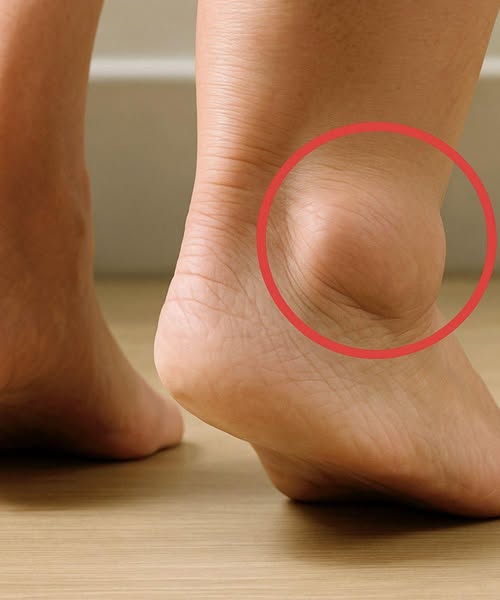
Swollen feet, medically referred to as edema, are a common concern among older adults and can range from a mild, temporary inconvenience to a sign of more serious underlying health problems.
Edema occurs when excess fluid accumulates in the tissues, most often in the lower legs, ankles, and feet.
While it is normal for some mild swelling to occur after long periods of standing, sitting, or traveling, persistent or recurrent swelling should not be ignored. Understanding why swelling happens, what health risks may be involved, and how to prevent it is essential for maintaining comfort, mobility, and overall health as we age.
As people grow older, changes in the circulatory system and the body’s ability to regulate fluids can make the feet and lower legs more prone to swelling. Circulation naturally slows with age, which can cause blood and other fluids to pool in the lower extremities. Gravity also plays a role: since blood and lymph fluid must travel upward from the feet to the heart, any inefficiency in circulation can lead to visible swelling. For many older adults, this may manifest as legs that feel heavy, tight, or achy, and skin that appears stretched, shiny, or puffy around the ankles.
Several medical conditions contribute to foot swelling in older adults. One of the most common is poor circulation, which can occur when a person remains seated or standing for long periods. Without regular movement, blood flow slows, and fluid begins to accumulate in the lower extremities. Another significant factor is chronic venous insufficiency (CVI), a condition in which the veins in the legs struggle to return blood efficiently to the heart. CVI can cause persistent swelling, pain, skin discoloration, and even ulcers if left untreated. In these cases, swelling may worsen throughout the day and improve temporarily after resting with the feet elevated.
Medications also play an important role in edema among older adults. Many drugs used to treat chronic conditions can cause fluid retention as a side effect. For example, medications for high blood pressure (such as calcium channel blockers), certain diabetes medications, anti-inflammatory drugs, and steroids may all increase the likelihood of swelling. It is important for patients to discuss any concerns about foot swelling with their healthcare provider, as adjustments to medication or dosages may be necessary.
In addition to circulation and medications, swollen feet can sometimes indicate more serious health issues. Conditions affecting the heart, kidneys, or liver can all lead to fluid buildup. For example, heart failure can cause the body to retain fluid because the heart is unable to pump blood effectively. Similarly, kidney disease can impair the body’s ability to remove excess water and sodium, resulting in swelling. Liver disease, particularly cirrhosis, can also lead to fluid accumulation in the legs and abdomen. Because of these possibilities, persistent or severe swelling should always be evaluated by a medical professional to rule out serious conditions.
Lifestyle and daily habits can further influence the severity of foot swelling. Limited physical activity slows circulation, making fluid retention more likely. Long periods of sitting, such as during flights, car trips, or desk work, can cause swelling to worsen.
Diet is another key factor; excessive salt intake increases water retention, contributing to puffiness in the feet and ankles. Conversely, diets rich in potassium—found in foods such as bananas, spinach, and sweet potatoes—can help balance fluids in the body. Maintaining a healthy weight and avoiding prolonged periods of inactivity are also essential strategies to reduce the risk of edema.
Early signs of swelling can sometimes be subtle but should not be ignored. Older adults may notice that shoes feel tighter than usual, socks leave deeper indentations, or that ankles appear puffy at the end of the day. In addition to these visual cues, swelling can be accompanied by discomfort, heaviness, or a dull aching sensation. Recognizing these signs early can help prevent complications and allow for timely intervention with lifestyle changes or medical treatments.
Managing swollen feet effectively involves a combination of understanding the underlying causes, making healthy lifestyle adjustments, and seeking professional care when necessary. While mild swelling can often be alleviated with simple strategies, persistent or rapidly worsening swelling may indicate a medical problem that requires diagnosis and treatment. By paying attention to both daily habits and potential health risks, older adults can maintain better mobility, reduce discomfort, and improve overall quality of life.
Preventing and managing swollen feet in older adults involves a combination of lifestyle adjustments, dietary considerations, proper footwear, and regular movement. While medical conditions can sometimes be the primary cause of edema, many cases can be improved significantly with simple, consistent daily practices. Understanding the variety of strategies available allows older adults to maintain comfort, mobility, and independence while reducing the risk of complications.
1. Regular Physical Activity and Circulation Support
One of the most effective ways to prevent fluid buildup in the lower extremities is through regular movement and exercise. Physical activity stimulates blood flow, supports the venous system, and encourages lymphatic drainage. Even moderate exercises performed consistently can make a significant difference. Some effective strategies include:
- Walking: Short walks several times a day help circulate blood from the legs back to the heart, reducing fluid accumulation. A gentle 10–20 minute walk after meals or in the morning and evening can improve circulation substantially.
- Leg Elevation Exercises: Elevating the feet above heart level for 15–30 minutes, several times a day, can help fluid return to the upper body. Simple exercises such as lying on the back and resting the legs on pillows, or placing feet on a wall while seated, are effective.
- Ankle and Foot Mobility: Flexing and extending the ankles, rotating feet, or performing seated “ankle pumps” helps activate calf muscles, which function as a natural pump to move blood upward. Doing this multiple times per day, especially after sitting for long periods, can reduce swelling.
- Low-Impact Exercises: Swimming, cycling on a stationary bike, and gentle yoga poses are excellent for promoting circulation without putting undue stress on the joints. Older adults with arthritis or joint concerns often benefit from these types of exercises, which combine mobility and cardiovascular support.
Consistency is key. Even small amounts of activity repeated daily can prevent swelling from worsening and improve overall leg health.
2. Foot and Leg Elevation Techniques
Elevating the feet above heart level is a simple yet highly effective strategy to combat edema. Proper elevation:
- Helps drain excess fluid accumulated in the lower legs.
- Reduces pressure on veins in the ankles and feet.
- Improves comfort and mobility after long periods of standing or sitting.
Tips for effective elevation include:
- Using firm pillows to elevate legs while lying down.
- Avoiding prolonged crossing of the legs, which can restrict blood flow.
- Incorporating breaks during travel or desk work to lift the feet periodically.
- Pairing elevation with gentle stretching to encourage muscle activity and venous return.
For individuals who experience frequent swelling, elevating the feet at the end of each day or after exercise can prevent fluid from pooling overnight.
3. Supportive Footwear and Compression Therapy
Proper footwear can prevent additional strain on the feet and help reduce swelling and discomfort. Older adults should look for shoes that:
- Fit comfortably without pinching or compressing the toes.
- Have a supportive sole and cushioning to reduce pressure on the arches and heels.
- Accommodate mild swelling without causing tightness or restricting circulation.
Compression socks or stockings are another highly effective tool for managing edema. These garments:
- Provide gentle, consistent pressure that supports veins in returning blood to the heart.
- Can prevent fluid from pooling in the lower legs during long periods of sitting or standing.
- Come in various compression levels; medical guidance is recommended to choose the correct type and pressure level.
When used correctly, compression therapy can reduce swelling, alleviate discomfort, and even help prevent the development of more serious venous conditions.
4. Dietary Adjustments for Fluid Balance
Diet plays a significant role in managing edema. Foods high in sodium cause the body to retain water, which can worsen swelling in the feet and ankles. Older adults are advised to:
- Limit salt intake by avoiding heavily processed foods, canned soups, fast food, and high-sodium snacks.
- Increase potassium intake, which can help balance fluid levels in the body. Potassium-rich foods include bananas, oranges, avocados, sweet potatoes, spinach, and beans.
- Stay hydrated, as paradoxically, adequate water intake helps the body regulate fluid retention more effectively. Dehydration can actually worsen edema.
- Consider balanced, low-sodium meals rich in fruits, vegetables, lean proteins, and whole grains. A dietitian can provide personalized guidance, especially for individuals with heart, kidney, or liver conditions.
By focusing on these dietary habits, older adults can support healthy fluid balance and reduce the frequency and severity of swelling.
5. Lifestyle Habits to Minimize Swelling
In addition to exercise and diet, daily habits can greatly impact swelling. Recommendations include:
- Avoiding prolonged sitting or standing: Stand up, walk around, or perform light stretching every 30–60 minutes.
- Weight management: Excess body weight places additional pressure on the veins in the legs, which can exacerbate edema. Maintaining a healthy weight supports both circulation and joint health.
- Sleep position adjustments: Elevating legs slightly during sleep can help prevent fluid accumulation overnight.
- Foot care and skin monitoring: Swelling can sometimes lead to skin issues, such as dryness, redness, or even ulcers. Regular inspection and moisturizing help maintain skin integrity.
These small but consistent changes can have a meaningful impact on swelling, comfort, and overall leg health.
While lifestyle adjustments, diet, exercise, and supportive footwear can significantly reduce swelling, persistent or severe edema may require professional medical evaluation. Understanding when to seek help, what treatments are available, and how to manage swelling long-term is essential for older adults to maintain comfort, mobility, and overall health.
1. When to Seek Medical Attention
Not all foot swelling is benign. While occasional, mild swelling after standing or walking may be normal, certain signs indicate that medical assessment is necessary. Older adults should contact a healthcare professional if they notice:
- Persistent swelling that does not improve with elevation or rest.
- Rapidly worsening swelling over hours or days.
- Pain, redness, warmth, or tenderness, which could indicate a blood clot or infection.
- Skin changes, including ulcers, dark discoloration, or thickened skin around the ankles.
- Shortness of breath, chest pain, or fatigue, which may suggest heart-related fluid retention.
Early evaluation is crucial, as timely intervention can prevent complications, improve quality of life, and address potentially serious underlying conditions.
2. Diagnostic Evaluation
Healthcare providers use a combination of medical history, physical examination, and diagnostic tests to identify the cause of foot swelling. Key aspects include:
- Medical History: Physicians review medications, chronic conditions, lifestyle factors, and the pattern of swelling (e.g., time of day, duration, symmetry).
- Physical Examination: Doctors examine the legs, ankles, and feet for signs of fluid retention, skin changes, and vein health.
- Laboratory Tests: Blood tests can assess kidney, liver, and heart function to detect systemic causes of edema.
- Imaging Studies: Ultrasound may be used to evaluate blood flow in the veins (to detect venous insufficiency or blood clots), while echocardiography can assess heart function.
This thorough evaluation ensures that the root cause is accurately identified, allowing for targeted treatment rather than merely addressing symptoms.
3. Medical Treatments
Depending on the underlying cause, medical treatment for swollen feet may include:
- Diuretics (Water Pills): These medications help remove excess fluid from the body and are often used in cases related to heart, kidney, or liver conditions.
- Venous Treatments: For chronic venous insufficiency, doctors may recommend procedures such as vein ablation, sclerotherapy, or surgical intervention to improve blood flow.
- Medication Adjustments: If certain drugs contribute to edema, a physician may adjust the dosage or prescribe alternative medications.
- Physical Therapy: Targeted exercises and manual lymphatic drainage can improve circulation and reduce swelling.
- Compression Therapy: Medical-grade compression stockings or wraps can provide ongoing support for chronic swelling, especially in individuals with venous disorders.
It is essential that treatments are tailored to the individual, taking into account age, comorbidities, and overall health status. Self-medicating or using over-the-counter diuretics without medical guidance can be dangerous and is strongly discouraged.
4. Long-Term Management Strategies
Older adults with recurring or chronic foot swelling benefit from a comprehensive, long-term management plan that combines medical oversight with daily lifestyle practices. Key strategies include:
- Ongoing Physical Activity: Maintaining a routine of gentle exercises, stretching, and walking promotes consistent circulation and prevents fluid accumulation.
- Daily Foot Elevation: Incorporating regular elevation sessions, particularly after long periods of sitting or standing, helps manage swelling.
- Nutritional Awareness: Continuing a low-sodium, potassium-rich diet supports fluid balance and reduces the strain on the circulatory system.
- Routine Medical Checkups: Regular visits to a primary care physician or vascular specialist ensure early detection of new or worsening conditions.
- Foot and Skin Care: Moisturizing, inspecting the skin, and managing calluses or minor injuries can prevent complications like ulcers or infections.
- Hydration: Maintaining adequate water intake aids in the natural regulation of fluid retention, countering the paradoxical effects of dehydration.
Long-term consistency is critical. Combining medical treatment with these daily habits provides the best outcomes in reducing swelling, preventing complications, and improving comfort.
5. Recognizing Warning Signs of Serious Conditions
Foot swelling can sometimes signal life-threatening health issues, so older adults and caregivers should be aware of red-flag symptoms:
- Sudden, severe swelling in one leg may indicate a deep vein thrombosis (blood clot), requiring immediate medical attention.
- Swelling accompanied by shortness of breath, fatigue, or rapid weight gain can suggest heart failure.
- Persistent swelling with jaundice (yellowing of the skin or eyes) may be related to liver disease.
- Edema with reduced urine output or foamy urine could indicate kidney problems.
Awareness of these warning signs ensures that serious conditions are addressed promptly, potentially preventing hospitalization or long-term complications.
6. Supporting Mobility and Quality of Life
Swollen feet can affect mobility, independence, and overall well-being. Older adults can improve quality of life through:
- Ergonomic adjustments: Using supportive chairs, footrests, or mobility aids to reduce strain.
- Adaptive footwear: Shoes with wide toe boxes, cushioned soles, and adjustable fastenings accommodate swelling comfortably.
- Regular movement breaks: Even small stretches or ankle rotations every hour can maintain circulation during sedentary activities.
- Monitoring progress: Keeping a diary of swelling patterns, triggers, and improvement strategies helps identify what works best and informs medical consultations.
By integrating these practical strategies with professional guidance, older adults can maintain active lifestyles and reduce discomfort associated with edema.
Conclusion: Maintaining Healthy Feet and Legs in Older Age
Swollen feet are a common, yet often manageable, condition among older adults. While mild swelling can be a normal consequence of aging or temporary inactivity, persistent or severe edema may indicate underlying health issues that require attention. By understanding the causes, recognizing early signs, adopting preventive lifestyle strategies, following a balanced diet, and seeking timely medical care, older adults can reduce swelling, protect their circulatory and musculoskeletal health, and maintain comfort and mobility.
Combining exercise, foot elevation, supportive footwear, compression therapy, nutritional management, and medical oversight provides a comprehensive approach to managing edema. Awareness, consistency, and proactive care are key. Ultimately, addressing foot swelling is not only about comfort—it’s about safeguarding long-term health and preserving independence in older age.
