
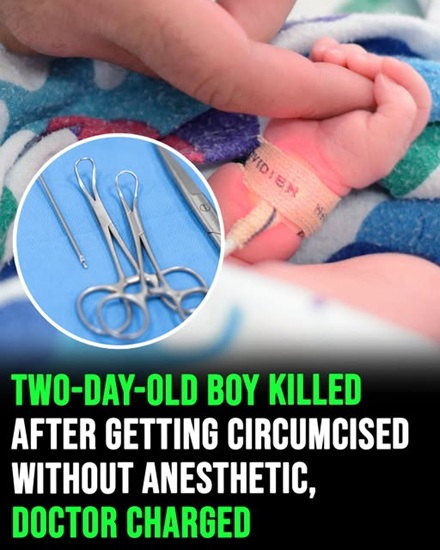
A shocking and heartbreaking incident has emerged from California, where a newborn baby boy tragically died just two days after being circumcised at a private medical clinic.
Families and communities nationwide are deeply affected. The baby, named Charles in court documents, underwent a circumcision procedure performed by Dr. Hong-An Jan at South Coast Global Medical Center in Santa Ana.
Reports indicate the procedure went wrong almost immediately after it began. Authorities allege that Dr. Jan administered an incorrect drug to the newborn during the procedure.
Instead of a local anesthetic typically used for such operations, the infant was allegedly given a potent narcotic, which may have directly contributed to his decline.

Following the circumcision, Charles’s parents noticed alarming signs in their newborn. He became extremely lethargic, refused to feed properly, and displayed unusual weakness, prompting immediate concern from the family.
The parents returned to the clinic to report their baby’s deteriorating condition. According to a civil lawsuit, Dr. Jan reassured them that these post-circumcision symptoms were normal, without performing any tests or taking blood samples to assess the child’s condition.
Court documents state that Dr. Jan “observed the symptoms symptomatic of opiate substances” but failed to order laboratory studies. The lawsuit alleges the doctor ignored clear warning signs that the newborn was suffering from a severe reaction.
Despite the parents’ repeated pleas, they were sent home without proper evaluation. Tragically, Charles stopped breathing the following day. Emergency medical teams were called, but the infant could not be revived and passed away shortly after arrival at the hospital.
An autopsy later revealed that Charles’s cause of death was bronchopneumonia linked to drug intoxication. Investigators described the circumstances as “negligent and preventable,” suggesting that prompt medical intervention could have saved his life.

Dr. Hong-An Jan has now been criminally charged with involuntary manslaughter. He has publicly denied all allegations and entered a plea of not guilty, with the case pending in the California legal system.
Meanwhile, the parents have filed a civil lawsuit against Dr. Jan and South Coast Global Medical Center, alleging medical malpractice and wrongful death. Their suit emphasizes that timely intervention could have prevented the tragedy.
In response to the allegations, Dr. Jan’s medical license has been suspended. Regulatory authorities are reviewing the case to determine whether procedural failures contributed to the infant’s death.
This incident has sparked broader discussions about safety during newborn circumcision procedures. Experts stress that even routine medical procedures carry risks, particularly when anesthetics and potent medications are involved.
Medical professionals highlight that proper monitoring and immediate recognition of adverse reactions are essential for newborns undergoing surgery. Failure to do so can lead to severe, irreversible outcomes.
The tragedy also underscores the importance of transparent communication between healthcare providers and parents. Families must be informed of warning signs and potential risks to make timely decisions regarding medical care.

Charles’s case has drawn attention from advocacy groups calling for stricter regulations in private clinics that perform neonatal procedures. These organizations emphasize that safeguards must be implemented to protect the most vulnerable patients.
Community members have expressed condolences to the family, sharing grief and support. Many highlight the preventable nature of the death and the need for systemic reforms in newborn medical care.
Legal experts note that the combination of criminal charges and civil litigation is likely to result in extended proceedings. Both criminal and civil courts will examine the actions of Dr. Jan, the clinic, and oversight procedures in depth.
Medical malpractice lawyers explain that this case illustrates how failures in protocol, medication handling, and patient evaluation can have devastating consequences. They stress that accountability is essential for preventing similar tragedies.
Authorities are also examining clinic protocols for emergency response and medication administration. The investigation seeks to ensure that mistakes of this magnitude are not repeated in other medical settings.
The case has ignited discussions about parental rights, informed consent, and regulation of minor surgical procedures. Advocates argue that families should have clear oversight and protection when consenting to neonatal surgeries.

Charles’s parents remain central to the legal and public conversation, emphasizing the need for accountability and justice. Their advocacy has prompted dialogue about patient safety, legal responsibility, and healthcare ethics nationwide.
Medical boards are reviewing existing guidelines for circumcision procedures in infants. Experts recommend updated training, stricter monitoring standards, and clear emergency protocols to prevent similar avoidable deaths.
The community has begun educational campaigns to raise awareness about newborn care, post-procedure monitoring, and medication safety. These efforts aim to equip parents with knowledge to recognize potential complications.
As criminal and civil cases progress, medical professionals and the public are paying close attention. The situation highlights the critical need for vigilance in neonatal care and the importance of following strict medical standards.

The tragic death of Charles emphasizes how delicate and fragile newborns are, and the profound responsibility placed on healthcare providers to ensure their safety during any medical procedure.
Families and advocacy groups call for systemic improvements in oversight, medication safety, and parental communication. Charles’s passing serves as a reminder of the consequences of negligence in infant medical care.
This heartbreaking story continues to unfold as authorities investigate every detail, including medication handling, clinical procedures, and responses to emergency signs. The case underscores both the fragility of newborns and the responsibility of medical professionals.
Rest in peace, little Charles. Your life, though tragically short, has drawn attention to vital safety standards and may inspire stronger protections for infants undergoing medical care in the future.
