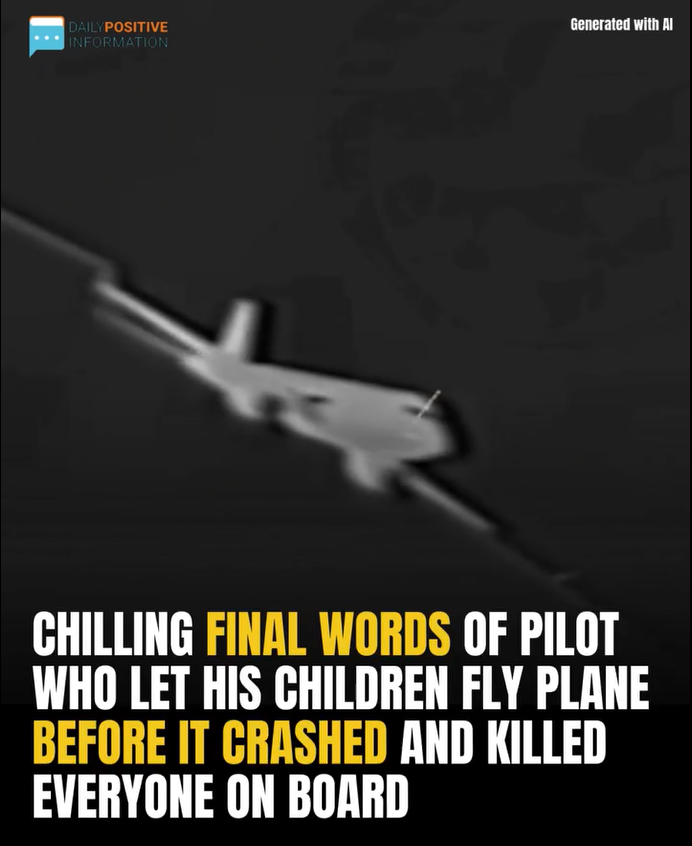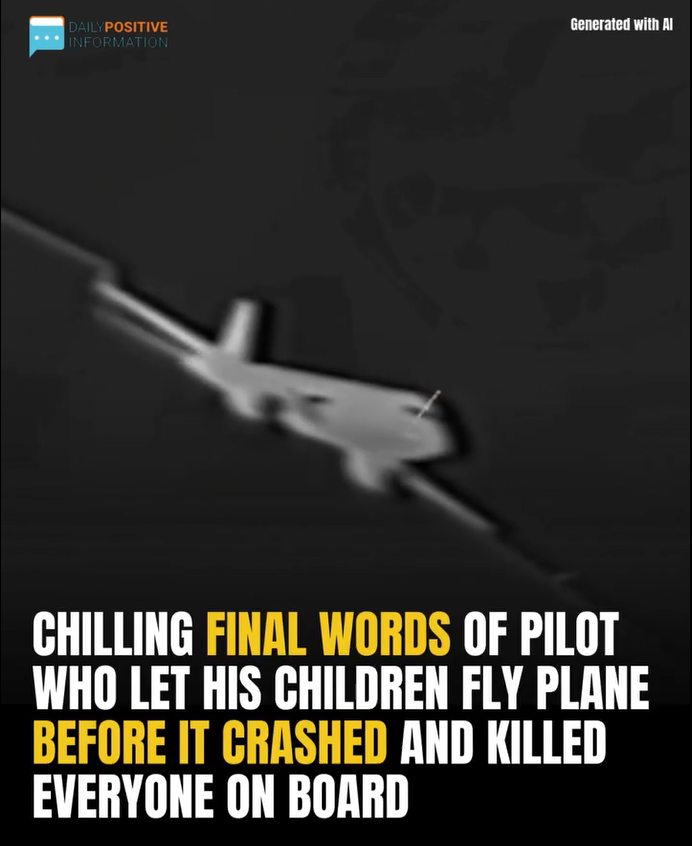
On 23 March 1994, Aeroflot Flight 593, a scheduled passenger flight operated by Aeroflot – Russian International Airlines.
Embarked on a routine journey from Sheremetyevo International Airport (SVO) in Moscow, Russia, to the iconic yet operationally challenging Kai Tak Airport (HKG) in Hong Kong.
The aircraft involved, an Airbus A310‑304, registration F‑OGQS, was a modern wide‑body airliner, designed to carry hundreds of passengers safely over long distances with advanced flight automation systems typical of the early 1990s.
Despite its technological sophistication, Flight 593 would tragically end in disaster, claiming the lives of all 75 people on board — 63 passengers and 12 crew members — when it crashed into a remote, heavily forested section of the Kuznetsk Alatau mountain range near Mezhdurechensk, in Kemerovo Oblast, Siberia.
This accident shocked the aviation community, not only because of the total loss of life but also due to the highly unusual and preventable sequence of events that led to the crash, documented in extraordinary detail by both the cockpit voice recorder (CVR) and the flight data recorder (FDR).
The Aircraft and Crew
The Airbus A310‑304 involved in Flight 593 was one of the relatively new aircraft in the Aeroflot fleet at the time, equipped with fully digital avionics, an autopilot capable of controlling pitch, roll, and yaw, and advanced flight management systems (FMS) intended to reduce pilot workload during long-haul operations. The aircraft was properly maintained, with no prior mechanical or structural issues reported, which meant that the investigation would soon focus heavily on human factors.
The flight crew consisted of three highly experienced and trained pilots:
- Captain Andrey Viktorovich Danilov, the senior pilot with extensive command experience on both Soviet-era Tupolev and modern Western aircraft,
- First Officer Igor Vasilyevich Piskaryov, an accomplished co-pilot with significant hours logged in multi-engine jets, and
- Relief Captain Yaroslav Vladimirovich Kudrinsky, a seasoned aviator who was traveling with his family on the flight and acting in a supervisory or backup capacity during cruise.
All three were regarded as competent professionals, trained according to Soviet aviation standards, which emphasized procedural discipline and adherence to checklists. However, their experience was primarily with Soviet-designed aircraft, which differed in warning systems, cockpit ergonomics, and automation philosophy compared to Western aircraft like the Airbus A310.
A Decision That Defied Standard Protocols
During the flight’s cruise phase at flight level 330 (33,000 feet), Relief Captain Kudrinsky made a decision that would ultimately set the stage for disaster. He invited his two children — 13-year-old daughter Yana and 15-year-old son Eldar — into the cockpit. The intention was seemingly harmless: he wanted to allow his children to experience what it felt like to “fly” a modern airliner, perhaps for educational or personal reasons.

However, this decision violated multiple layers of aviation safety regulations. International and Aeroflot-specific protocols strictly prohibit passengers from occupying the flight deck during active flight operations.
Such rules exist not only to prevent distractions but also to ensure that only trained, certified crew members have access to aircraft controls, which at cruising speeds can respond to minute and potentially dangerous inputs. Even when cockpit access is allowed on the ground or during taxiing, strict procedures ensure that no unauthorized person manipulates the controls or interferes with the pilots’ operational focus.
Initially, Yana was allowed to sit in the captain’s left-hand seat, the primary control position, while the autopilot remained engaged. Kudrinsky reportedly adjusted the autopilot subtly to give the impression that the aircraft was responding to Yana’s “steering,” creating a visual but entirely illusory sense of control. While this moment seemed uneventful, it set a precedent for his son Eldar to later take the same position, unaware of the critical safety distinctions between engaging the autopilot and manually manipulating the controls.
Autopilot Disengagement and the Onset of Danger
When Eldar moved to the captain’s seat, he began to apply direct force to the control column. The Airbus A310’s autopilot system, sophisticated yet sensitive, is designed to automatically disengage specific functions if manual inputs exceed certain thresholds. In this case, lateral (aileron) control was disengaged after approximately 30 seconds of conflicting input between the autopilot and Eldar’s manipulation.
A small visual warning light illuminated on the instrument panel to indicate partial autopilot disengagement. Unlike older Soviet aircraft, which relied heavily on audible warnings, the Airbus system used silent visual cues. The flight crew, accustomed to loud alarms for alerting them to critical events, failed to notice this subtle indicator in time — a gap in situational awareness that would prove catastrophic.
As the lateral autopilot disengaged without immediate recognition, the aircraft began a gradual right bank. Initially subtle, the bank angle increased steadily as the aircraft drifted into a dangerous lateral orientation. By the time the flight crew understood the situation, the bank angle had approached 90 degrees, far beyond safe limits for cruise flight, causing the nose to drop and initiating a steep, uncontrolled descent.
After the autopilot’s lateral control disengaged, Flight 593 began an insidious and increasingly dangerous sequence of events. The aircraft’s bank angle gradually increased as the autopilot continued to maintain pitch and vertical navigation while lateral stabilization had shifted to manual control — a state unfamiliar to the crew. This partial automation mismatch is known in aviation safety studies as a “mode confusion” scenario, where pilots assume systems are fully engaged when in fact only some functions remain active.
Relief Captain Kudrinsky and the other pilots initially attempted to assess the situation. The Airbus A310, though designed to be highly stable and forgiving under normal conditions, reacts sharply to control inputs at high cruise speeds. Even small, inadvertent lateral deflections can initiate a rapid roll if not promptly corrected. In Flight 593, Eldar’s continued contact with the control column, though unintentional, exacerbated the bank, introducing a subtle yet compounding error that the crew initially underestimated.

Cockpit voice recorder transcripts reveal moments of confusion and alarm: Kudrinsky repeatedly urged his son to move away from the controls, with tense exclamations that demonstrate the human struggle to manage an aircraft while also addressing the unexpected presence of a minor in the cockpit. His words, “Eldar, get away. Go to the back! You see the danger, don’t you? Go away!” underline both the immediacy of the threat and the distraction created by a family member in the control seat — a distraction entirely outside normal operating expectations.
Attempts at Recovery and Over-Correction
Once the crew recognized the autopilot’s partial disengagement and the developing extreme bank, they moved quickly to regain control. This required manual inputs on the control column to counteract the steep roll. However, the situation rapidly escalated due to several compounding factors:
- High bank angle at high altitude: A bank angle approaching 90 degrees drastically reduces lift, and the aircraft’s wings could no longer sustain level flight. At cruising speeds, the margin for error in lateral corrections is narrow.
- Disorientation under stress: Pilots trained on Soviet aircraft often relied on auditory cues for warnings. The absence of such alarms on the Airbus led to a delayed recognition of system status, causing slower response times and less effective corrective action.
- Over-correction phenomena: In attempting to arrest the roll and regain level flight, the crew applied forceful and abrupt control inputs, causing the aircraft to climb steeply. This sudden change in angle of attack, combined with the high bank and airspeed changes, led the A310 into a deep aerodynamic stall — a situation where the wings could no longer generate sufficient lift to support the aircraft’s weight.
A stall at cruising altitude is inherently recoverable in modern aircraft with proper training and procedure. However, Flight 593’s combination of low-altitude terrain proximity, high-stress conditions, and partial automation confusion left little margin for effective recovery.
The Spin and Final Descent
Once the stall developed, the Airbus entered a spin-like motion, where one wing lost lift faster than the other, causing the aircraft to rotate around its vertical axis while continuing to descend. The crew applied standard stall recovery procedures: reducing the angle of attack, applying thrust, and attempting to level the wings. Yet the persistent disorientation and the lack of real-time understanding of the autopilot’s partial disengagement made coordinated recovery extremely difficult.
During these moments, the cockpit voice recorder captured increasingly desperate communications among the crew. The relief captain issued repeated commands, first to his son and then to the flight crew, as they struggled against the compounding aerodynamic forces. The tension in these recordings offers a rare and sobering window into how human factors — stress, distraction, and fatigue — interact with highly automated systems in extreme circumstances.
Unfortunately, the aircraft’s proximity to the mountainous terrain of the Kuznetsk Alatau range eliminated any margin for error. Unlike an ocean or flat plains scenario, where additional altitude might have allowed more recovery time, the steep, forested terrain below meant that every second counted. At approximately 00:58 local time, the aircraft impacted the slope of a remote mountain ridge near Mezhdurechensk, killing all 75 people on board instantly. The combination of extreme bank, low altitude, and high-speed descent made the collision unsurvivable.
Human Factors and Contributing Circumstances
The investigation by Russian aviation authorities, assisted by international safety experts, concluded that the crash was entirely preventable. No mechanical failure or sabotage was detected. Instead, a series of human errors and procedural lapses led to the disaster:
- Unauthorized cockpit access: Allowing minors to occupy the flight deck violated clear safety rules and exposed the aircraft to uncontrolled input. This is now considered one of the most critical human factors in the crash sequence.
- Autopilot disengagement and mode confusion: The Airbus A310’s sophisticated systems respond to manual control inputs in ways unfamiliar to pilots trained primarily on Soviet aircraft. The partial autopilot disengagement created a hybrid state that the crew misinterpreted, delaying corrective action.
- Inadequate warning recognition: The Airbus relied on visual cues for some warnings, whereas Soviet aircraft traditionally provided auditory alerts. This led to a failure to notice the autopilot disengagement in a timely manner.
- Stress-induced misjudgment and over-correction: Faced with rapidly changing flight conditions, the crew’s manual inputs to correct the roll inadvertently induced a stall. Research into human factors highlights that under high-stress scenarios, even experienced pilots are susceptible to over-compensation, particularly when coping with conflicting automation states.
- Limited Airbus experience: Although the pilots were skilled aviators, their experience with Airbus automated systems was limited, and they were less familiar with the cockpit alerting philosophy, which differed significantly from Soviet aircraft norms.
Immediate Aftermath
In the hours following the crash, Aeroflot initially withheld the full details about the presence of the children in the cockpit, likely due to the potential for public outrage and legal repercussions. However, subsequent publication of cockpit voice recorder transcripts revealed the truth: the sequence of events was directly linked to the unauthorized cockpit access and the inadvertent disengagement of the autopilot.

The revelations sparked global debate within the aviation community about cockpit discipline, access rules, and pilot training for automated systems. Flight 593 became a case study for the dangers of allowing non-essential personnel into the cockpit and the critical importance of automation management training, particularly as airlines around the world increasingly adopted highly automated Western aircraft in fleets traditionally composed of Soviet-era planes.
Following the disaster, the Russian Interstate Aviation Committee (IAC) — the primary authority responsible for civil aviation accident investigation in Russia — launched a comprehensive inquiry into the causes of Flight 593. Investigators were granted access to both the flight data recorder (FDR) and the cockpit voice recorder (CVR), which provided a meticulous, second-by-second record of the aircraft’s behavior and the crew’s actions in the cockpit.
The data revealed a startlingly clear chain of events:
- Autopilot Disengagement: The FDR confirmed that the lateral autopilot disengaged when Eldar inadvertently applied force to the control column. The autopilot system was designed to remain engaged only under stable conditions; significant manual inputs trigger a safety override to prevent conflicting control commands.
- Partial Automation Confusion: The pilots did not immediately recognize that the autopilot had disengaged for lateral control while maintaining vertical stabilization and pitch control. This created a partial automation state that is now widely referenced in aviation safety literature as a critical mode awareness failure — a situation where pilots are unaware of which systems are active, partially active, or disengaged.
- Warning System Limitations: The investigation highlighted a crucial human factors issue: the Airbus’s reliance on silent visual indicators for autopilot status changes conflicted with the Soviet-trained pilots’ expectations of audible alarms. Investigators emphasized that cultural and procedural differences in cockpit alerting philosophy played a key role in the delayed recognition of the developing crisis.
- Pilot Inputs and Stall Dynamics: The FDR confirmed that the flight crew’s recovery attempts, although executed with professional skill, inadvertently over-corrected the aircraft’s attitude. These inputs caused a high-angle-of-attack condition, triggering a stall and subsequent spin that the aircraft could not recover from due to proximity to the mountainous terrain.
- Procedural Violations: Investigators underscored that unauthorized cockpit access was the initiating factor. While minor children had no intention to interfere with flight operations, their presence in the cockpit introduced an unregulated variable that directly led to the autopilot disengagement and loss of situational control.
The final report emphasized that no technical fault or mechanical failure contributed to the accident. Modern aircraft are designed with redundant systems and multiple safeguards to prevent accidents from isolated failures. In this case, the root cause was a combination of human error, procedural violations, and misinterpretation of advanced automation systems.
Official Conclusions
The IAC report ultimately concluded that Flight 593 was a preventable accident, the result of multiple overlapping human factors:
- The decision to allow minors into the cockpit during flight violated standard safety regulations.
- The crew’s limited familiarity with Airbus automated systems increased susceptibility to mode confusion.
- The partial disengagement of the autopilot went unnoticed because pilots relied on auditory cues rather than visual alerts.
- Emergency maneuvers under extreme stress led to over-correction and a stall at low altitude.
- The disaster was not caused by mechanical failure, weather conditions, or external interference.
Investigators strongly recommended reinforced training for pilots transitioning from Soviet-era aircraft to Western automated systems, emphasizing automation management, situational awareness, and strict adherence to cockpit discipline.

Public Reaction and Media Coverage
The Aeroflot Flight 593 tragedy drew global attention and widespread media coverage. Initial reports by Russian news agencies provided limited information, which led to speculation about potential mechanical failures or sabotage. Once the cockpit voice recorder transcripts were released months later, the full story of the children in the cockpit and the ensuing chain of events became publicly known, generating intense debate:
- Aviation Experts criticized the lax enforcement of cockpit access policies and the insufficient training on automated systems.
- Families of the Victims expressed outrage at Aeroflot’s initial reluctance to disclose the cockpit circumstances, highlighting a perceived attempt to shield the airline from accountability.
- International Media analyzed the crash as a cautionary tale, emphasizing the dangers of human factors in highly automated flight environments.
The story was widely referenced in aviation documentaries, including an episode titled “Kid in the Cockpit” on the long-running series Mayday (also known as Air Crash Investigation), which dissected the sequence of events for public education.
Safety Reforms and Long-Term Implications
Flight 593’s legacy extended far beyond Russia. The accident became a pivotal case study in aviation safety, human factors, and automation management, influencing procedures globally:
- Strict Cockpit Access Regulations: Airlines worldwide reaffirmed strict limits on cockpit access, allowing only certified crew members to handle controls during flight. Exceptions for educational or entertainment purposes were explicitly prohibited.
- Automation Management Training: Transition programs for pilots moving from older aircraft to modern automated systems were enhanced to include mode awareness, alert recognition, and partial automation handling.
- Enhanced Cockpit Alert Systems: Manufacturers and airlines reviewed cockpit warning systems to ensure critical alerts are both audible and visible, reducing the risk of unrecognized autopilot disengagement.
- Post-9/11 Security Reinforcement: While Flight 593 occurred long before September 11, 2001, its lessons contributed to the broader understanding of cockpit discipline. Following the 2001 terrorist attacks, reinforced cockpit doors and strict access protocols became standard worldwide, further preventing unauthorized entry.
Human Cost and Legacy
The tragedy left a lasting impact on all who knew the victims. Families, friends, and colleagues were forced to confront the devastating consequences of what began as a seemingly innocent act — allowing children into the cockpit. For the aviation industry, Flight 593 remains a somber reminder that the most advanced technology cannot replace disciplined procedure, rigorous training, and strict adherence to safety rules.
Aviation safety authorities continue to study the accident in detail, using it as a teaching tool for pilots, flight instructors, and safety investigators. It is cited in numerous scholarly articles on human factors in aviation, automation management, and cockpit culture, ensuring that the lessons of Flight 593 endure for generations of pilots.
Conclusion: Preventable Yet Indelible
Aeroflot Flight 593 exemplifies one of aviation’s most unusual and tragic accidents: a routine international flight that ended in catastrophe due to human error, procedural lapses, and mismanagement of automated systems. The crash underscores a critical lesson: regardless of technological sophistication, aircraft safety depends fundamentally on trained professionals, strict adherence to operating procedures, and disciplined management of cockpit automation.
Today, Flight 593 is remembered as both a warning and a catalyst for change. It serves as a case study in aviation academies worldwide, illustrating how human factors, regulatory enforcement, and automated system understanding must coexist to ensure safe flight. By studying and internalizing these lessons, the aviation community continues to honor the memory of the 75 lives lost, striving to prevent similar tragedies in the future.