
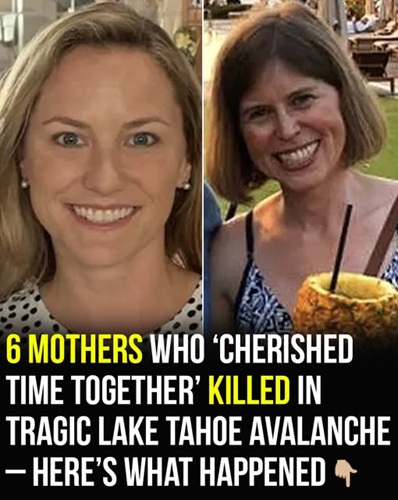
Nearly a week after a catastrophic avalanche tore through the backcountry of California’s Sierra Nevada mountains.
Authorities confirmed the identities of all nine people who lost their lives in what has become the deadliest avalanche recorded in California and one of the most fatal avalanche incidents in the United States in more than four decades.
The tragedy unfolded on February 17, 2026, near Castle Peak, a rugged and scenic area north of Lake Tahoe that is popular with experienced backcountry skiers and snowshoers.
What began as the final day of a guided multi-day ski expedition ended in profound loss, reverberating through families, mountain communities, and the broader outdoor recreation world.
This first part of a three-part account presents a detailed and carefully verified overview of the event, the conditions that led up to it, the composition of the group involved, and the immediate aftermath. All information included is based on official statements from authorities and publicly confirmed reports.

The Setting: Castle Peak and the Sierra Winter
Castle Peak rises to more than 9,100 feet along the Sierra crest, near Interstate 80 and west of Donner Pass. In winter, the region transforms into a snow-covered alpine landscape shaped by Pacific storm systems that regularly deliver heavy snowfall. The terrain includes open bowls, steep glades, corniced ridgelines, and complex avalanche paths.
The Sierra Nevada snowpack is known for its unique characteristics. Unlike the lighter, drier snow typical of the Rocky Mountains, Sierra snow is often denser and wetter. While this density can sometimes help stabilize the snowpack, it can also create powerful slab formations when large volumes accumulate rapidly during storms.
In the days leading up to February 17, 2026, a strong winter system brought significant snowfall and wind loading to higher elevations along the Sierra crest. Avalanche forecasters had issued warnings about elevated danger levels, noting that rapid loading on existing weak layers could increase the likelihood of human-triggered slides.
February 17, 2026: The Day of the Avalanche
On the morning of Tuesday, February 17, a 15-person guided backcountry ski group was making its return from a three-day expedition based at the remote Frog Lake huts. The huts, located in the high country near Castle Peak, are accessible only by ski or snowshoe during winter months.
The group consisted of 11 paying clients and four professional guides employed by Blackbird Mountain Guides, a guiding company based in Truckee, California. According to officials, the guides were experienced and certified through nationally recognized organizations, including the American Mountain Guides Association (AMGA) and the American Institute for Avalanche Research and Education (AIARE).
Around 11:30 a.m. local time, while descending a slope near Castle Peak, a large slab avalanche released above the group. The moving mass of snow rapidly accelerated downhill, engulfing multiple members of the party.
Authorities later classified the avalanche between D2 and D3 on the destructive size scale. In avalanche terminology, a D2 slide is capable of burying, injuring, or killing a person, while a D3 can destroy a vehicle or small building and uproot mature trees. This classification underscores the force and scale of the event.
The Group: Guides and Clients
The 15 participants included four professional guides and 11 clients who had signed up for the multi-day ski tour. The expedition had proceeded without reported incident during its first two days at the Frog Lake huts.
The guides were:
- Andrew Alissandratos, 34, of Verdi, Nevada
- Nicole Choo, 42, of South Lake Tahoe, California
- Michael Henry, 30, of Soda Springs, California
All three guides were among those who died in the avalanche.
Six clients also lost their lives:
- Carrie Atkin, 46, of Soda Springs, California
- Lizabeth “Liz” Clabaugh, 52, of Boise, Idaho
- Danielle Keatley, 44, of Soda Springs and Larkspur, California
- Kate Morse, 45, of Soda Springs and Tiburon, California
- Caroline Sekar, 45, of Soda Springs and San Francisco, California
- Katherine “Kate” Vitt, 43, of Greenbrae, California
Officials confirmed that many members of the group were longtime friends and part of interconnected ski communities in Northern California and Idaho. Some had ties to local alpine programs, including the Sugar Bowl Academy ski community near Donner Summit.

Immediate Aftermath: Rescue Under Extreme Conditions
Following the avalanche, six members of the group survived. According to authorities, the survivors were able to shelter in place despite hazardous weather conditions and ongoing avalanche risk.
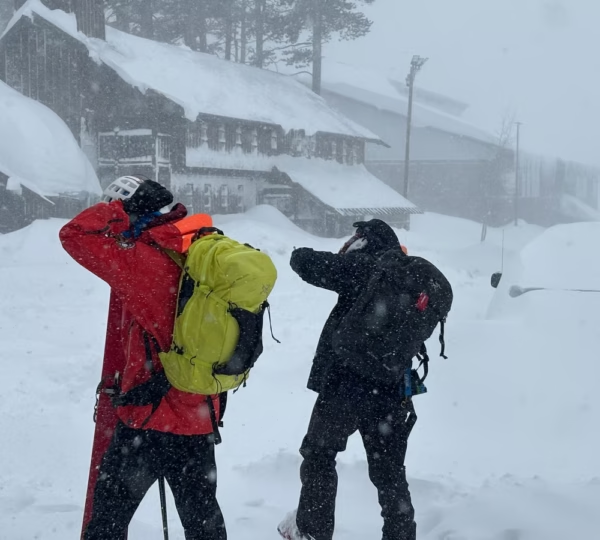
Rescue efforts began quickly but were complicated by white-out conditions, heavy snowfall, and unstable terrain. More than a dozen agencies participated in the response, including local sheriff’s deputies, specialized mountain rescue teams, and aviation units.
Helicopters operated by the California National Guard and the California Highway Patrol assisted in accessing the remote site once weather conditions allowed safe flight operations. Avalanche rescue teams used specialized equipment, including transceivers, probes, and trained dogs, to search the debris field.
As the hours passed, officials determined that no additional survivors were likely. The mission transitioned from rescue to recovery in the days that followed.
Recovery Operations and Official Confirmation
By Saturday, February 21, authorities announced that the bodies of all nine victims had been recovered from the avalanche site. Due to deep snow and ongoing risk, recovery required coordinated air and ground operations.
Nevada County Sheriff Shannan Moon confirmed the identities of the deceased during a press briefing. Officials expressed condolences to the families and emphasized the complexity and danger of the recovery effort.
Public lands in and around the Castle Peak area were temporarily closed to allow safe operations and to reduce further risk to the public during ongoing storm cycles.
Avalanche Risk and Backcountry Travel
Avalanches occur when layers within a snowpack become unstable and fail. In this case, forecasters had warned of high avalanche danger in parts of the Sierra Nevada due to heavy new snowfall and wind loading.
Avalanche danger ratings are determined by analyzing snowpack structure, weather trends, and recent slide activity. A “high” danger rating indicates that both natural and human-triggered avalanches are likely.
Even experienced backcountry travelers face inherent risks during elevated danger periods. Professional guides typically conduct snowpack assessments, stability tests, and route planning decisions based on current conditions. However, avalanche terrain remains unpredictable, especially during or immediately after major storms.
Investigations by the Nevada County Sheriff’s Office and California Occupational Safety and Health Administration (Cal/OSHA) were initiated to review the circumstances surrounding the guided trip. Authorities have stated that the investigation remains ongoing and that no conclusions regarding liability have been publicly announced.
A Community in Mourning
In the days following the tragedy, communities across Northern California, the greater Lake Tahoe region, and parts of Idaho began holding vigils and sharing tributes.

Family members described the victims as devoted parents, partners, siblings, and friends who shared a love for the mountains. Several of those who died were mothers, and their loss has had a particularly deep impact on their families.
Local ski clubs, schools, and outdoor organizations expressed support for the grieving families and emphasized the importance of mountain safety education.
A Sobering Moment for the Outdoor Community
The avalanche at Castle Peak stands as one of the most severe winter backcountry accidents in California history. It has prompted renewed discussion about avalanche forecasting, risk management, and decision-making during periods of elevated hazard.
For many in the Sierra Nevada community, the mountains are a place of inspiration, recreation, and connection. This tragedy serves as a powerful reminder of the respect required when traveling in avalanche terrain.
Nine lives were lost in a matter of moments on February 17, 2026. Their names are now part of the history of the Sierra Nevada — not only as victims of a natural disaster, but as individuals remembered for their dedication to family, friendship, and the outdoors.
The second part of this detailed account delves deeper into the lives of those lost in the Castle Peak avalanche, the profound impact on families and communities, and situates the tragedy within the broader history of avalanches in the United States. It also explores lessons for backcountry travel, safety practices, and professional guiding standards.
Remembering the Victims: Lives Cut Short
The nine victims of the February 17, 2026, Castle Peak avalanche were more than statistics; they were mothers, friends, guides, and active members of their communities. Each individual brought a unique story, passion, and contribution to their families and social circles.
Professional Guides:
- Andrew Alissandratos, 34, of Verdi, Nevada
A highly skilled backcountry guide certified through AMGA and AIARE, Alissandratos was known for his dedication to mountain safety and education. Friends described him as meticulous and passionate about mentoring others in avalanche awareness. His passing is a profound loss to the guiding community in the Sierra Nevada. - Nicole Choo, 42, of South Lake Tahoe, California
Choo had spent over a decade leading backcountry ski expeditions and was known for her calm demeanor under pressure. Beyond guiding, she was actively involved in local avalanche education programs, volunteering with youth ski initiatives to teach safe mountain practices. - Michael Henry, 30, of Soda Springs, California
Henry, the youngest of the guides lost, was celebrated for his energy, technical expertise, and love of ski mountaineering. Colleagues described him as a rising star among guides, combining athletic skill with a strong commitment to client safety.
Clients:
- Carrie Atkin, 46, of Soda Springs, California
Atkin was an enthusiastic skier who had developed close friendships with fellow backcountry travelers over many years. Known for her infectious energy, she was deeply involved in local outdoor clubs and often encouraged others to explore the mountains responsibly. - Lizabeth “Liz” Clabaugh, 52, of Boise, Idaho, and Caroline Sekar, 45, of San Francisco, California
Sisters Liz and Caroline shared a lifetime of outdoor adventures. Their family described them as inseparable companions who inspired one another and their community through their adventurous spirit and commitment to family. Their deaths left a void not only for their immediate family but also for the extended network of friends and ski enthusiasts who admired them. - Danielle Keatley, 44, of Soda Springs and Larkspur, California
Keatley was an avid skier and devoted mother whose friends remember her as someone who balanced adventure with nurturing care for those around her. She was actively engaged in community events and ski programs, contributing her energy and leadership to multiple local organizations. - Kate Morse, 45, of Soda Springs and Tiburon, California
Morse was recognized for her warmth, generosity, and love of alpine environments. Family and friends spoke of her ability to bring people together through outdoor activities, fostering a sense of community and mentorship among younger skiers. - Katherine “Kate” Vitt, 43, of Greenbrae, California
Vitt was admired for her adventurous spirit and commitment to family life. She often participated in ski outings and wilderness expeditions, helping friends and colleagues develop skills in outdoor recreation while emphasizing safety and awareness of environmental risks.
Each of these individuals embodied a combination of personal passion, professional skill, and commitment to the community. In their own ways, they contributed to a culture of outdoor engagement and safety awareness, making their loss felt far beyond the immediate circle of family and friends.

Community Response and Mourning
The grief following the Castle Peak avalanche was immediate and far-reaching. Families, friends, and fellow outdoor enthusiasts held vigils, memorial services, and public gatherings to honor those lost. Local ski clubs in Truckee, Soda Springs, and the greater Lake Tahoe area issued statements expressing sorrow and highlighting the importance of mountain safety.
Social media posts, letters to local newspapers, and personal tributes shared memories of the victims’ dedication to skiing, teaching, and community engagement. Schools and youth programs affiliated with the Sugar Bowl Academy and other ski programs emphasized the need to remember the lost while continuing to educate young skiers about avalanche awareness.
In Idaho, communities mourned the loss of Liz Clabaugh and celebrated the bond she shared with her sister Caroline. Families highlighted their shared experiences in the mountains, portraying the sisters as exemplars of adventurous and responsible outdoor recreation.
Statements from surviving family members emphasized the dual nature of grief and gratitude: sorrow for lives lost and admiration for the bravery, expertise, and guidance offered by the professional guides who were part of the group.
The Castle Peak Avalanche in Historical Context
Avalanches have a long, sobering history in the United States. While California is not often associated with deadly slides, the Sierra Nevada has a record of severe avalanches dating back decades. The Castle Peak incident is now recognized as the deadliest in California since comprehensive records have been kept, surpassing notable past events such as the Mount Shasta slide of the 1980s.
Across the United States, large-scale avalanches have typically occurred in Colorado, Utah, Wyoming, and Alaska, where more expansive mountain ranges and frequent storms produce high avalanche hazards. According to historical records maintained by the American Avalanche Association, fatalities from avalanches tend to be concentrated among backcountry recreationists during periods of heavy snow accumulation combined with unstable snowpack layers.
Experts note that even with professional guidance, no backcountry environment is entirely safe during periods of high avalanche danger. Rapidly changing conditions, wind-loaded slopes, and weak layers within the snowpack can result in catastrophic failures in moments.
Understanding Avalanche Dynamics
Avalanches generally occur when the bonding between snow layers weakens and cannot support the load of overlying snow. In the Sierra Nevada, wet, dense snow overlying older, weaker snow layers can create slabs prone to fracture. Wind-loading and rapid temperature changes exacerbate instability, particularly along ridgelines and open faces.
Avalanche danger ratings, issued by agencies such as the Sierra Avalanche Center, range from Low to Extreme. High and Extreme conditions indicate that slides are likely and that human-triggered avalanches are probable. On February 17, 2026, the Castle Peak area was under a High danger rating, reflecting a considerable risk even for experienced parties.
Professionally guided expeditions, such as the one involved, typically employ a combination of on-site snowpack tests, slope evaluation, and decision-making frameworks designed to mitigate risk. However, unpredictable failures, like the one at Castle Peak, underscore the reality that no precaution eliminates the possibility of tragedy.
Backcountry Safety Lessons
The Castle Peak avalanche has prompted renewed discussion among guides, ski educators, and outdoor safety organizations about best practices for backcountry travel. Key recommendations include:
- Consulting Forecasts Daily: Travelers should check avalanche bulletins and weather reports each morning before venturing into the backcountry.
- Carrying Safety Gear: Beacons, probes, and shovels are essential tools that can increase survival odds in the event of burial.
- Using Conservative Decision-Making: Experience and schedule pressure should never override safety considerations in hazardous terrain.
- Continuous Training: Both guides and clients benefit from ongoing avalanche education to understand terrain hazards, snowpack behavior, and emergency response protocols.
The Castle Peak tragedy has reinforced that even highly experienced guides and well-prepared clients are vulnerable to natural forces when conditions deteriorate rapidly.
The third and final part of this comprehensive account examines the ongoing investigations into the Castle Peak avalanche, the implications for professional guiding practices, the broader lessons for backcountry safety, and how communities are memorializing those lost. This section also contextualizes the tragedy within a larger conversation about risk, preparedness, and resilience in alpine recreation.
Ongoing Investigations
Following the avalanche on February 17, 2026, multiple authorities initiated formal investigations to understand the circumstances that led to the loss of nine lives. The Nevada County Sheriff’s Office took the lead in coordinating the criminal and civil investigative components, while the California Occupational Safety and Health Administration (Cal/OSHA) conducted a parallel review focusing on professional guidance standards and workplace safety compliance for the guides.
Investigators are examining several key areas:
- Weather and Snowpack Conditions: Meteorological data and snowpack analyses are being reviewed to understand how the storm system and pre-existing layers contributed to instability. Snowpit tests and remote sensing data are being analyzed for patterns of weak layers and slab formation.
- Guiding Decisions: The decision-making process employed by the Blackbird Mountain Guides team is under review. Investigators are considering route selection, timing, risk assessments, and communication among guides and clients. Interviews with survivors, other guides, and avalanche experts are part of the process to reconstruct events leading up to the avalanche.
- Public Warnings and Risk Communication: Avalanche advisories issued by the Sierra Avalanche Center prior to February 17 are being evaluated for content, distribution, and accessibility. Authorities aim to assess whether the group had full access to hazard information and whether any warnings were overlooked.
- Equipment and Preparedness: Investigators are analyzing the safety equipment carried by the group, including avalanche transceivers, shovels, probes, and emergency shelters. The effectiveness of this equipment in the actual rescue scenario will be reviewed to identify any potential improvements in standards or training.
Officials have emphasized that it is too early to assign liability, and no formal conclusions have yet been made regarding negligence. The goal of these investigations is to provide transparency, improve safety standards, and offer recommendations for future backcountry operations.
Professional Guiding Standards
The Castle Peak avalanche has raised critical discussions about professional guiding standards in high-risk alpine environments. Guides certified through organizations such as the American Mountain Guides Association (AMGA) and the American Institute for Avalanche Research and Education (AIARE) are trained in terrain assessment, snowpack evaluation, emergency response, and client management.
Despite certification, the nature of avalanche terrain is inherently unpredictable. Experts note that even the most skilled guides cannot control natural conditions such as slab fractures, wind-loading, or rapidly changing weather. Consequently, the Castle Peak event is being examined as a case study for:
- The adequacy of risk assessment protocols during high-hazard periods
- The communication of hazard information to clients
- Emergency response strategies when large avalanches occur
- The balance between client expectations and conservative decision-making
Professional guiding organizations have expressed condolences while emphasizing a commitment to reviewing safety curricula and enhancing training opportunities for both guides and clients.
Lessons for the Backcountry Community
The Castle Peak tragedy highlights the delicate balance between adventure and safety in the backcountry. Experts in avalanche science and outdoor education emphasize several enduring lessons:
- Respecting Avalanche Forecasts: High and Extreme danger ratings must be treated with the utmost caution. Even experienced skiers should avoid avalanche-prone terrain when forecasts indicate elevated risk.
- Redundancy in Safety Measures: Carrying multiple forms of rescue equipment and ensuring all group members are trained in their use can significantly improve survival rates in emergencies.
- Group Decision-Making: Open communication among guides and clients is essential. Group discussions regarding route selection, conditions, and contingency plans help mitigate risks.
- Preparedness for Rapid Changes: Backcountry travelers must anticipate sudden weather shifts. Shelter, extra provisions, and clear evacuation strategies are essential, even for short descents.
- Community Education: Avalanche awareness programs, public workshops, and mentorship initiatives are crucial for fostering a culture of safety in mountain communities.
The Castle Peak incident has sparked renewed interest in avalanche safety courses across the Sierra Nevada region, with both seasoned and novice backcountry travelers seeking training in snowpack assessment, route planning, and emergency response.
The Emotional and Social Impact
Beyond the technical and safety aspects, the human toll of the avalanche is profound. Families have shared that the loss of their loved ones has created an enduring void. Children, spouses, siblings, and friends mourn deeply, struggling with the sudden and unexpected nature of the tragedy.
Community support has been extensive. Vigils, memorial hikes, and fundraisers have been organized to honor those lost and to provide support to grieving families. Outdoor organizations, ski clubs, and local schools have emphasized the importance of celebrating the lives and contributions of the victims while using the event as an educational opportunity to promote safety.
Local leaders have noted that memorialization of the victims is an ongoing process. Many of the deceased were integral to their communities, contributing to education, mentorship, and outdoor programs that encouraged others to experience and respect the mountains. Their legacy continues in the programs they supported, the friends they inspired, and the lives they touched.
Reflection on Nature’s Unpredictability
Avalanches are among the most sudden and powerful natural hazards in mountainous regions. Even with modern forecasting, professional guidance, and experience, these events can overwhelm groups in moments. The Castle Peak avalanche serves as a stark reminder of the limitations of human control in the face of natural forces.
Experts encourage backcountry travelers to embrace humility and caution, to continuously educate themselves, and to never underestimate the power of snow, wind, and gravity. While the mountains offer unparalleled beauty and adventure, they demand respect and preparation in equal measure.
Memorializing Those Lost
The nine individuals who died on February 17, 2026, are remembered as more than victims of a disaster. They were mothers, friends, guides, and community pillars whose presence enriched the lives of those around them. Their stories serve as a reminder of both the joys and risks of mountain recreation.
Families, friends, and local organizations continue to honor their memory through scholarships, avalanche education initiatives, and outdoor programming aimed at fostering both adventure and safety. The Castle Peak tragedy has strengthened community bonds and highlighted the importance of collective awareness, preparedness, and compassion.
Conclusion
The Castle Peak avalanche is now recorded as one of the deadliest in California’s history and among the most severe in the United States in recent decades. It claims nine lives, each representing a vibrant story, a family, and a community impacted forever.
Through detailed investigations, ongoing education efforts, and public memorialization, the outdoor community is striving to learn from this tragedy while honoring those lost. The lessons of Castle Peak — about respect for nature, the limits of expertise, and the value of preparation — are profound.
In remembering Andrew Alissandratos, Nicole Choo, Michael Henry, Carrie Atkin, Liz Clabaugh, Danielle Keatley, Kate Morse, Caroline Sekar, and Katherine Vitt, the community affirms a commitment to both adventure and safety, ensuring that the legacy of those lost informs future generations of mountain enthusiasts.
