
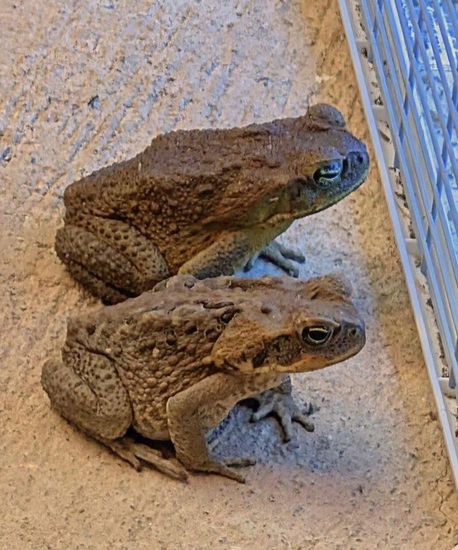
When a toad appears in your garden, it reflects the subtle ways your outdoor environment interacts with local wildlife. Moist soil, shaded areas, and natural hiding spots serve as silent invitations for these amphibians.
Toads are drawn to environments where shelter and food coexist. Rocks, potted plants, leaf litter, and mulch create protective microhabitats, while insects, slugs, and other invertebrates provide a consistent food source, ensuring they thrive near human dwellings.
Their presence signals a healthy, balanced garden ecosystem. Unlike pests, toads actively contribute to pest management, consuming insects that can harm plants, reducing the need for chemical sprays, and helping maintain a sustainable, chemical-free backyard.
Toads are nocturnal hunters, emerging at dusk to forage. During these hours, they consume mosquitoes, flies, and other insects, complementing daytime natural predators, and ensuring around-the-clock protection for plants and flowers without human intervention.

Shaded and moist areas are crucial for amphibian survival. Toads rely on hydration for their permeable skin, making damp soil, mulch, and leaf litter critical components of their microhabitat, protecting them from dehydration and extreme temperatures.
Gardens with ponds or even temporary water sources attract breeding toads. Small pools provide the necessary environment for egg-laying and tadpole development, supporting amphibian life cycles and contributing to local population sustainability.
Toads also help aerate soil while foraging. Their movements through leaf litter and mulch disturb the top layer of soil slightly, enhancing nutrient cycling and creating conditions conducive to plant growth without harming the environment.
By welcoming toads, your garden becomes an ecological refuge. These amphibians indicate that the area is safe from harmful chemicals, rich in food, and environmentally suitable, reflecting the health and sustainability of your landscaping choices.
They are low-maintenance allies that require no human feeding. Toads sustain themselves through hunting insects naturally, providing pest control, reducing the workload for gardeners, and integrating seamlessly into outdoor spaces without disrupting other wildlife.
Toads’ diet primarily consists of insects, spiders, and slugs, making them efficient controllers of garden pests. Their presence helps minimize plant damage, ensuring healthier vegetables, flowers, and ornamental plants, supporting both productivity and biodiversity.

Leaf litter, compost piles, and rock shelters are highly attractive to toads. These areas provide shade, retain moisture, and attract insects, forming ideal resting and hunting grounds that naturally encourage amphibians to remain in your yard.
Toads’ skin secretes mild toxins to deter predators like snakes or birds, allowing them to thrive safely in gardens. This natural defense ensures they can coexist with humans and pets without posing any threat.
Even small changes to a yard can enhance toad habitats. Placing rocks strategically, adding shallow water features, or planting native shrubs creates safe microenvironments that support amphibian populations while enriching the visual appeal of your garden.
Toads demonstrate the value of biodiversity. Their presence signifies that your garden supports a wide range of species, from insects to birds, creating a balanced ecosystem that promotes natural predator-prey relationships and long-term ecological health.
Observing toads provides both educational and recreational benefits. Watching their nocturnal behaviors, understanding their feeding patterns, and noting their seasonal appearances offer insight into local wildlife and inspire environmentally conscious gardening practices.
Providing consistent moisture is key. Regular watering, mulching, and shaded areas help maintain damp conditions, encouraging amphibians to remain in the garden, while supporting insects and soil organisms that benefit plants and the overall ecosystem.

The presence of toads is an indicator of low pesticide use. Their sensitivity to chemicals means that thriving toads reflect safe, chemical-free conditions that benefit plants, soil organisms, and other wildlife, promoting an environmentally friendly garden.
Toads’ nocturnal activity complements diurnal pest control. While birds and small mammals manage insects during the day, toads extend this control into nighttime hours, providing continuous, natural protection against pests without human intervention.
Small ponds, shallow water containers, or rain-filled depressions serve as ideal breeding sites. These water sources enable toads to reproduce successfully, contributing to the survival of local amphibian populations and promoting a resilient, balanced ecosystem.
Toads’ longevity in gardens is notable. Many species can live for several years if the habitat remains suitable, indicating stability in environmental conditions, food supply, and shelter, which benefits all wildlife sharing the space.
Even passive observation fosters appreciation for wildlife. Seeing toads move through the garden, hunt for insects, and interact with their surroundings enhances awareness of ecological interactions, inspiring gardeners to preserve and protect natural habitats.
Leaf litter, mulch, and native vegetation provide microclimates that protect toads from predators and harsh weather. These elements also attract insects, further reinforcing the interdependence of species within your garden ecosystem.

Toads’ presence reduces the need for artificial pest control. By consuming slugs, caterpillars, and other harmful insects, they safeguard plants naturally, supporting both ornamental gardens and productive vegetable patches without chemical interventions.
Creating shaded refuges encourages toads to remain in the yard. Strategically placed plants, shrubs, or containers provide daytime shelter from heat and predators, enhancing amphibians’ comfort and increasing their contribution to ecological balance and pest control.
Tadpoles from breeding toads contribute to aquatic ecosystems. As they develop, they feed on algae and small aquatic organisms, maintaining pond health, and eventually emerge as adult toads to continue supporting terrestrial pest management in your garden.
Toads’ subtle, deliberate movements reduce soil compaction. As they forage, their weight and activity gently aerate soil surfaces, encouraging healthy microbial activity, promoting nutrient availability, and supporting robust plant growth throughout the garden.
By supporting toads, gardeners encourage a healthy ecosystem. Their presence indicates safe conditions, ample food sources, and reduced reliance on chemicals, fostering biodiversity and a harmonious environment for plants, soil organisms, and other wildlife.
Observing toads during seasonal changes teaches environmental awareness. Their breeding activity, feeding patterns, and population fluctuations reflect environmental conditions such as rainfall, temperature, and insect availability, serving as a natural barometer of ecosystem health.

Toads thrive in both suburban and urban gardens when moisture, shelter, and food are available. Their adaptability allows them to contribute meaningfully to pest control, ecological balance, and the preservation of local biodiversity.
Providing water sources, shaded refuges, and leaf litter enhances the appeal of a garden to toads. Each element supports amphibian survival while improving soil moisture retention, attracting beneficial insects, and promoting healthy plant growth.
Toads integrate seamlessly with other wildlife. Their nocturnal feeding complements daytime predators, while their breeding and foraging support nutrient cycling, insect population control, and habitat complexity, reinforcing the ecological resilience of your garden.
Supporting toads aligns with sustainable gardening practices. By reducing pesticide use, providing microhabitats, and encouraging natural predator-prey interactions, gardeners promote a self-sustaining ecosystem that benefits plants, insects, amphibians, and other wildlife.
Toads provide subtle, ongoing pest management. Their presence reduces insect populations, lowers plant damage, and decreases the need for human intervention, allowing gardens to flourish naturally while conserving energy and minimizing environmental impact.
They serve as ecological indicators. Healthy, active toads signal balanced moisture, low chemical exposure, and abundant insect populations, offering gardeners real-time feedback about the health and sustainability of their outdoor spaces.
Even minimal interventions, like adding mulch, shallow water, or rocks, can significantly improve toad habitats. These small changes provide moisture retention, shelter, and food opportunities, ensuring that amphibians remain part of the garden ecosystem.
Observing toads enhances appreciation for natural processes. Watching them hunt, move, and interact with their surroundings offers insight into ecological networks and reinforces the importance of biodiversity in maintaining healthy gardens.
Toads’ presence supports chemical-free gardening. Their natural feeding habits reduce reliance on insecticides, benefiting plants, soil organisms, and the broader environment while contributing to a safer, healthier outdoor living space.
By inviting toads into your yard, you actively foster ecological balance. Moist soil, shaded refuges, and insect-rich habitats provide essential resources, allowing amphibians to thrive and helping create a self-regulating, resilient garden ecosystem.
