
Anyone who has ever rummaged through an old kitchen drawer knows the peculiar experience of discovering unfamiliar tools that seem oddly out of place in a modern home.
These objects often appear outdated, oddly shaped, or even slightly intimidating, leaving people to wonder what they were once used for. From heavy metal gadgets to slender, pointed instruments, such discoveries can spark curiosity, nostalgia, and confusion all at once.
In recent years, one such discovery captured widespread attention on social media. A photograph showing a small bowl filled with sharp, metallic tools quickly went viral.
Viewers from around the world began speculating about their purpose, offering guesses that ranged from medical instruments to dental tools, and even miniature weapons. Some commenters jokingly suggested they were designed to “find cavities,” while others expressed genuine concern over how dangerous they looked.

Despite their intimidating appearance, the truth behind these mysterious objects turned out to be surprisingly simple and deeply rooted in domestic history.
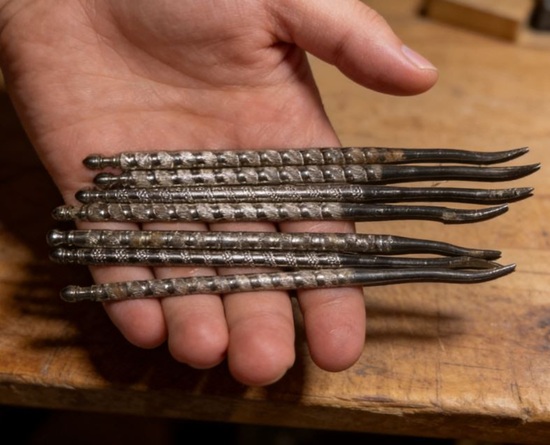
These tools were nut picks, a once-common household item used in kitchens long before modern food processing made shelled nuts widely available. What many people initially mistook for surgical instruments were actually practical utensils designed for everyday food preparation.
Why Nut Picks Look So Unusual Today
To a modern eye, nut picks can appear strange, even alarming. They are small, slender, and sharply pointed, often made of metal with decorative handles.
Unlike today’s multi-purpose kitchen tools, nut picks were designed for a single, very specific task: removing edible nut meat from cracked shells without damaging it.
In today’s kitchens, where convenience dominates, such specialized tools are rare. Pre-shelled nuts are readily available in grocery stores, packaged and ready to eat. As a result, many people have never seen or used a nut pick, making its rediscovery feel like stumbling upon an artifact from another era.
This unfamiliarity explains why the viral image sparked so much speculation. Without context, the tools looked more like medical or mechanical instruments than kitchen utensils. Yet for much of the 20th century—and even earlier—nut picks were a normal and essential part of household life.
The Role of Nut Picks in Traditional Kitchens
Before industrial food processing became widespread, most nuts were sold in their shells. Walnuts, pecans, hazelnuts, and almonds were commonly purchased whole, especially during colder months and holiday seasons. Nuts were valued not only as snacks but also as ingredients for baking, cooking, and festive dishes.
Cracking nuts was a manual process that required patience and care. Nutcrackers were used to break the shell, but this step alone was not enough.

The nut meat inside often remained lodged in the shell’s grooves, particularly in nuts like walnuts, which have deeply ridged interiors.
This is where nut picks played a crucial role. Their narrow, pointed tips allowed users to gently pry nut meat from the shell without crushing it. Fingers alone were usually too large or clumsy for the task, and knives were unsafe and imprecise. Nut picks provided the perfect balance of control and delicacy.
In many households, nut picks were used alongside nutcrackers as part of a complete set. These sets were often brought out during holidays or family gatherings, when bowls of whole nuts were placed on tables for everyone to enjoy.
Craftsmanship and Design
Nut picks were not only functional but also thoughtfully designed. Many were crafted with decorative handles made from wood, bone, or early plastics. Some higher-end versions featured silver plating, engraved patterns, or mother-of-pearl accents.
The attention to design reflected the importance of nuts in social and cultural settings. During holiday gatherings, nutcrackers and picks were often displayed openly, becoming part of the table’s decoration. Their appearance mattered, as they were meant to be seen and used by guests.
These tools were typically small and lightweight, making them easy to handle. Their size also made them easy to store, often tucked into kitchen drawers until the next festive occasion.
Nut Picks and the Evolution of Home Food Preparation
The widespread use of nut picks reflects a broader shift in how food was prepared at home in the past. Before the rise of convenience foods, many household tasks required hands-on effort and specialized tools.
Food preparation was slower and more deliberate. Families invested time in cracking nuts, shelling peas, grinding spices, and preparing ingredients from scratch. Nut picks were just one example of the many small tools that supported this way of life.
As food processing technology advanced, many of these tools gradually fell out of use. Machines began shelling nuts on a large scale, making pre-shelled products affordable and widely available. Over time, nut picks transitioned from everyday items to occasional or decorative objects, eventually becoming unfamiliar to younger generations.

Beyond Nuts: Other Uses for Similar Tools
Although nut picks were designed specifically for nuts, their form influenced other kitchen utensils. Tools used to extract meat from shellfish, such as crab or lobster picks, share a similar shape and purpose. Olive picks and cocktail picks also reflect the same design principles: narrow, pointed tips for precision work.
This overlap highlights how kitchen tools evolved through adaptation rather than reinvention. A simple design proved effective for multiple tasks, reinforcing the idea that good tools do not need to be complex to be useful.
Social and Cultural Importance
Nut cracking was not merely a practical task; it was often a social activity. During holidays, families gathered around tables or fireplaces with bowls of nuts, nutcrackers, and picks. The activity encouraged conversation, storytelling, and shared time.
Children often participated under supervision, learning patience and coordination. For many people, these moments became cherished memories associated with warmth, tradition, and family connection.
Nut picks, though small and easily overlooked, played a key role in these traditions. They made the process smoother and more enjoyable, allowing everyone to participate without frustration.
The Modern Rediscovery
The viral image of nut picks sparked more than confusion—it triggered nostalgia. Many commenters recognized the tools from their childhoods or grandparents’ homes. Others were surprised to learn about a kitchen practice that had largely disappeared.
This rediscovery highlights how everyday objects can become historical curiosities over time. What was once ordinary can seem mysterious when its original context is lost.
Nut picks now serve as tangible reminders of how domestic life has changed. They represent a slower, more hands-on approach to food preparation—one that valued process as much as the result.

While the internet initially reacted with confusion and disbelief, the rediscovery of nut picks opened the door to a broader conversation about forgotten household tools and how domestic life has evolved over time. What began as a viral curiosity quickly turned into a lesson in history, craftsmanship, and changing lifestyles.
Materials and Durability
One of the reasons nut picks have survived for decades—sometimes even generations—is the quality of their construction. Most traditional nut picks were made from durable metals such as stainless steel or chrome-plated alloys. These materials were chosen for their strength, resistance to rust, and ability to maintain a sharp, precise tip without bending.
Handles varied widely depending on the era and the household’s budget. Simpler models featured plain metal or wooden handles, while more decorative versions incorporated bone, bakelite, or even silver-plated finishes. Some antique nut picks were part of coordinated serving sets, designed to match nutcrackers, trays, or bowls.
This durability explains why so many nut picks are still found today in drawers, boxes, and inherited kitchen collections. Unlike disposable modern utensils, these tools were built to last, reflecting a time when household items were expected to serve families for many years.
Nut Picks as Collectibles
In recent years, nut picks have gained attention among collectors of vintage kitchenware. Antique stores and online marketplaces often feature complete nutcracker sets that include matching picks, sometimes displayed in decorative cases.
Collectors value these items not only for their functionality but also for their design and craftsmanship. Sets from the early to mid-20th century are especially sought after, particularly those with ornate handles or branded markings from well-known manufacturers.
For many buyers, nut picks represent a tangible connection to the past—a reminder of how kitchens once functioned and how everyday tools were treated with care and intention.
Safety and Proper Use
Although nut picks may look sharp, they were designed with safety in mind when used correctly. The pointed end allows for precision rather than force. Users were meant to gently tease nut meat from cracked shells, not apply pressure or stabbing motions.

When used alongside a nutcracker, nut picks reduce the need to use fingers or knives, which can be less safe and less effective. In this sense, nut picks actually improved kitchen safety by offering a controlled and specialized solution.
Today, anyone rediscovering these tools should still handle them carefully, especially around children. Like many traditional utensils, they are effective when used properly and potentially hazardous if misused.
Why These Tools Disappeared
The decline of nut picks reflects a much larger shift in food consumption habits. As industrial food processing expanded, convenience became a dominant priority. Pre-shelled nuts, nut mixes, and ready-to-use baking ingredients became standard supermarket offerings.
This shift reduced the need for manual preparation tools. Nut picks, once essential, gradually became redundant. Over time, they were stored away, forgotten, or passed down without explanation, eventually losing their place in everyday kitchen routines.
The disappearance of nut picks is similar to the fading use of other specialized tools, such as manual coffee grinders, butter paddles, and hand-crank egg beaters. Each tells a story about changing expectations around time, effort, and convenience.
The Emotional Connection to Everyday Objects
What surprised many people during the viral moment was not just the identity of the tools, but the emotional response they triggered. Comment sections quickly filled with personal memories—stories of grandparents cracking walnuts by the fireplace, holiday tables filled with bowls of nuts, and family traditions that revolved around simple shared activities.
These reactions highlight the emotional power of everyday objects. Even the smallest tools can carry memories, traditions, and a sense of continuity between generations.
Nut picks became symbols of a slower pace of life, one where food preparation was part of the experience rather than a task to be minimized.
The Modern Revival of Traditional Tools
Interestingly, nut picks and similar utensils are experiencing a modest revival. As more people embrace home cooking, seasonal traditions, and sustainable living, interest in traditional food preparation methods has grown.
Some households now choose to buy whole nuts again, valuing freshness and reduced packaging. Others enjoy the tactile experience of preparing food by hand, seeing it as a form of mindfulness or family bonding.
In this context, nut picks are no longer outdated—they are rediscovered tools that fit into a renewed appreciation for intentional living.
What Nut Picks Teach Us About Modern Life
The story of nut picks goes beyond a single kitchen utensil. It reflects how modern life often distances us from the origins of our food and the processes behind it. Convenience has undeniable benefits, but it can also erase traditions and skills that once connected people to their daily routines.
Nut picks remind us that tools were once designed to support patience, precision, and shared experiences. They encouraged people to slow down, work together, and enjoy simple pleasures.
In a fast-paced digital world, the renewed curiosity around such objects suggests a desire to reconnect with tangible, hands-on experiences.
From Confusion to Appreciation
What initially confused the internet ultimately educated it. The viral image of unfamiliar tools became an opportunity to explore history, craftsmanship, and cultural change.
Nut picks may never return to the center of modern kitchens, but their story has found a new audience. They now serve as conversation pieces, collector’s items, and reminders of a time when even the smallest household tools played meaningful roles.
Sometimes, the most ordinary objects carry the most extraordinary stories—waiting quietly in a drawer until curiosity brings them back into the light.
While the internet initially reacted with confusion and disbelief, the rediscovery of nut picks opened the door to a broader conversation about forgotten household tools and how domestic life has evolved over time. What began as a viral curiosity quickly turned into a lesson in history, craftsmanship, and changing lifestyles.
Materials and Durability
One of the reasons nut picks have survived for decades—sometimes even generations—is the quality of their construction. Most traditional nut picks were made from durable metals such as stainless steel or chrome-plated alloys. These materials were chosen for their strength, resistance to rust, and ability to maintain a sharp, precise tip without bending.
Handles varied widely depending on the era and the household’s budget. Simpler models featured plain metal or wooden handles, while more decorative versions incorporated bone, bakelite, or even silver-plated finishes. Some antique nut picks were part of coordinated serving sets, designed to match nutcrackers, trays, or bowls.
This durability explains why so many nut picks are still found today in drawers, boxes, and inherited kitchen collections. Unlike disposable modern utensils, these tools were built to last, reflecting a time when household items were expected to serve families for many years.
Nut Picks as Collectibles
In recent years, nut picks have gained attention among collectors of vintage kitchenware. Antique stores and online marketplaces often feature complete nutcracker sets that include matching picks, sometimes displayed in decorative cases.
Collectors value these items not only for their functionality but also for their design and craftsmanship. Sets from the early to mid-20th century are especially sought after, particularly those with ornate handles or branded markings from well-known manufacturers.
For many buyers, nut picks represent a tangible connection to the past—a reminder of how kitchens once functioned and how everyday tools were treated with care and intention.
Safety and Proper Use
Although nut picks may look sharp, they were designed with safety in mind when used correctly. The pointed end allows for precision rather than force. Users were meant to gently tease nut meat from cracked shells, not apply pressure or stabbing motions.
When used alongside a nutcracker, nut picks reduce the need to use fingers or knives, which can be less safe and less effective. In this sense, nut picks actually improved kitchen safety by offering a controlled and specialized solution.
Today, anyone rediscovering these tools should still handle them carefully, especially around children. Like many traditional utensils, they are effective when used properly and potentially hazardous if misused.
Why These Tools Disappeared
The decline of nut picks reflects a much larger shift in food consumption habits. As industrial food processing expanded, convenience became a dominant priority. Pre-shelled nuts, nut mixes, and ready-to-use baking ingredients became standard supermarket offerings.
This shift reduced the need for manual preparation tools. Nut picks, once essential, gradually became redundant. Over time, they were stored away, forgotten, or passed down without explanation, eventually losing their place in everyday kitchen routines.
The disappearance of nut picks is similar to the fading use of other specialized tools, such as manual coffee grinders, butter paddles, and hand-crank egg beaters. Each tells a story about changing expectations around time, effort, and convenience.
The Emotional Connection to Everyday Objects
What surprised many people during the viral moment was not just the identity of the tools, but the emotional response they triggered. Comment sections quickly filled with personal memories—stories of grandparents cracking walnuts by the fireplace, holiday tables filled with bowls of nuts, and family traditions that revolved around simple shared activities.
These reactions highlight the emotional power of everyday objects. Even the smallest tools can carry memories, traditions, and a sense of continuity between generations.
Nut picks became symbols of a slower pace of life, one where food preparation was part of the experience rather than a task to be minimized.
The Modern Revival of Traditional Tools
Interestingly, nut picks and similar utensils are experiencing a modest revival. As more people embrace home cooking, seasonal traditions, and sustainable living, interest in traditional food preparation methods has grown.
Some households now choose to buy whole nuts again, valuing freshness and reduced packaging. Others enjoy the tactile experience of preparing food by hand, seeing it as a form of mindfulness or family bonding.
In this context, nut picks are no longer outdated—they are rediscovered tools that fit into a renewed appreciation for intentional living.
What Nut Picks Teach Us About Modern Life
The story of nut picks goes beyond a single kitchen utensil. It reflects how modern life often distances us from the origins of our food and the processes behind it. Convenience has undeniable benefits, but it can also erase traditions and skills that once connected people to their daily routines.
Nut picks remind us that tools were once designed to support patience, precision, and shared experiences. They encouraged people to slow down, work together, and enjoy simple pleasures.
In a fast-paced digital world, the renewed curiosity around such objects suggests a desire to reconnect with tangible, hands-on experiences.
From Confusion to Appreciation
What initially confused the internet ultimately educated it. The viral image of unfamiliar tools became an opportunity to explore history, craftsmanship, and cultural change.
Nut picks may never return to the center of modern kitchens, but their story has found a new audience. They now serve as conversation pieces, collector’s items, and reminders of a time when even the smallest household tools played meaningful roles.
Sometimes, the most ordinary objects carry the most extraordinary stories—waiting quietly in a drawer until curiosity brings them back into the light.
