
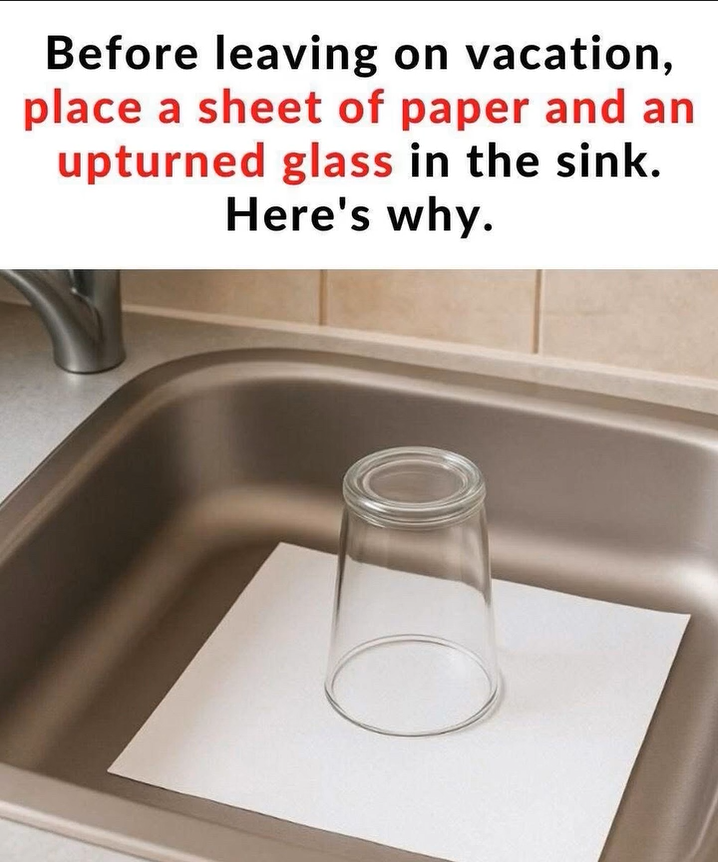
Before leaving home for a vacation, homeowners often focus on locking doors, setting alarms, and turning off appliances. Yet, one commonly overlooked area can cause significant problems: the kitchen sink and its connected plumbing.
At first glance, sinks appear clean and harmless. However, hidden moisture, trapped food particles, and stagnant water can combine to create an ideal environment for unpleasant odors, mold growth, and even tiny pests that may infiltrate your home.
Garbage disposals are particularly prone to buildup. Bits of leftover food can rot and decompose, releasing foul smells. Even a sink that looks spotless may harbor bacterial colonies, which multiply quickly when water and organic matter remain undisturbed.
The P-trap—the curved section of pipe under the sink—retains water to block sewer gases. If this water evaporates during extended absences, foul odors may seep into the kitchen, creating an unwelcome surprise upon returning home.

Dripping faucets and minor leaks can also attract insects such as ants or gnats. Over time, excess moisture can lead to mold growth on cabinetry and countertops, making inspection and repair before departure crucial for home hygiene.
A simple preventive routine protects sinks and plumbing effectively. Start by running cold water through the garbage disposal for at least 30 seconds, solidifying grease and food particles, while flushing them safely down the drain without leaving residue.
Next, add ice cubes or small citrus peels while running water. Ice mechanically scrapes the disposal blades, dislodging trapped food, while citrus oils naturally deodorize the system, leaving a clean, fresh scent that lingers even during long trips.
Baking soda and vinegar are another key step. Pour baking soda down the drain, followed by white vinegar, allowing the mixture to fizz and react. This combination loosens grime, neutralizes odors, and helps prevent bacterial buildup in pipes.
After the reaction slows, flush the drain with hot water for several minutes. Hot water ensures all dislodged particles are washed away, keeping the drain clear, minimizing bacterial growth, and preventing blockages or unpleasant odors from forming.
For extended absences, take precautions to protect the P-trap. Pour a small amount of mineral oil into the trap to prevent water evaporation, which stops sewer gases from entering the kitchen and ensures your home remains odor-free.

Wipe all surfaces surrounding the sink thoroughly. Faucet handles, edges, and basins often retain moisture and microscopic food particles. A proper cleaning routine removes potential bacterial growth and keeps the area sanitary throughout your trip.
Check carefully for any leaks before departure. Even minor drips from pipes or faucets can lead to water damage, mold growth, and pest attraction, making pre-trip maintenance a crucial step in protecting the kitchen and home environment.
This five-to-ten-minute routine provides long-term benefits. A clean, odor-free kitchen prevents unpleasant surprises, protects plumbing, and reduces the risk of insect infestations, ensuring a stress-free and hygienic return after vacation.
Adding sink care to your travel checklist ensures no important step is overlooked. Many homeowners remember security, alarms, and appliances but forget hygiene, creating problems that could have been avoided with a simple routine.
Routine maintenance also preserves plumbing efficiency. Grease, food debris, and mineral deposits gradually accumulate in pipes and disposals. Cleaning before trips prevents strain on mechanisms and keeps water flowing freely while reducing potential costly repairs.

Citrus peels like lemon, lime, or orange provide extra deodorizing power. Their natural oils clean the disposal, neutralize odors, and leave a pleasant fragrance. They’re safe, effective, and eco-friendly, perfect for routine maintenance before leaving home.
Ice cubes offer mechanical cleaning benefits. As they move through the disposal, they scrape the blades and remove stuck particles. This prevents jams and reduces wear on the disposal system, ensuring it functions smoothly during your absence.
Baking soda’s mild abrasiveness combined with vinegar’s acidity creates a natural cleaning solution. It removes buildup in pipes, deodorizes effectively, and prevents microbial growth, making it a safe and environmentally friendly alternative to harsh chemical cleaners.
Hot water completes the cleaning process. It flushes out loosened debris and food particles while sanitizing the drain, helping to prevent odors, reduce bacteria, and maintain proper disposal function for days or weeks.
Using a sink strainer is another precaution. It captures leftover food before it enters the drain, reducing clogs and preventing odors. Emptying it before leaving ensures maximum effectiveness, keeping the sink and drain cleaner during extended trips.
Mold and mildew can appear in hidden areas around the sink. Inspect seams, faucet bases, and cabinetry edges. Clean any growth with a disinfectant solution, and ensure the area is dry to prevent recurrence while away from home.
Dishwasher drains connected to the sink can also accumulate water and food debris. Cleaning these lines before leaving prevents odors, reduces bacterial buildup, and avoids insect attraction, contributing to overall kitchen hygiene and safety.

Regular inspection and cleaning help prevent insect infestations. Fruit flies, gnats, and ants are drawn to damp areas and food residue. Proper cleaning removes attractants, keeping your kitchen pest-free while you’re traveling.
Proper kitchen hygiene also protects health. Neglected sinks can harbor bacteria and mold spores, which may spread to countertops, utensils, or dishes. Routine cleaning ensures a safer environment for cooking and daily use.
Small leaks or drips may appear insignificant, but they can damage cabinetry, create mold, and attract pests over time. Repairing plumbing issues before leaving home preserves both health and property while preventing future headaches.
Hot climates or dry environments can increase water evaporation in P-traps. Homeowners should account for seasonal conditions when preparing sinks for travel, ensuring traps remain full and odors are prevented during prolonged absences.
Leave reminders for family members to help maintain sink cleanliness. Assigning tasks like wiping surfaces, running the disposal, and checking faucets ensures everyone participates in home maintenance, making preparation quicker and more efficient.
Educating household members about proper sink hygiene promotes shared responsibility. Children and partners can help with simple tasks, reinforcing habits that prevent future plumbing issues, odor, and pest problems while teaching valuable maintenance skills.

Routine maintenance enhances daily living beyond vacations. A well-maintained sink prevents lingering odors, improves disposal efficiency, and avoids small plumbing problems that could escalate into costly repairs, making everyday kitchen use more pleasant.
Natural cleaning agents are highly effective. Citrus, baking soda, and vinegar provide cleaning power without harsh chemicals. They’re safe for families, pets, and the environment, reducing health risks while keeping drains odor-free and functional.
For homes that cook frequently or compost, food accumulation in disposals happens faster. Extra cleaning ensures the drain remains clear, prevents odors, and reduces the chance of pests when the home is left unattended.
Pet owners should pay special attention. Pet fur, spilled food, and water can create additional sink hygiene challenges. Proper pre-trip maintenance keeps these areas clean, reducing odors, bacteria, and insect attraction in the kitchen.
Check faucet aerators occasionally. These small screens can trap sediment and debris, affecting water flow. Removing and cleaning aerators before leaving ensures proper water pressure, improves faucet function, and prevents buildup over long periods.
Consistency is key. Regularly cleaning the sink ensures hygiene, prevents odors, and avoids minor issues escalating. Treating this small area with care saves time and effort, providing peace of mind during trips and daily life.
Even small steps provide significant benefits. Cleaning the disposal, draining the pipes, wiping surfaces, and protecting the P-trap prevent pests, odors, and clogs, making a small time investment well worth the effort.
Households that maintain sinks before vacations return to a more pleasant environment. A clean kitchen creates peace of mind, reinforces good hygiene habits, and prevents plumbing emergencies, ensuring a smooth homecoming after travel.
Neglecting sink care may result in surprises upon return, including foul odors, insect presence, and clogged drains. Preventive cleaning eliminates these problems, keeping the home sanitary and functional while owners are away.
A clean, fresh kitchen enhances overall home comfort. Pre-trip maintenance of the sink and plumbing is an easy yet effective way to ensure a welcoming, healthy environment, making the kitchen a reliable centerpiece of household hygiene.
Pre-trip maintenance involves multiple steps: running cold water, adding ice or citrus, cleaning with baking soda and vinegar, flushing with hot water, checking for leaks, wiping surfaces, and protecting the P-trap. Each step safeguards home hygiene.
This comprehensive approach prevents odors, pests, and plumbing problems. By investing a few minutes before leaving, homeowners maintain their kitchen in optimal condition, enjoy a fresh return, and avoid unnecessary stress or repairs during vacation.
Even experienced travelers often overlook the sink, but consistent care is crucial. A small, focused effort keeps the kitchen sanitary, prevents plumbing issues, and ensures peace of mind for the entire household.
Returning to a well-maintained kitchen demonstrates the value of preparation. A few minutes of preventive cleaning provide substantial benefits, reduce risks, and ensure a hygienic, pleasant environment, which is especially important for families and shared homes.
In conclusion, a pre-trip kitchen sink routine protects homes from odors, pests, and plumbing problems. Simple preventive steps, when practiced regularly, create a cleaner, safer, and more enjoyable environment for homeowners.
By making sink maintenance part of vacation preparation, families protect health, property, and peace of mind. Consistency prevents unexpected problems, ensuring the home remains fresh, safe, and comfortable, even after extended absences.
