
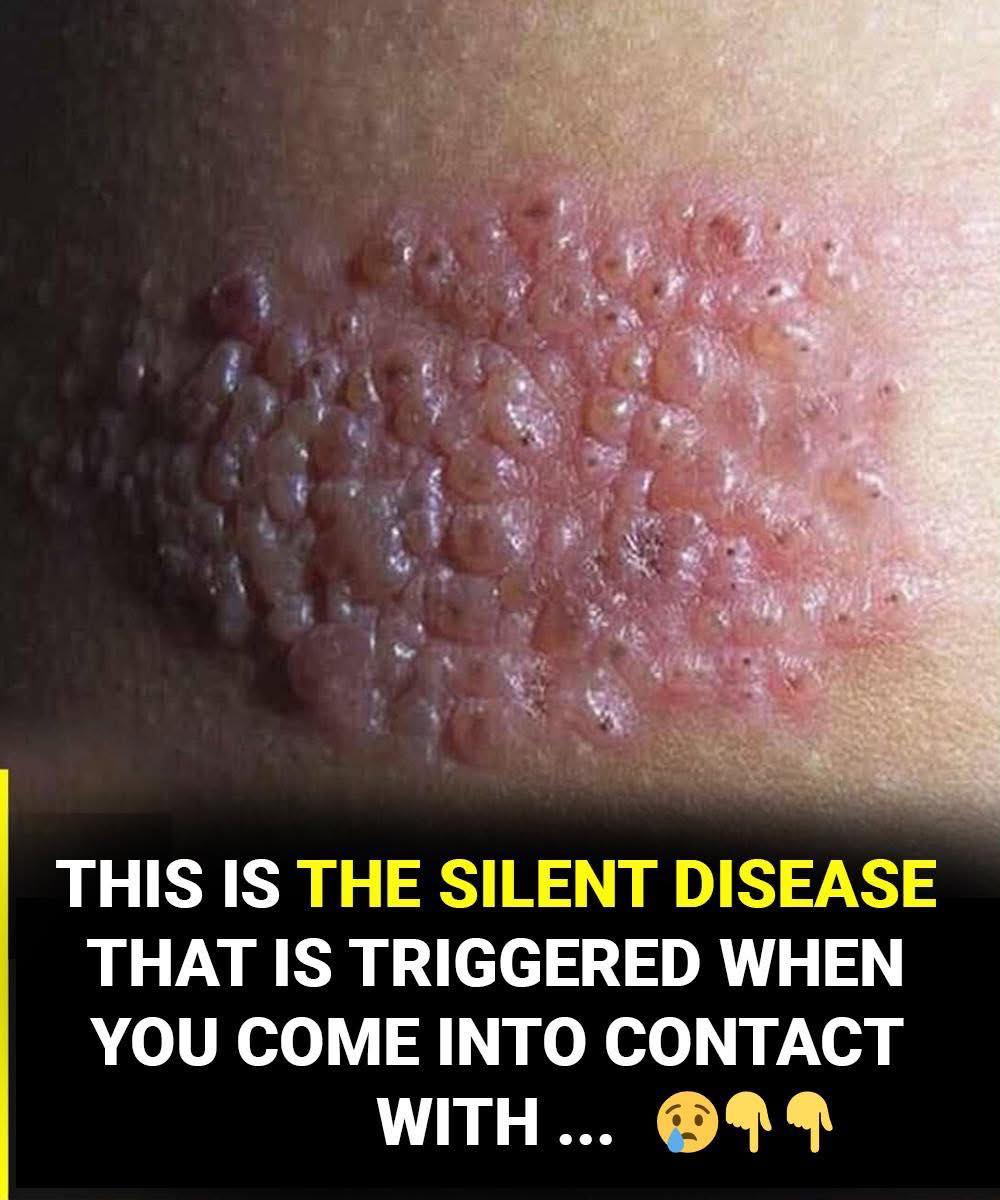
Shingles, medically known as herpes zoster, is a condition that often surprises people due to its sudden onset and the intensity of its symptoms.
Despite being relatively common, particularly among older adults, there is still widespread misunderstanding about what causes shingles, why it occurs, and how it can affect individuals who otherwise appear healthy.
Awareness and early recognition are crucial because timely intervention can significantly reduce the severity of the illness and prevent long-term complications.
At its core, shingles is caused by the varicella-zoster virus (VZV), the same virus responsible for chickenpox during childhood. When a person recovers from chickenpox, the virus does not leave the body entirely. Instead, it retreats into the nervous system, where it remains dormant for years or even decades.
Most people remain unaware of this silent viral presence until circumstances allow the virus to reactivate. This reactivation manifests as shingles, a painful and sometimes debilitating condition.
Why Does Shingles Occur? The Role of the Immune System
Shingles usually appears when the immune system is weakened or compromised. Several factors can trigger this reactivation:
- Natural aging – As people age, their immune defenses gradually decline, making it easier for dormant viruses to resurface. Shingles is particularly common in adults over 50, though it can occur at any age.
- Chronic illnesses – Conditions such as diabetes, kidney disease, or autoimmune disorders can strain the immune system, increasing vulnerability to viral reactivation.
- Medical treatments – Certain medications, especially immunosuppressive therapies used for cancer, organ transplants, or autoimmune conditions, can reduce the body’s ability to keep VZV dormant.
- Stress and trauma – Intense physical or emotional stress can suppress immune function. Even short-term stress, if severe, may trigger shingles in susceptible individuals.
Understanding these triggers emphasizes that shingles is not a random occurrence; rather, it is closely linked to the body’s ability to maintain immune balance. Even seemingly healthy individuals may develop shingles under the right conditions, highlighting the importance of overall wellness.
Early Symptoms: Recognizing the Subtle Warnings
One of the most challenging aspects of shingles is that it rarely appears without warning. Initial symptoms are often nonspecific and can easily be mistaken for other health issues, making early diagnosis difficult. Common early signs include:
- Localized pain or discomfort – Many patients report burning, stabbing, or tingling sensations in a specific area, often on one side of the body.
- Hypersensitivity – Even light touch or clothing contact can cause sharp pain or itching.
- Fatigue or flu-like symptoms – Some individuals may feel generally unwell, experience mild fever, or have headache and muscle aches.
These early symptoms can appear days to a week before the characteristic rash develops, offering a crucial window for early medical intervention. Ignoring these subtle signs can allow the virus to fully reactivate, potentially increasing the severity and duration of the illness.
The Shingles Rash: Distribution and Appearance
Once shingles progresses, the hallmark symptom is a painful, blistering rash, usually appearing on only one side of the body. The rash is not random; it follows the distribution of a specific nerve, known as a dermatome. This nerve-related pattern explains why shingles lesions do not spread uniformly across the body.
Typically, the rash begins as small red spots, which gradually develop into fluid-filled blisters. These blisters may crust over and heal within 2–4 weeks, but the associated pain can persist long after the skin clears. Some people experience:
- Clusters of blisters on the torso, face, or limbs
- Itching, burning, or deep nerve pain at the site of the rash
- Sensitivity to temperature changes or touch
Specialists note that the pain often outweighs the visible symptoms, making shingles more than just a skin condition—it is a nerve-centered disease that affects quality of life and daily functioning.
Why Timely Treatment Matters
Early recognition of shingles is essential because antiviral therapy is most effective when started within the first 72 hours of symptom onset. Prompt treatment can:
- Shorten the duration of the active infection
- Reduce the severity of the rash and pain
- Minimize the risk of complications, including postherpetic neuralgia (PHN)
Postherpetic neuralgia is one of the most concerning long-term effects of shingles. It involves chronic nerve pain that can persist for months or even years after the rash heals, severely affecting sleep, mobility, and emotional well-being. The pain is often described as burning, stabbing, or deep aching, and it can disrupt everyday activities and reduce overall quality of life.
Because of this, healthcare providers emphasize that any early sign of shingles should not be ignored. Even minor tingling or localized discomfort warrants medical consultation, especially for individuals at higher risk due to age, chronic illness, or immune suppression.
Once shingles (herpes zoster) manifests, its progression follows a recognizable but highly individual pattern. The illness is not merely a skin condition; it is fundamentally a nerve-centered viral reactivation. This means that even when the visible rash resolves, the impact on the nervous system can persist, sometimes for months or years.
Progression of Symptoms: From Tingling to Blisters
After the initial warning signs—such as tingling, burning, or localized pain—the shingles rash typically emerges within 2 to 7 days. The pattern and intensity of the rash often vary depending on the affected dermatome:
- Torso (most common) – Blisters usually appear in a stripe or band wrapping around one side of the chest or back.
- Face (less common, but higher risk) – Lesions may involve the forehead, eyes, or even the tip of the nose, which is known as Hutchinson’s sign and signals potential eye complications.
- Limbs – Less commonly, shingles can affect an arm or leg, producing a linear pattern along a nerve pathway.
The blisters evolve from small red spots to clusters of fluid-filled vesicles, which then crust and gradually heal. During this phase, the pain is often at its peak. Many patients describe it as:
- Sharp, stabbing, or electric-like sensations
- Deep, throbbing aches that persist even at rest
- Burning or hypersensitivity where even clothing or gentle touch triggers discomfort
These nerve-related symptoms occur because VZV reactivates in the dorsal root ganglia, a collection of nerve cells near the spinal cord. The virus travels along the sensory nerves to the skin, producing both the rash and intense pain.
Complications: Postherpetic Neuralgia and Beyond
One of the most concerning aspects of shingles is the risk of postherpetic neuralgia (PHN). PHN is a chronic pain condition that can last for months or even years after the rash has resolved. It results from nerve damage caused by the viral reactivation and may present as:
- Continuous burning or stabbing pain
- Sensitivity to light touch (allodynia)
- Intermittent shocks of sharp pain in the affected area
PHN can significantly impact daily life, causing sleep disturbances, anxiety, and depression. Older adults and individuals with severe initial shingles pain are at the highest risk.
Other potential complications, although less common, include:
- Vision problems or blindness – If shingles affects the eye (ophthalmic zoster), it can lead to corneal scarring, glaucoma, or even permanent vision loss.
- Neurological issues – In rare cases, shingles can cause inflammation of the brain (encephalitis), facial paralysis (Ramsay Hunt syndrome), or hearing loss.
- Skin infections – Blisters that are scratched or not properly cared for may become infected with bacteria.
Understanding these risks underscores why early diagnosis and treatment are essential. Prompt antiviral therapy, combined with pain management, can reduce both the severity of the rash and the likelihood of long-term complications.
Contagion: How Shingles Can Affect Others
A common misconception about shingles is that it is highly contagious in the same way as chickenpox. While it is true that shingles arises from the varicella-zoster virus, the disease manifests differently depending on the host:
- Shingles itself is not directly contagious. You cannot “catch shingles” from someone who has it.
- However, the varicella-zoster virus can spread from a person with active shingles to someone who has never had chickenpox or has not been vaccinated. In such cases, the exposed individual may develop chickenpox, not shingles.
Because of this partial risk of transmission, people with shingles are advised to:
- Avoid contact with pregnant women, newborns, or immunocompromised individuals during the active phase.
- Cover the rash to prevent fluid from blisters from coming into direct contact with others.
- Practice diligent hand hygiene after touching the affected area.
These precautions are particularly important in healthcare settings, where patients may be vulnerable to severe viral infections.
Pain Management and Symptom Relief
Pain during shingles can be debilitating, and managing it is a critical component of care. Treatment strategies include:
- Antiviral medications – Drugs such as acyclovir, valacyclovir, or famciclovir are most effective when started within 72 hours of symptom onset. They reduce viral replication, limit rash severity, and decrease the likelihood of PHN.
- Analgesics and nerve pain medications – Pain relief may involve over-the-counter options like acetaminophen or ibuprofen, or prescription medications such as gabapentin, pregabalin, or topical lidocaine patches.
- Supportive care – Applying cool compresses, keeping the rash clean and dry, and wearing loose clothing can reduce discomfort.
Beyond medications, some patients benefit from mind-body approaches like relaxation techniques, meditation, or gentle physical therapy to cope with chronic nerve pain.
Preventive Measures and Vaccination
In recent years, prevention has become a central focus in the fight against shingles. Vaccines designed specifically for older adults and high-risk individuals significantly reduce both the incidence and severity of shingles. Current recommendations include:
- Shingrix (recombinant zoster vaccine) – Highly effective in preventing shingles and postherpetic neuralgia, recommended for adults aged 50 and older.
- Routine vaccination – For those with weakened immune systems or chronic illnesses, vaccination provides added protection against severe disease.
Prevention goes beyond vaccination. Maintaining a healthy immune system through balanced nutrition, regular exercise, adequate sleep, and stress management can also reduce the likelihood of viral reactivation.
Shingles, or herpes zoster, is more than a temporary skin eruption; it is a complex disease that requires a multifaceted approach to treatment and care. The third phase of understanding shingles involves not only addressing the active infection but also anticipating complications, supporting nerve recovery, and preventing recurrence.
Comprehensive Medical Treatment
The cornerstone of shingles treatment is early antiviral therapy. Medications such as acyclovir, valacyclovir, and famciclovir inhibit viral replication and can dramatically influence outcomes if administered promptly—ideally within the first 72 hours of symptom onset. Early treatment has been shown to:
- Reduce the severity of the rash and associated inflammation
- Shorten the duration of active symptoms
- Decrease the likelihood and intensity of postherpetic neuralgia (PHN)
In addition to antivirals, doctors often recommend a combination of supportive therapies to manage symptoms:
- Pain Management – Because shingles involves nerve inflammation, pain can be intense and persistent. Treatment options include:
- Topical analgesics, such as lidocaine patches or capsaicin cream, applied to affected areas
- Oral pain medications, including acetaminophen or nonsteroidal anti-inflammatory drugs (NSAIDs)
- Neuropathic pain medications, such as gabapentin or pregabalin, for nerve-specific discomfort
- Corticosteroids (in selected cases) – Short courses of corticosteroids may be used to reduce severe inflammation, particularly when nerve involvement threatens vision or neurological function.
- Supportive Care – Keeping blisters clean and dry, applying cool compresses, wearing loose clothing, and maintaining hydration can reduce irritation and support healing.
- Ophthalmic Care – If shingles affects the eye, immediate referral to an ophthalmologist is crucial. Eye involvement can lead to serious complications, including corneal ulcers, glaucoma, and vision loss.
Managing Chronic Pain: Postherpetic Neuralgia
For some individuals, the most debilitating effect of shingles is PHN, a chronic nerve pain condition that can last months or years. Effective management of PHN requires a holistic approach:
- Pharmacological strategies: Neuropathic pain medications remain first-line treatment. In some cases, low-dose antidepressants like amitriptyline or duloxetine are used to modulate nerve pain.
- Topical treatments: Lidocaine or capsaicin patches can provide localized relief, particularly for hypersensitive areas.
- Physical therapy: Gentle exercises and nerve desensitization techniques may help improve mobility and reduce pain intensity.
- Psychological support: Chronic pain can significantly affect mood and sleep. Cognitive-behavioral therapy (CBT), meditation, and stress reduction strategies can improve coping mechanisms and overall quality of life.
Early intervention and ongoing management are critical. Studies show that patients who begin comprehensive pain treatment soon after rash onset have a better prognosis and a lower risk of long-term complications.
The Importance of Patient Education
Education is a vital component of shingles care. Many individuals delay seeking medical attention due to:
- Misunderstanding early symptoms
- Assuming the rash will resolve on its own
- Fear or uncertainty about antiviral medications
Healthcare providers emphasize that recognizing the early warning signs—tingling, burning, or localized pain—is crucial. Informed patients are more likely to seek prompt medical care, start treatment early, and follow preventive strategies that reduce recurrence risk.
Patients should also be educated about lifestyle factors that support immune health, including:
- Balanced nutrition: Adequate protein, vitamins (especially vitamin C and D), and minerals support immune function.
- Regular exercise: Moderate physical activity enhances immune surveillance and overall health.
- Stress management: Mindfulness, yoga, and sufficient sleep reduce immune suppression caused by chronic stress.
- Vaccination awareness: Understanding the role of shingles vaccines can prevent severe illness and complications.
Vaccination: A Powerful Preventive Tool
Vaccination is one of the most effective ways to prevent shingles and its complications. The Shingrix vaccine, recommended for adults 50 years and older, has shown over 90% efficacy in preventing shingles and PHN. Key points about vaccination include:
- Two-dose regimen: The second dose is administered 2–6 months after the first to ensure robust immunity.
- Effectiveness in older adults: Even individuals in their 70s and 80s benefit significantly, with reduced severity of symptoms if shingles occurs.
- Safety: Common side effects are mild and include injection-site pain, redness, or fatigue. Serious side effects are rare.
Vaccination, combined with healthy lifestyle habits, creates a dual layer of defense—reducing both the incidence of shingles and the risk of severe complications.
Holistic Approach: Beyond Medication
Addressing shingles effectively requires more than just antiviral treatment. A holistic strategy includes:
- Monitoring for early signs and symptoms
- Implementing pain management protocols tailored to individual needs
- Supporting nerve recovery through physical therapy and mental health interventions
- Educating patients and caregivers about disease transmission and preventive measures
This comprehensive approach not only mitigates the physical effects of shingles but also supports emotional well-being, empowering patients to regain confidence in their health.
Conclusion: Vigilance, Prevention, and Health Awareness
Shingles is a well-known but often underestimated condition. Its significance extends beyond a painful rash: it is a signal of the complex interplay between viruses, nerves, and the immune system.
Key takeaways for individuals and caregivers include:
- Recognize the early warning signs, such as localized pain, tingling, or hypersensitivity.
- Seek medical attention promptly; early antiviral therapy is essential.
- Implement pain management strategies and monitor for chronic effects like PHN.
- Practice preventive measures, including vaccination and lifestyle interventions that support immune function.
- Educate yourself and your community about shingles transmission and risk factors.
Ultimately, shingles serves as a reminder that health is proactive, not reactive. By understanding its origins, recognizing its early symptoms, and following a comprehensive care plan, individuals can significantly reduce the physical, emotional, and social burden of this disease. Vigilance, prevention, and timely action are the best tools for ensuring that shingles, while painful, does not result in unnecessary complications or long-term suffering.
