
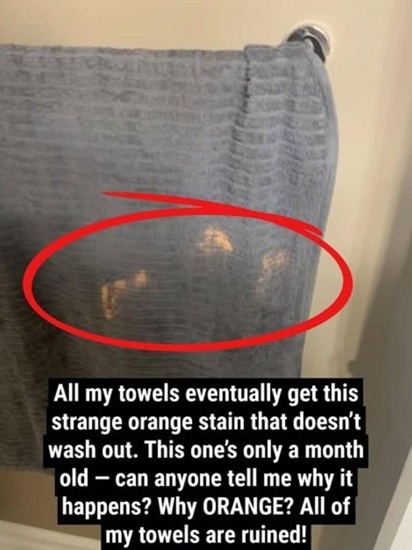
Benzoyl peroxide, a cornerstone ingredient in acne treatment, is found in widely used products such as PanOxyl, Clearasil, Neutrogena, and prescription formulas.
Its antibacterial and anti-inflammatory properties make it highly effective but potentially destructive to textiles. When benzoyl peroxide contacts fabrics, especially towels, it acts as a strong oxidizer.
The chemical reaction can strip color from fibers, leaving pale, orange, or yellow patches. Darker fabrics like navy, black, and charcoal are most vulnerable.
The bleaching effect occurs because peroxide breaks down the dye molecules in the textile. Fibers lose their original pigment, exposing lighter underlying threads. This process is irreversible, meaning regular washing or stain removal cannot restore color once affected.
Identifying oxidized stains is simple: if the spot is lighter than the towel’s fabric, it’s chemical bleaching. Conversely, darker marks typically indicate dirt, residue, or soap buildup rather than a chemical reaction with peroxide.
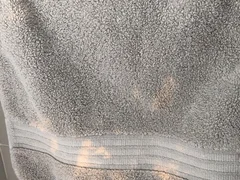
Unfortunately, once towels are affected, washing them with other laundry can spread residual oxidizing compounds. This cross-contamination risks discoloring additional fabrics, further compounding the frustration for households attempting to maintain colorful or dark textiles.
Benzoyl peroxide is not the only source of discoloration. Rust from aging pipes or mineral-rich water can produce reddish-brown stains on towels. Hard water can accelerate these reactions, especially when towels remain damp for extended periods.
Microorganisms can also cause temporary marks. For example, the bacterium Serratia marcescens can form pink or orange films on damp towels or bathroom surfaces. While visually similar, these marks are easily cleaned and do not permanently damage fabric.
To prevent towel bleaching, many experts recommend designating white or light-colored towels exclusively for facial use. This reduces exposure to acne treatments and prevents accidental chemical reactions that compromise the integrity of colored towels.
Rinsing skin thoroughly after applying benzoyl peroxide is also critical. Excess product left on the face or body can transfer to towels during drying, initiating oxidation and resulting in permanent discoloration over time.
Alternative acne treatments, such as salicylic acid or glycolic acid cleansers, can minimize the risk of towel damage. While effective for pore cleansing and mild acne, these compounds are far less reactive with fabrics, making them safer for daily use.

Damaged towels need not be discarded. They can be repurposed as gym towels, cleaning rags, dusting cloths, or workshop materials. This reuse extends their functional lifespan while reducing textile waste in households.
The chemical behavior of benzoyl peroxide involves the release of oxygen radicals. When these radicals interact with fabric fibers, the pigments oxidize, breaking molecular bonds and permanently altering color, a process similar to mild bleaching in laundry.
Environmental conditions influence the severity of the effect. High heat, direct sunlight, and repeated wash cycles accelerate dye breakdown. Damp towels left in humid bathrooms experience prolonged chemical exposure, compounding the risk of visible stains.
The cumulative effect of repeated exposure is significant. Even small amounts of benzoyl peroxide left on towels over time can weaken fibers, causing brittleness, fraying, and a reduction in absorbency, in addition to permanent discoloration.
Fabric composition matters. Cotton, prized for its softness and absorbency, is especially susceptible to chemical bleaching, while synthetic blends may resist slightly. However, all natural and synthetic fibers can be damaged under repeated exposure.
Proper laundry practices are essential. Using mild detergents, avoiding high heat in washing and drying, and separating chemically exposed towels can protect both towels and other fabrics from oxidative damage caused by acne treatments.
Decorative patterns, stripes, embroidery, and prints on towels are particularly vulnerable. The uneven dye exposure can lead to noticeable patchiness, making bleaching more visually disruptive compared to solid-colored towels.

Acne treatment stains are not limited to towels. Pillowcases, bathrobes, sheets, and even clothing can be affected. Awareness and preventive routines are necessary across all frequently contacted fabrics to minimize chemical bleaching risks.
Consumer awareness is growing. Online skincare communities and forums frequently discuss these issues, sharing advice for avoiding discoloration, proper towel use, and methods for repurposing or salvaging damaged textiles effectively.
For households with teenagers or frequent acne treatment users, proactive labeling and assigning dedicated towels reduces accidental bleaching and ensures long-term preservation of family laundry items.
Some dermatologists suggest lower-concentration benzoyl peroxide products for at-home use. Reducing peroxide percentage decreases the risk of towel damage while maintaining effectiveness for mild-to-moderate acne treatment.
Even professional laundering cannot fully reverse chemical bleaching. Oxidation alters fibers at a molecular level, making dye restoration nearly impossible and emphasizing the importance of preventive care before damage occurs.
DIY approaches such as re-dyeing towels can partially restore color. Results depend on fiber type, damage severity, and dye quality. While creative, these solutions require careful experimentation and realistic expectations.
Water quality influences bleaching severity. Hard water with high mineral content can accelerate oxidation reactions and lead to uneven discoloration, whereas soft water slows the process but cannot prevent it entirely.

Repeated exposure also impacts towel texture. Oxidation can cause cotton fibers to weaken, resulting in a rougher surface, fraying edges, and reduced absorbency, which affects both aesthetic and functional qualities of bathroom textiles.
Ultimately, the patches of orange, yellow, or pale discoloration on towels reflect a chemical reaction with everyday skincare routines. Simple changes in laundry habits, fabric choice, and product management can prevent future damage effectively.
Understanding the chemistry behind benzoyl peroxide allows consumers to balance skincare efficacy with textile preservation. Recognizing the oxidizing potential enables informed decisions on towel selection, usage, and care in households.
Repurposing damaged towels promotes sustainability. Even if cosmetic damage is irreversible, towels can serve functional purposes like cleaning, gym, or workshop cloths, ensuring they remain useful while minimizing household waste.
Experts recommend consistent monitoring of towel condition, including separating newly bleached fabrics from other laundry, and carefully rinsing both skin and towels after acne treatments to maintain color integrity and fabric longevity.
Households with frequent acne treatment users benefit from establishing dedicated routines and designated towel sets, which reduce accidental exposure, prevent chemical transfer, and maintain the appearance of other textiles.
Benzoyl peroxide stains demonstrate the trade-off between powerful skincare chemistry and household textiles. Awareness, preventive care, and strategic product use ensure that beauty routines do not compromise fabric longevity or household hygiene.
By following simple preventive measures, including rinsing, dedicated towels, and considering alternative acne treatments, households can achieve effective skincare results while minimizing unwanted fabric bleaching and preserving the functional quality of bathroom textiles.
In conclusion, benzoyl peroxide remains a vital skincare tool but can permanently affect colored towels. Knowledge, preventive practices, and careful product management allow users to protect their fabrics while enjoying the full benefits of acne treatment.
