
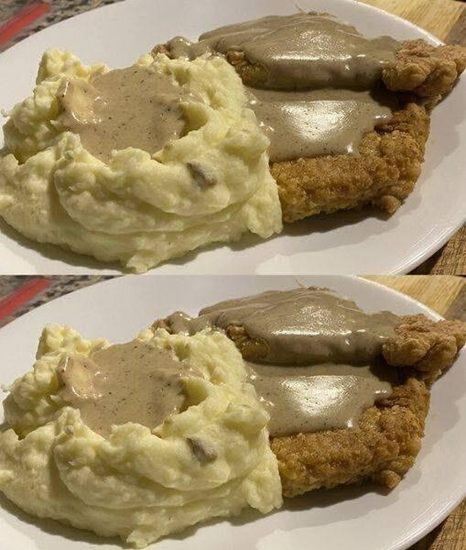
Mashed potatoes are a timeless comfort food loved across cultures, but the way most people prepare them often limits their potential. Boiling in plain water can strip potatoes of flavor, leaving the end result flat and unremarkable.
During conventional boiling, potatoes absorb water while losing natural starch and inherent taste. This dilution results in a mash that often feels bland, watery, or overly soft, requiring excess butter, cream, or salt to compensate.
Many home cooks unknowingly rely on heavy additions to rescue flavor. While butter, cream, and salt can enhance taste, they cannot replace the natural richness that develops when potatoes are cooked thoughtfully from the start.
A simple technique transforms the dish completely: boiling potatoes in chicken or vegetable stock instead of plain water. This method infuses savory flavor internally, ensuring the potatoes taste fully seasoned before mashing even begins.

Leaving the skins on while boiling adds another layer of texture and complexity. The skins contribute earthiness, maintain additional nutrients, and create a slightly rustic mash that feels more satisfying and visually appealing.
Choosing the right potatoes further enhances the outcome. Yukon Golds provide a naturally creamy texture and buttery flavor, while Russets offer fluffiness and excellent absorption, making them ideal for stock-based mashes.
Proper cooking technique is essential. Boiling potatoes gently in simmering stock ensures even cooking, prevents waterlogging, and helps retain flavor. Overcooking or rushing this step can result in a mealy or waterlogged mash.
After cooking, mashing should be done carefully to preserve a slight texture. Over-mashing can lead to gluey potatoes, while folding ingredients gradually maintains creaminess and allows flavors to integrate naturally.
Simple additions can elevate the dish further. Sour cream, a touch of butter, or finely chopped herbs such as chives, parsley, or thyme enhance flavor without overpowering the potato’s natural taste.

Aromatics like roasted garlic, caramelized onions, or sautéed leeks can be incorporated to add depth. Cooking these alongside the potatoes or blending them into the mash introduces a subtle sweetness and complexity that enhances overall flavor.
Warming dairy or butter before folding it into the mash helps maintain temperature and smoothness. Cold additions can shock the potatoes, creating an uneven texture and reducing the luxurious mouthfeel that a perfect mash should deliver.
Stock-based mashed potatoes are ideal for pairing with hearty main dishes. The infused flavor complements roasted meats, poultry, or vegetables, ensuring the side dish contributes richness rather than being overshadowed by other components.
Salting during cooking is also crucial. Adding a small amount of salt to the boiling stock seasons the potatoes internally, allowing for better balance and reducing the need for excessive seasoning after mashing.
For a creamier finish, fold in warmed milk or cream gradually. This ensures a silky texture that maintains body, avoids being heavy, and complements the natural flavor enhanced by the stock.

Mashed potatoes prepared this way hold up well for make-ahead meals or large gatherings. The stock infusion ensures they retain flavor and consistency, even when reheated, making them practical for holiday or family dinners.
Presentation can also be enhanced through thoughtful finishing touches. Garnishing with fresh herbs, a drizzle of high-quality olive oil, or a small knob of butter creates an appealing, restaurant-quality look and emphasizes flavor.
Using stock instead of water is not only more flavorful but also nutritionally advantageous. Stock contains minerals and natural seasoning, reducing the need for artificial flavoring and resulting in a more wholesome, balanced dish.
The subtle but noticeable difference between water-based and stock-based mashes often surprises first-time cooks. The potatoes taste fuller, richer, and more savory, almost as if they were naturally seasoned from within rather than relying solely on additions.
This method aligns with a broader philosophy in modern cooking: achieving superior flavor through small, thoughtful adjustments rather than heavy-handed intervention, emphasizing the importance of technique and ingredient quality.

Once you experience stock-boiled potatoes, returning to plain water may feel underwhelming. The depth of flavor, enhanced texture, and natural richness reveal how a simple change can completely transform a classic favorite.
Mashed potatoes prepared in this way offer versatility for creative variations. Ingredients like roasted vegetables, cheeses, or herbs can be folded in, allowing cooks to tailor the dish to personal preferences while maintaining its rich, balanced flavor.
Careful attention to every step—from potato selection and boiling method to gentle mashing and final seasoning—ensures that each serving has maximum flavor, optimal texture, and an overall professional quality that elevates the meal.
The approach emphasizes patience and mindfulness in cooking. By focusing on technique and flavor-building from the start, home cooks can achieve results that rival restaurant-quality mashed potatoes without complicated or time-consuming methods.

Ultimately, using stock and careful preparation turns mashed potatoes from a simple, utilitarian side dish into a showcase of flavor, texture, and culinary skill. Small changes result in a significant upgrade that is both satisfying and memorable.
This method demonstrates that even a familiar dish can be reinvented with thoughtful technique. Stock infusion, skin-on cooking, and careful mashing ensure mashed potatoes become rich, aromatic, and flavorful without relying excessively on butter or cream.
Mashed potatoes done this way illustrate the power of culinary mindfulness. Attention to liquid, seasoning, and technique can transform a standard side into a dish that is flavorful, visually appealing, and deeply satisfying with every bite.
