
Marriage is often described as one of life’s most profound journeys—a dynamic, evolving partnership that encompasses both the deep bond between two individuals and the personal growth of each person over time.
Unlike a static contract or social formality, marriage is a living, breathing relationship, continuously shaped by experience, maturity, shifting priorities, and self-awareness.
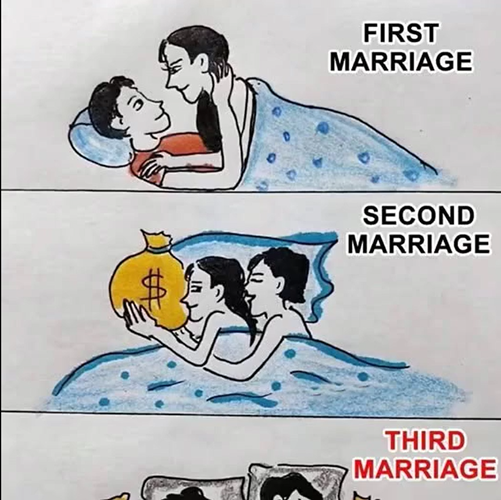
It reflects not only the union of two hearts but also the convergence of values, histories, and emotional patterns. Each marriage, whether a first, second, or even third, carries lessons of profound significance. While a first marriage may be defined by idealism and discovery, subsequent marriages often illustrate resilience, reflection, and emotional refinement. Rather than being a series of failures or repetitions, each stage of marital life is an evolution—an ongoing process of learning what love, commitment, and partnership truly entail.
Across cultures and centuries, marriage has been celebrated not merely as a social institution but as a spiritual, emotional, and practical bond. Philosophers and psychologists alike have noted that human relationships, particularly marriages, act as mirrors, reflecting both strengths and vulnerabilities. When couples navigate the challenges of daily life—career pressures, raising children, financial planning, health issues—they encounter opportunities for growth and mutual understanding. Each challenge, whether large or small, becomes a potential lesson in empathy, compromise, and communication.

The First Marriage: Idealism, Discovery, and Foundational Learning
For many individuals, the first marriage represents a combination of hope, romantic idealism, and an eagerness to build a shared life. Couples often enter this stage envisioning a future filled with companionship, achievement, and emotional fulfillment. There is an abundance of optimism and excitement, and many first-time partners carry the belief that love alone is sufficient to sustain them through life’s inevitable obstacles. This optimism can serve as a source of inspiration, motivating couples to take risks together, plan for shared goals, and embrace new experiences. However, this idealism also carries potential pitfalls, particularly when expectations collide with reality.
Romantic Ideals and Early Challenges
First marriages frequently emerge in early adulthood, when individuals are still forming their sense of identity and independence. In this period, romantic ideals are often influenced by family models, cultural norms, media portrayals, and personal fantasies about love. Many first-time spouses may assume that mutual attraction, shared hobbies, or emotional passion is enough to guarantee long-term compatibility. They may underestimate the complexities of cohabitation, financial management, or the interpersonal negotiations required to sustain a lasting union.
As reality sets in, couples may encounter differences that were previously unnoticed or minimized. These can include contrasting approaches to conflict, divergent financial habits, incompatible social expectations, or differing family priorities. For instance, one partner might prioritize financial security and budgeting rigorously, while the other values spontaneous experiences and flexible spending. Simple tasks—such as dividing household chores, planning vacations, or managing daily schedules—can unexpectedly become points of tension. These challenges often illuminate deeper personality traits and communication patterns, forcing each partner to navigate compromise while retaining individuality.
Navigating Life Transitions Together
First marriages often coincide with other major life transitions. Partners may be establishing careers, moving to new cities, pursuing higher education, or welcoming children into the family. Each transition brings unique stressors that can strain even the most harmonious relationship. For example, the arrival of a child may introduce sleep deprivation, differing parenting philosophies, and additional financial responsibility. Couples must adjust to new routines and negotiate responsibilities while maintaining intimacy and emotional connection. Similarly, career changes—relocation, long hours, or job stress—can impact the emotional availability of each partner, requiring intentional communication and mutual support.
Because first marriages are often entered with limited experience in long-term partnerships, many individuals have yet to develop the tools for constructive conflict resolution. Misunderstandings, passive-aggressive behaviors, or avoidance can magnify minor disagreements. When partners struggle to articulate their needs clearly or respond without defensiveness, small issues may snowball into significant emotional distance.
Yet the value of a first marriage lies in its lessons. This stage teaches the importance of compromise, patience, vulnerability, and shared responsibility. It fosters self-awareness and emotional intelligence, helping individuals recognize patterns in their relational behavior—both healthy and unhealthy. Even when a first marriage ends, whether through divorce or mutual separation, it provides foundational insights into communication, trust, and emotional needs that profoundly shape subsequent relationships. The experience becomes a rich repository of knowledge for those entering future partnerships.

The Transition to a Second Marriage: Reflection, Realism, and Rebuilding
By the time someone enters a second marriage, the emotional landscape is markedly different. Experience has replaced innocence, and reflection has often replaced assumption. Individuals have usually confronted the realities of relational dynamics, including their own behavioral patterns, communication challenges, and emotional triggers. These insights create an opportunity for a second union to be approached with greater clarity, intentionality, and emotional grounding.
Second marriages tend to be more realistic than first unions. While first marriages are often guided by idealized visions of love and partnership, second marriages frequently incorporate lessons learned from previous mistakes. Individuals are more aware of potential pitfalls and are often better equipped to navigate conflict, negotiate boundaries, and foster emotional safety. Expectations shift from perfection to compatibility, from blind optimism to pragmatic hope.
Self-Awareness and Emotional Insight
A defining feature of second marriages is heightened self-awareness. Individuals often enter with a clearer understanding of:
- Their personal values and non-negotiables
- Patterns of behavior that contributed to conflict in prior relationships
- Communication strengths and areas needing improvement
- Emotional needs and coping strategies
This self-knowledge facilitates healthier dynamics from the outset. Couples may proactively discuss sensitive topics, including finances, career ambitions, parenting philosophies, long-term goals, and lifestyle choices. Transparency becomes a priority, and many couples are more willing to seek professional guidance—such as premarital counseling or mediation—when conflicts arise.
The Complexities of Blended Families
Second marriages often involve blending families, which introduces a unique set of challenges. Children from previous relationships may experience loyalty conflicts, anxiety, or adjustment difficulties. Stepparents must navigate the delicate balance between establishing authority and nurturing trust. Gradual, consistent, and empathetic engagement is crucial to building positive family dynamics.

Financial complexities can also increase. Previous obligations, such as child support, alimony, property settlements, or existing investments, require careful negotiation. Couples must establish transparent agreements about shared expenses, savings plans, and inheritance considerations. Open dialogue regarding these matters is essential to prevent misunderstandings and foster partnership built on trust.
Emotional scars from earlier relationships can surface in the form of insecurity, mistrust, or fear of repeating past mistakes. Addressing these issues openly and compassionately allows couples to build resilience, reinforce trust, and cultivate a stable, mutually supportive relationship.
By the time individuals enter a third marriage, their perspective on partnership has often shifted significantly. While first marriages are guided by idealism and second marriages by realism and reflection, third marriages frequently emphasize authenticity, emotional intimacy, and mutual respect. Societal pressures, traditional timelines, and external expectations take a secondary role to personal fulfillment, inner alignment, and conscious choice.
Those entering a third marriage have usually developed a nuanced understanding of both themselves and their relational needs. They often know which traits are essential in a partner, which conflicts are deal-breakers, and which challenges can be navigated collaboratively. This heightened self-awareness allows for more intentional and emotionally grounded partnerships.
Emotional Maturity as a Cornerstone
A hallmark of many third marriages is emotional maturity. Couples often demonstrate:
- Greater empathy and perspective-taking: Partners are able to recognize and validate each other’s feelings, even when they differ from their own.
- Enhanced conflict resolution skills: Rather than reacting impulsively, they approach disagreements with calm, rational problem-solving and a focus on resolution rather than blame.
- Patience and tolerance for imperfection: Individuals accept that no one is flawless, allowing the relationship to evolve without unrealistic expectations.
- Balanced interdependence and autonomy: Each partner maintains personal interests, friendships, and goals while nurturing shared experiences and mutual growth.
The maturity displayed in third marriages often translates into more resilient and satisfying partnerships. There is less emphasis on controlling or changing the other person, and more focus on supporting each other’s development. Independence and interdependence coexist harmoniously, fostering a sense of partnership rooted in trust, respect, and understanding.
Companionship and Emotional Fulfillment
Third marriages often prioritize companionship over external markers of success. Instead of striving to conform to societal norms, couples may focus on emotional connection, shared values, and meaningful experiences. The relationship becomes a source of comfort, peace, and stability. Emotional fulfillment replaces the pursuit of perfection, and intimacy is defined not just by passion, but by mutual understanding, respect, and shared life purpose.

Many individuals in third marriages emphasize quality time together as a way of reinforcing emotional bonds. This may involve shared hobbies, travel, volunteer work, or simple daily rituals such as cooking together, walking, or engaging in long conversations. Small gestures—like thoughtful notes, compliments, or acts of kindness—often have a profound impact, nurturing a sense of love and appreciation.
Redefining Success in Marriage
By the third union, individuals often redefine what marital success means. Longevity and public appearance become secondary to emotional satisfaction, mutual growth, and authenticity. A successful marriage is no longer measured by the avoidance of conflict or the absence of challenges, but by the couple’s ability to navigate difficulties together, maintain open communication, and support one another’s personal evolution.
This stage often represents renewal rather than repetition. Each partner consciously chooses to build a relationship aligned with present values, lessons learned, and desired emotional dynamics. Past experiences—both joyful and painful—inform decisions and provide a roadmap for healthier relational patterns.
Universal Foundations of a Healthy Marriage
Regardless of whether a marriage is a first, second, or third, certain foundational elements remain essential to sustaining a strong, lasting partnership. These pillars are consistent across cultures, ages, and life stages.
Open and Honest Communication
Effective communication is the backbone of any thriving relationship. Couples who communicate openly and respectfully are better equipped to navigate misunderstandings, resolve conflicts, and adapt to change. Key aspects include:
- Expressing needs clearly and respectfully: Partners articulate desires, concerns, and boundaries without resorting to blame or hostility.
- Active listening: Listening attentively, without interrupting or defending prematurely, helps partners understand each other deeply.
- Transparency about emotions and finances: Discussing emotional states, goals, and financial matters openly fosters trust and prevents hidden resentments.
- Addressing concerns early: Resolving small conflicts before they escalate contributes to a stable and emotionally safe environment.
Couples who master these communication practices cultivate a sense of reliability, emotional safety, and intimacy.
Empathy, Patience, and Support
Life inevitably presents stressors: career pressures, health challenges, family obligations, and unforeseen setbacks. Empathy allows partners to support one another through difficult times, while patience helps prevent minor disagreements from escalating. Demonstrating understanding, compassion, and tolerance strengthens the emotional bond and creates a foundation for enduring partnership.
Commitment to Shared Growth
A lasting marriage requires intentional effort. Growth is not automatic; it must be cultivated through shared experiences, reflective dialogue, and mutual support. Couples who prioritize emotional connection, celebrate milestones, and pursue joint goals build a resilient, evolving relationship. Challenges are reframed as opportunities for deeper understanding and mutual development, rather than threats to the union.

External Influences on Marriage
No marriage exists in isolation. Cultural background, family dynamics, financial stability, and personal ambitions all shape the nature of a relationship. Awareness and conscious navigation of these factors enhance relational success.
Cultural and Family Expectations
Cultural norms may influence gender roles, decision-making patterns, and expectations regarding family involvement. Partners must navigate these influences thoughtfully, balancing respect for tradition with their own values. Likewise, family history impacts relational approaches. Those exposed to healthy parental relationships often carry forward constructive models, while individuals from conflict-ridden or unstable family backgrounds may need deliberate strategies to cultivate healthier dynamics.
Financial Stability and Career Considerations
Economic pressures are a common source of stress in marriages. Transparent budgeting, shared financial planning, and goal alignment are critical. Career ambitions must also be reconciled with family responsibilities. Couples benefit from discussing professional aspirations, relocation plans, and long-term financial strategies to minimize tension and foster partnership.
Blended Families and New Traditions
In second or third marriages, blending families often presents both challenges and opportunities. Establishing new traditions, clarifying family roles, and setting expectations for discipline and communication help create cohesion. Thoughtful approaches to stepparenting, co-parenting, and extended family interactions contribute to a supportive and harmonious household environment.
One of the most transformative aspects of moving from one marriage to another is deep reflection. Individuals often take time to examine the successes and shortcomings of previous unions, identifying patterns, behaviors, and choices that influenced outcomes. This reflection is not about assigning blame but about fostering awareness, taking responsibility, and integrating lessons into future partnerships.
Reflective growth may involve:
- Identifying communication habits: Recognizing tendencies toward avoidance, defensiveness, or overreaction allows partners to develop healthier methods of expressing feelings.
- Addressing unresolved emotional wounds: Past hurts can linger, influencing trust, intimacy, and conflict resolution. Consciously working through these experiences enables individuals to enter new marriages with greater emotional freedom.
- Clarifying long-term priorities and values: Reflection allows individuals to define what truly matters in life and in partnership, from career ambitions to family goals to spiritual alignment.
- Establishing healthier boundaries: Understanding personal limits and expressing them clearly protects emotional well-being and enhances mutual respect.
Couples who intentionally engage in this reflective process bring greater stability, empathy, and insight into their marriages. The result is a more resilient, conscious, and satisfying partnership, grounded in self-awareness and shared commitment.
Marriage as an Ongoing Journey, Not a Destination
Marriage is not a destination marked by a wedding ceremony; it is a continuous journey of adaptation, growth, and renewal. Each stage of marital life—first, second, or third—offers unique opportunities for self-discovery, emotional development, and deeper connection. Recognizing marriage as a living process encourages couples to embrace change rather than fear it, understanding that challenges are opportunities for strengthening the bond rather than threats to it.
- First marriages often teach foundational lessons: compromise, emotional expression, and the navigation of day-to-day realities.
- Second marriages usually reflect conscious rebuilding, emotional realism, and deliberate communication strategies.
- Third marriages frequently embody maturity, authenticity, and a focus on companionship over social expectation.
Rather than measuring success by the absence of conflict or duration alone, couples increasingly evaluate marital success in terms of emotional fulfillment, shared growth, resilience, and authenticity. By reframing challenges as opportunities for collaboration, partners foster a lifelong sense of connection and shared purpose.
Couples who thrive over decades often cultivate several key practices that support emotional, practical, and relational health. These strategies are adaptable to any stage of marriage:
- Ongoing Communication Practice:
Regular check-ins, transparent discussions about finances, personal goals, or family matters, and active listening strengthen trust and prevent small misunderstandings from escalating. - Intentional Emotional Bonding:
Couples who prioritize daily gestures of love, gratitude, and appreciation maintain intimacy and reinforce the emotional connection that sustains them through challenges. - Shared Vision and Goal Setting:
Aligning on career plans, parenting philosophies, financial priorities, and lifestyle choices fosters unity and a sense of shared purpose. - Conflict as Growth Opportunity:
Viewing disagreements as chances for understanding rather than threats encourages patience, empathy, and collaborative problem-solving. - Balancing Independence and Togetherness:
Supporting individual growth, hobbies, friendships, and personal goals while nurturing shared experiences strengthens both partners and the relationship. - Adaptability and Flexibility:
Life is inherently dynamic—career changes, relocations, health issues, and aging all demand flexibility. Successful couples adapt together, preserving stability while embracing change. - Professional Support When Needed:
Seeking counseling, therapy, or mediation does not signify failure but demonstrates commitment to growth, problem-solving, and relational well-being.
The Role of External Influences in Lasting Marriages
Even the strongest unions are shaped by external factors, including culture, family history, financial pressures, and societal expectations. Awareness and thoughtful navigation of these influences are essential:
- Cultural and Social Context:
Understanding cultural traditions, societal expectations, and gender roles allows couples to honor heritage while creating a relationship that reflects their shared values. - Family Background:
Observations of parental or extended family dynamics often inform relationship patterns. Reflecting consciously on these influences helps couples avoid repeating destructive cycles and incorporate positive behaviors into their partnership. - Financial Realities:
Economic stability, career transitions, and retirement planning require transparent discussion and collaborative decision-making. Couples who engage in shared financial planning reduce stress and build mutual confidence. - Blended Families and Intergenerational Dynamics:
Second or third marriages may involve children, stepchildren, or extended family. Patience, clear boundaries, and consistent communication foster harmony and build trust among all members of the household.
Emotional Intimacy and Companionship: The Heart of Marriage
At its core, marriage is sustained by emotional intimacy and companionship. Beyond legal or social recognition, marriage thrives when partners nurture a deep connection that evolves over time. This includes:
- Shared Experiences and Memories: Joint adventures, rituals, hobbies, and family traditions strengthen the relational bond.
- Expressions of Appreciation: Regular acknowledgment of each other’s efforts, qualities, and contributions fosters mutual respect and positive reinforcement.
- Support Through Life’s Challenges: Emotional presence during stress, illness, or loss strengthens resilience and deepens trust.
- Continual Growth Together: Couples who invest in learning about each other, exploring new interests together, and setting shared goals sustain vitality and closeness.
Even small acts, like a kind word, gentle touch, or shared laughter, have cumulative impact, reinforcing the emotional fabric of the marriage.
Conclusion: Evolving Toward Meaningful, Lasting Partnership
The journey from first marriage to subsequent unions is not a simple narrative of repetition or failure—it is a story of evolution, reflection, and conscious growth. Each experience imparts lessons about personal values, emotional resilience, communication, and relational priorities. Individuals who embrace these lessons carry greater clarity, empathy, and wisdom into future partnerships, enabling them to build relationships aligned with authentic needs and desires.
Marriage, at its essence, is a dynamic partnership grounded in:
- Open, honest communication
- Mutual respect and empathy
- Shared responsibility and commitment
- Continuous emotional and personal growth
External circumstances—cultural expectations, family background, financial pressures—may vary, but the principles that sustain love remain constant. By embracing change, fostering authentic connection, and prioritizing mutual support, couples at any stage of life can cultivate marriages that are meaningful, resilient, and deeply fulfilling.
In every union, marriage offers an enduring opportunity for growth, connection, and renewal. Whether entering a first marriage with hope, a second with reflection, or a third with maturity, the partnership becomes a living testament to the capacity for love, adaptation, and shared fulfillment. By recognizing marriage as an evolving journey rather than a static destination, individuals can experience profound emotional richness, lifelong companionship, and the fulfillment of building something greater than themselves together.
