
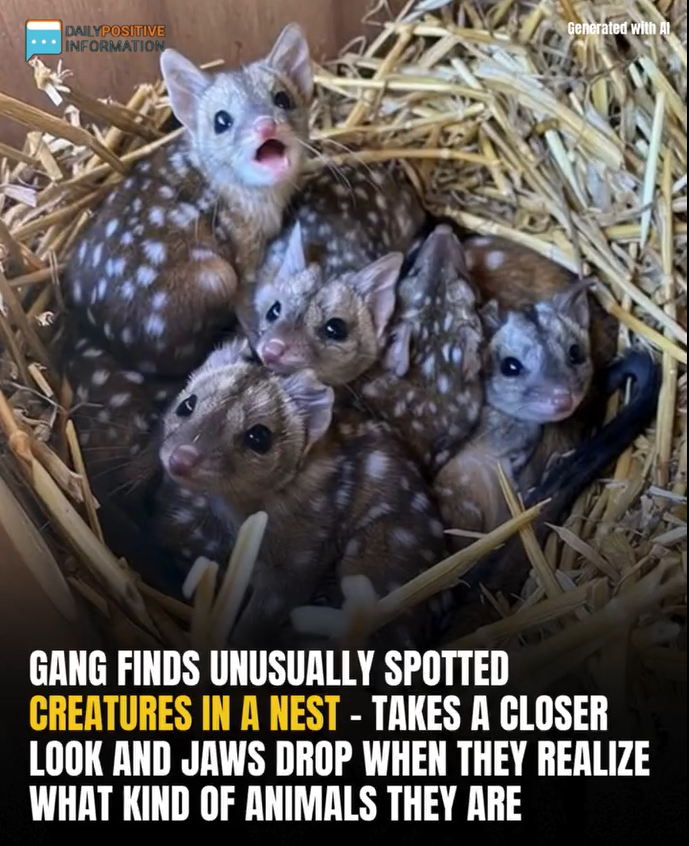
For decades, one of Australia’s native carnivorous marsupials teetered on the brink of extinction, its future uncertain as habitat loss and invasive predators decimated its numbers across the continent.
Recently, scientists and conservationists received an incredible boost — a sign that decades of dedicated recovery work may finally be paying off for the threatened western quoll.
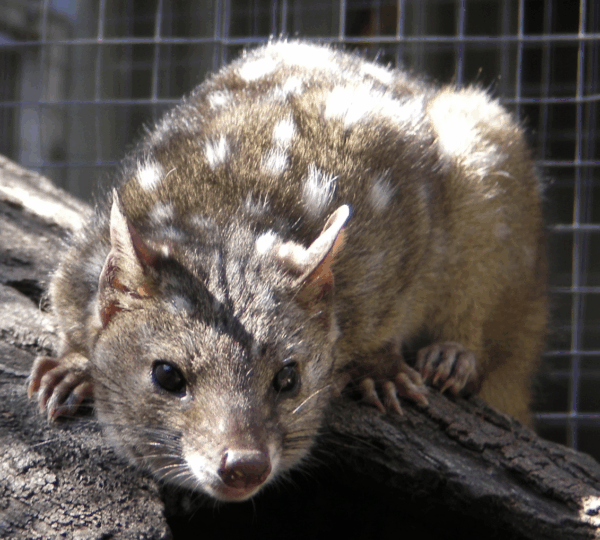
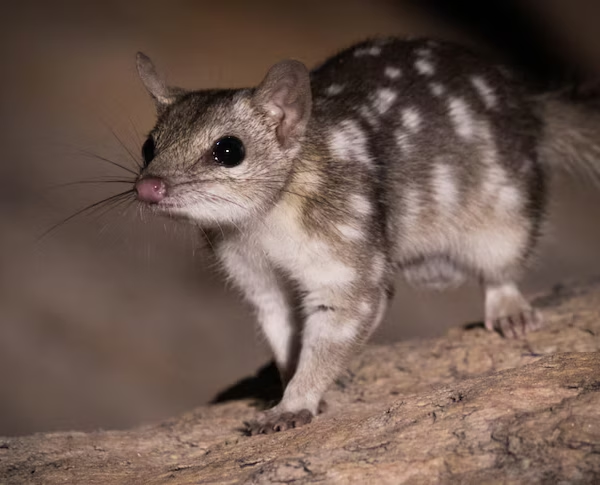
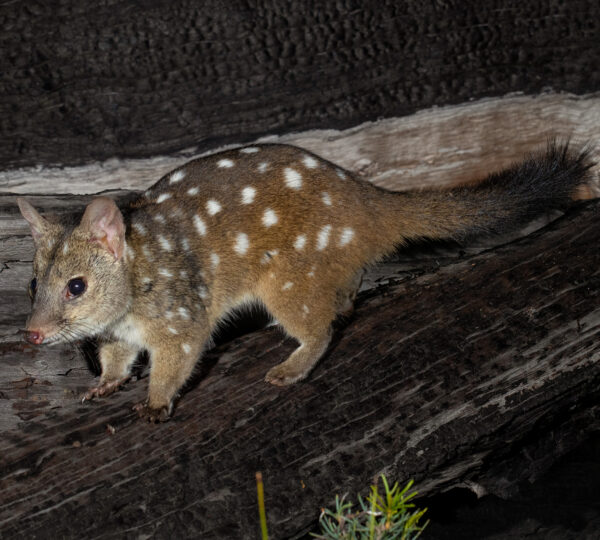
Known locally as the chuditch, the western quoll is a carnivorous marsupial native to Australia, historically found across much of the mainland before populations collapsed following European settlement.
This species, a medium‑sized predator about the size of a domestic cat, plays an important ecological role by helping control populations of insects, small mammals, and reptiles in healthy ecosystems.
By the early 20th century, however, the western quoll was all but wiped out across most of its range, surviving only in isolated pockets in the south‑west corner of Western Australia.
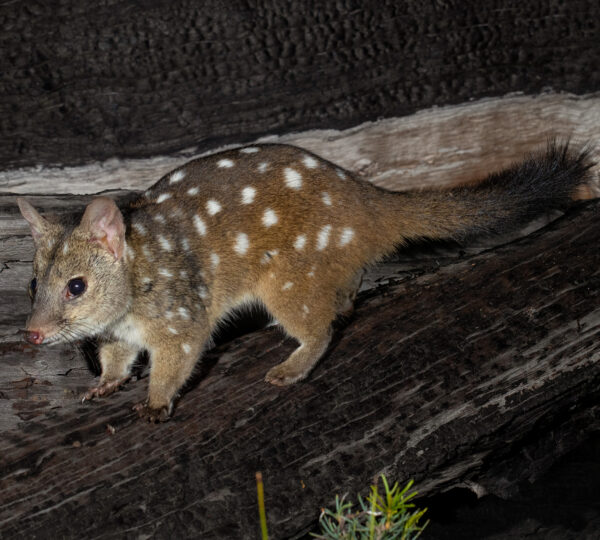
Predation by feral cats and foxes, loss of habitat from land clearing, and competition with introduced species drove this decline, leaving the quoll in a precarious conservation position.
Conservation groups and wildlife ecologists identified the species as vulnerable under national environmental laws and recognized that active intervention would be necessary to prevent its extinction.
One of the most ambitious recovery efforts took place at the Mount Gibson Wildlife Sanctuary, a 1,305‑square‑kilometre reserve in Western Australia’s Wheatbelt region managed by the Australian Wildlife Conservancy (AWC).
Located roughly 350 kilometres north‑east of Perth, Mount Gibson Sanctuary was originally a grazing property but has been transformed into a conservation stronghold for multiple threatened Australian mammals.
The sanctuary features vast tracts of natural vegetation, a rich diversity of native flora, and — most critically — ongoing predator control to reduce threats from feral cats and foxes.
In 2016, conservationists began a major push to reintroduce locally extinct species back into this protected habitat, starting with smaller mammals and expanding to carnivores like the western quoll.
For several years, ecologists carefully translocated quolls from breeding programs and wild populations into fenced, feral‑free enclosures at Mount Gibson Sanctuary — the first step in rebuilding populations.
Protected from predation by introduced mammals, these captive‑bred or translocated quolls were able to settle, forage, and establish territories within a safe, monitored environment.
By late 2023 and into 2024, camera traps — motion‑activated devices that capture photos and videos of wildlife — began to reveal something remarkable: young western quolls, born right inside the sanctuary.
For the first time in over a century, wild‑born quoll pups were detected at Mount Gibson Wildlife Sanctuary, an unmistakable sign that the animals were not just surviving but breeding successfully.
Ecologists were astonished when footage showed juvenile quolls tampering with food traps and moving confidently through their habitat, indicating they were independent and exploring the landscape without direct human aid.
“We had a mysterious case of cat‑trap tampering whereby the traps were closed, the bait was gone but no culprit inside,” recalled AWC field ecologist Erin Barritt, describing the first juvenile quolls spotted.
Camera footage revealed these young quolls eating bait and slipping out of traps using their small size — a behavior that ecologists quickly recognized as a sign of growing pups.
By comparing individual spot patterns on their fur, scientists confirmed that the juvenile quolls were indeed the offspring of the animals released into Mount Gibson — an extraordinary breakthrough.
The discovery of juvenile quolls, each identified by unique spot patterns likened to constellations, marked a historic milestone in conservation and restoration science.
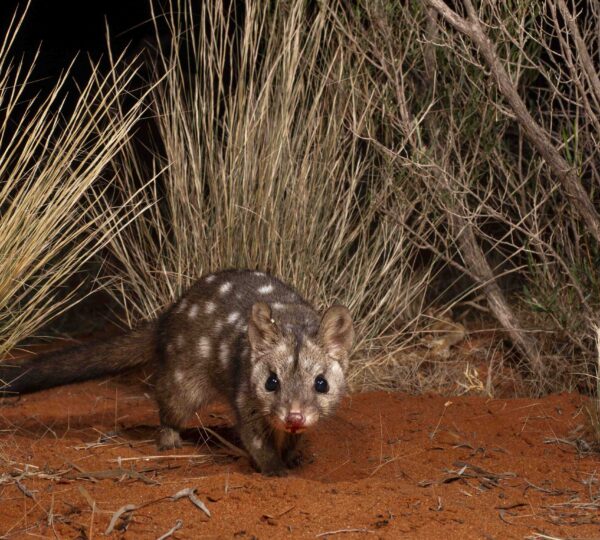
Researchers estimated that four independent quolls born at the sanctuary indicated not just initial reproduction but active population growth — something not seen for this species in the region for decades.
This successful reproduction represents a return to ecological conditions that may allow self‑sustaining quoll populations to become established once again in areas where they had disappeared.
Scientists note that western quolls are seasonal breeders, typically mating between late April and July and then raising two to six young per litter in their mother’s pouch.
After spending several weeks in the pouch, young quolls emerge and begin to explore their surroundings, eventually becoming independent as they learn to hunt and fend for themselves.
The existence of juvenile quolls at Mount Gibson indicates that mothers have successfully navigated the challenges of breeding, nursing, and raising young in a reintroduced environment.
This breeding success represents a major achievement for conservation and gives scientists confidence that the species can recover if threats like feral predation are controlled.
The long‑term monitoring of released quolls involves radio tracking, camera surveillance, and ecological surveys to gauge population growth, movement patterns, and habitat use.
Such monitoring helps ecologists understand how quolls are adapting to their new environment, which landscapes they prefer, and how they interact with other wildlife in the sanctuary.
The data collected on movement patterns and refuge use can help inform future releases and improve site selection for other areas targeted for reintroduction.
The success at Mount Gibson Sanctuary follows other western quoll reintroduction efforts in Australia, including breeding and release programs in the Flinders Ranges and other fenced conservation reserves.
In the Flinders Ranges of South Australia, released quolls gave birth to dozens of young after reintroduction, illustrating that the species can reproduce successfully outside its historical stronghold.
These repeated successes demonstrate that, with proper predator control and habitat management, the western quoll’s recovery across historic ranges is achievable — though still requiring continued effort and vigilance.
The reintroduction efforts often involve translocating quolls from existing populations or breeding programs to bolster genetic diversity and reduce the risk of inbreeding.
At Mount Gibson, quolls have been brought from multiple regions, including Western Australia’s southwest and zoo breeding programs in New South Wales, ensuring a mix of genetic backgrounds.
This genetic diversity is vital for the long‑term resilience of reintroduced populations, as it enhances adaptability to changing environments and disease resistance.
The sanctuary’s feral predator‑free fenced area — approximately 7,838 hectares — offers a secure core habitat where quolls and other threatened species can thrive without constant threat from cats and foxes.
Outside the fenced zone, quolls have also been released, exposing them to more natural conditions while still benefiting from ongoing predator control and monitoring efforts.
Ecologists emphasize that predator management remains essential, as quolls are native opportunistic hunters whose survival depends on minimizing pressures from introduced predators.
Beyond quolls alone, the restoration project at Mount Gibson Sanctuary aims to bring back multiple locally extinct mammal species, rebuilding ecological processes and reinstating natural food webs.
The sanctuary’s ecosystem now supports a suite of reintroduced animals, from small digging mammals to medium‑sized marsupials — each playing a unique role in the landscape.
Watching quolls breed and raise young once again in their traditional homeland provides hope that restoration conservation can succeed even for species once thought lost.
Scientists and conservationists hope that this success will encourage more protected areas and wildlife sanctuaries to adopt similar reintroduction strategies with predator control and habitat management.
The broader public interest generated by this story has also raised awareness about Australia’s unique biodiversity and the challenges faced by native species in a landscape altered by humans.
Efforts to protect and rewild species like the western quoll are supported by government agencies, NGOs, local communities, and Indigenous land managers working together.
The coming years will be crucial as quoll populations continue to mature, reproduce, and expand their presence across restored habitats in and beyond Mount Gibson Sanctuary.
Each new generation of quolls born in the wild provides renewed optimism that species once on the brink can recover when science, policy, and community action align.
The milestone of these young quolls — the first born in over a century in this part of Australia — symbolizes not just survival but hope for future generations.
In a time when species loss is a global concern, this success story stands as proof that dedicated conservation efforts can make a tangible difference for threatened wildlife.
For now, the western quoll’s return to the Mount Gibson landscape marks a bright chapter in Australian conservation history — one where extinction is not inevitable, but preventable.
