
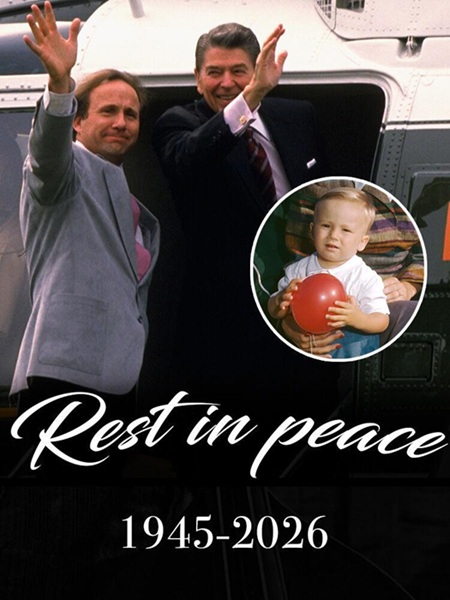
Michael Reagan’s life was shaped by a unique set of circumstances, marked by contrasts, challenges, and moments of profound personal insight.
Born in 1945, he was adopted at birth by Ronald Reagan and his first wife, Jane Wyman, a union that placed him immediately in the orbit of one of America’s most prominent political families.
Yet from the earliest days, Michael’s relationship with the Reagan name was complex. Adoption brought love and opportunity, but it also carried a subtle weight—a sense that belonging to a family as public and influential as the Reagans had to be continually earned rather than naturally assumed.
Learning of his adoption from his sister, rather than directly from his parents, left an enduring impression on young Michael. He recalled feelings of uncertainty and distance that were compounded by the public demands placed on his father as Ronald Reagan’s career in Hollywood and later in politics accelerated.
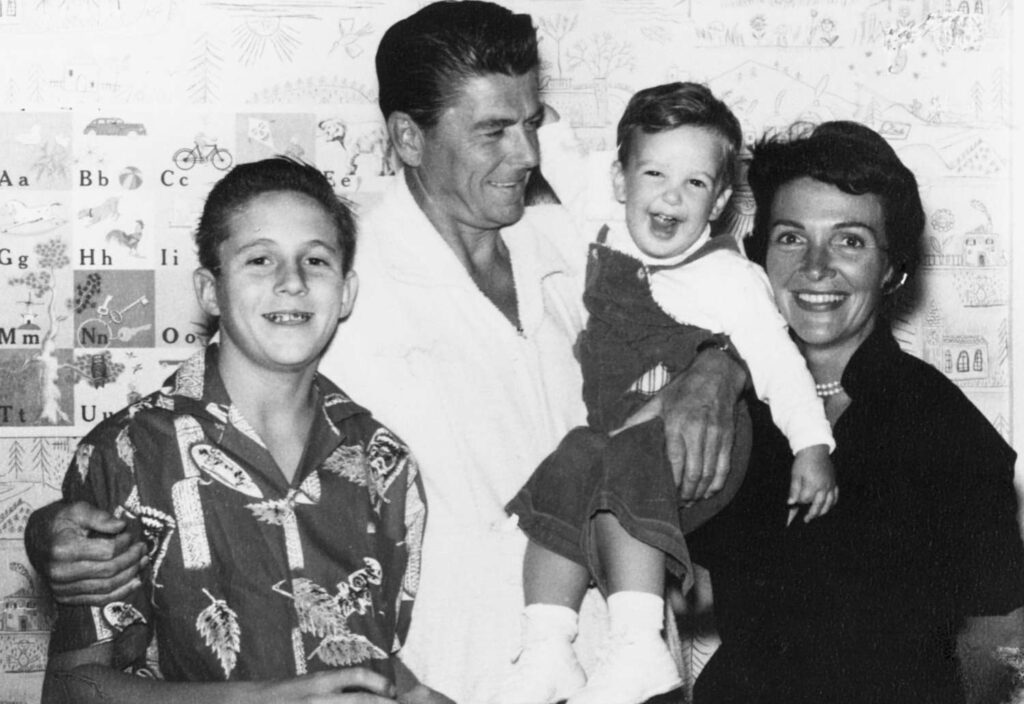
While other children of prominent figures might have grown up basking in the glow of fame, Michael often felt peripheral, aware that public duties and historical significance frequently overshadowed the quieter needs of family life.
Missed birthdays, fleeting moments at home, and the subtle absence of a fully present parent became part of the fabric of his childhood, creating a private world in which history and legacy sometimes seemed more real than intimacy or affection.
Despite these challenges, Michael developed a nuanced approach to his family identity. Unlike those who might reject or blindly idealize powerful parents, he chose a path of both acknowledgment and honesty.
He openly celebrated his father’s accomplishments, from his Hollywood career to the governorship of California and eventually the presidency of the United States, yet he did not shy away from acknowledging the emotional distance and disappointment he experienced along the way.
In his memoirs and interviews, Michael described a relationship with Ronald Reagan that blended love, admiration, and grief. He recognized his father’s achievements while also acknowledging the personal costs and complexities inherent in being the child of a national figure.
One of the most defining aspects of Michael’s personal journey was his courage in confronting difficult truths about his early life. He publicly revealed that he had experienced sexual abuse as a child, a disclosure that was both rare and brave, particularly for male survivors and especially within the conservative circles that often surrounded his family.
By speaking openly, Michael challenged long-standing taboos and assumptions about masculinity, power, and vulnerability.
He did not allow his identity to be entirely defined by victimhood, but rather chose to frame his experience as a component of survival and resilience, demonstrating that acknowledging trauma could coexist with public advocacy and professional achievement.
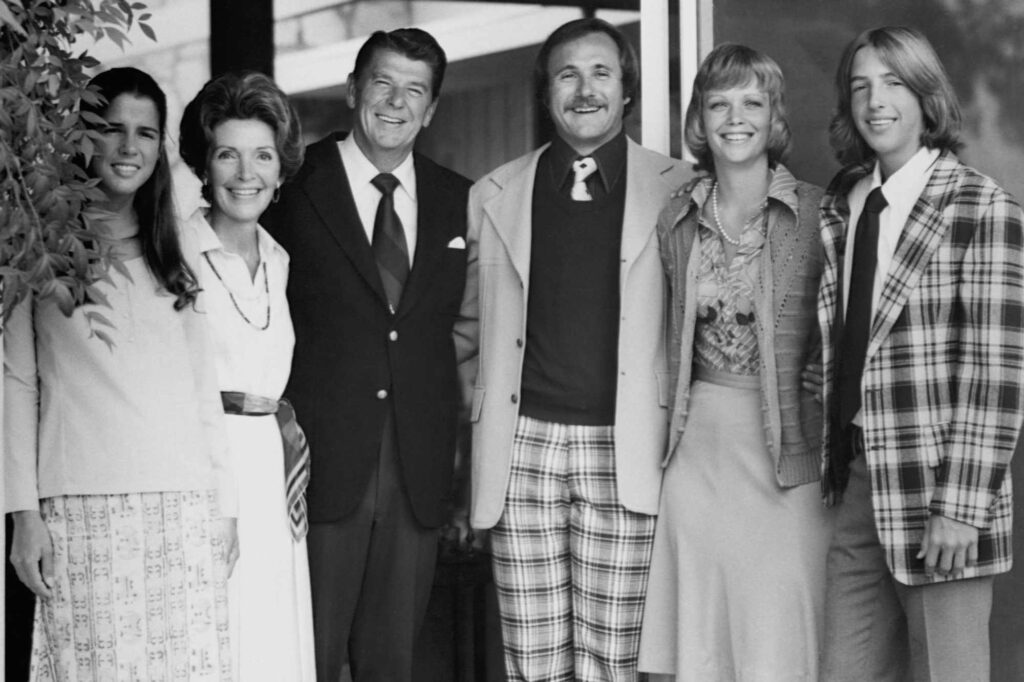
Faith and spirituality played a central role in Michael’s approach to healing and personal growth. He often described himself as “twice adopted”—first in the literal sense, through the legal adoption process, and second in a spiritual or emotional sense, having adopted principles of faith, forgiveness, and resilience into his life as guiding forces.
For Michael, faith was not about erasing the pain of the past, but rather about reframing experiences of hardship and loss in a way that allowed him to move forward without bitterness. His approach to forgiveness was nuanced: he acknowledged the harm done to him while refusing to let it harden his heart, understanding that personal peace required both honesty and compassion.
In addition to navigating the complexities of family life and personal trauma, Michael Reagan built a public career that blended political commentary with personal integrity. As a conservative commentator and radio host, he developed a voice that was informed by experience, empathy, and vulnerability.
He defended his father’s presidency, highlighting the successes of the Reagan administration in economic policy, foreign relations, and domestic governance.
Yet he resisted the temptation to indulge in uncritical hero worship, consistently reminding his audience that even the most celebrated public figures carry private challenges and imperfections.
By combining reverence with realism, Michael brought a distinct perspective to political discourse, one that humanized public figures while emphasizing accountability and the cost of public life.
His experiences in childhood, the shadow of fame, and his personal trials created a framework through which he approached relationships and public service.
Michael’s reflections often centered on the idea that loyalty does not require self-erasure and that admiration does not necessitate ignoring painful realities.
This perspective informed both his commentary and his interactions with the broader community, as he became known for a voice that balanced conservative principles with an understanding of human fragility and resilience.
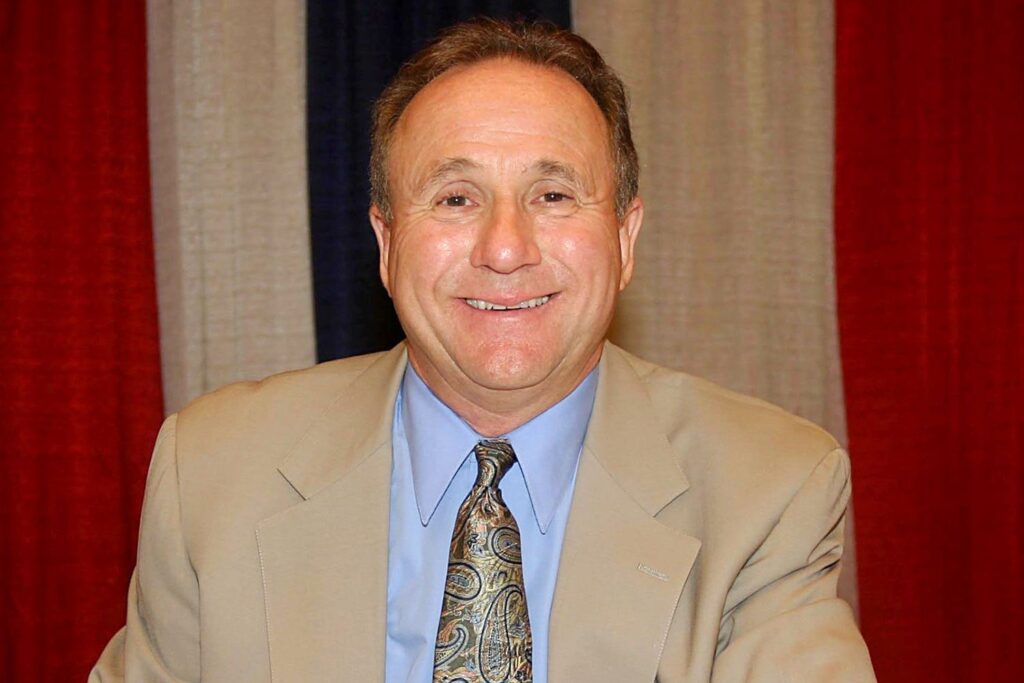
Michael’s life also illustrates the broader cultural challenges faced by children of prominent figures. He navigated a world in which public perception often overshadowed private truth, where every action and statement could be scrutinized for alignment with the family legacy.
By confronting these pressures openly, he modeled a form of courage that extended beyond politics or media presence—it was the courage to maintain authenticity, to speak truthfully about personal experiences, and to engage with the world on his own terms.
In recounting his life, Michael also highlighted the intricate intersections of identity, family, and public expectation. Being the adopted son of Ronald Reagan meant that he inherited both a storied name and the expectations that accompanied it, yet he managed to carve out a personal identity defined by introspection, honesty, and a commitment to telling his own story.
Even in moments of personal struggle, including his battles with grief, public scrutiny, and the echoes of early trauma, he maintained a focus on authenticity and principled living, demonstrating that an individual life can hold meaning independent of fame or family legacy.
Michael Reagan’s adult life was defined by the pursuit of authenticity and the careful balancing of public expectation with personal integrity. As he entered adulthood, he chose a career in media and political commentary, becoming a recognizable voice on conservative talk radio.
His platform allowed him to discuss national policy, culture, and political philosophy while also sharing personal insights drawn from his experiences growing up in the shadow of one of America’s most iconic presidencies.
Unlike commentators who rely solely on partisan rhetoric, Michael’s approach was shaped by lived experience, vulnerability, and a willingness to confront difficult truths, which lent a unique credibility to his commentary.
As a radio host, Michael cultivated a loyal audience that appreciated his blend of policy analysis and personal storytelling. He discussed economic policy, social issues, and national security, often framing his arguments through the lens of family values and personal responsibility.
Yet he also interwove anecdotes from his own life, reflecting on the lessons learned from adoption, trauma, and his relationship with Ronald Reagan. These stories were not merely personal confessions—they served as a means of humanizing political discourse and demonstrating the complex interplay between private experience and public life.
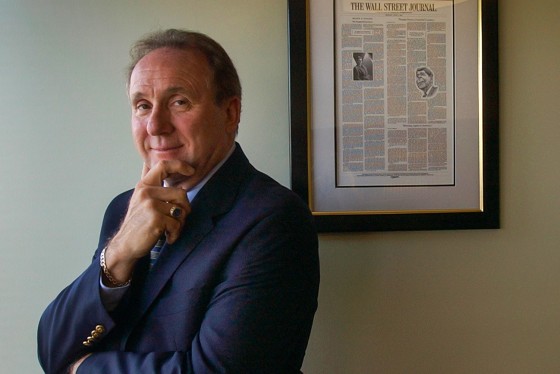
One of Michael’s most significant contributions was his ability to speak about mental health, trauma, and resilience in a context often dominated by rigid political narratives.
By revealing his own experiences with childhood sexual abuse, he broke taboos within conservative spaces and inspired other survivors to share their stories.
His public acknowledgment of vulnerability challenged the perception that strength required silence or stoicism, illustrating instead that resilience can coexist with honesty and emotional depth.
Michael’s commentary also addressed the realities of growing up in a high-profile family. He spoke candidly about the pressures of being Ronald Reagan’s son, navigating public attention, and managing the expectations of a society fascinated with fame and politics.
These reflections highlighted the challenges faced by children of influential figures, emphasizing that public legacy does not erase personal struggles and that love and admiration can coexist with feelings of neglect, misunderstanding, or disappointment.
Beyond radio and commentary, Michael engaged in charitable work and public speaking, often focusing on youth mentorship, education, and advocacy for survivors of abuse. His commitment to community service reflected a deeply held belief that influence carries responsibility—that those who have a platform or privilege also bear a duty to act ethically and support others.
Through lectures, interviews, and personal appearances, Michael sought to inspire individuals to confront their own challenges, seek help when necessary, and maintain integrity even in difficult circumstances.
His life also complicated and humanized the Reagan legacy. While Ronald Reagan is remembered for his political achievements, economic policies, and cultural impact, Michael’s openness about personal struggles provided a fuller picture of the family behind the presidency.
He demonstrated that loyalty does not require erasing one’s own experiences or perspectives, and that reverence for a parent’s accomplishments can coexist with acknowledgment of emotional complexities.
By sharing his story, Michael contributed to a more nuanced understanding of the human dimensions of power, fame, and family.
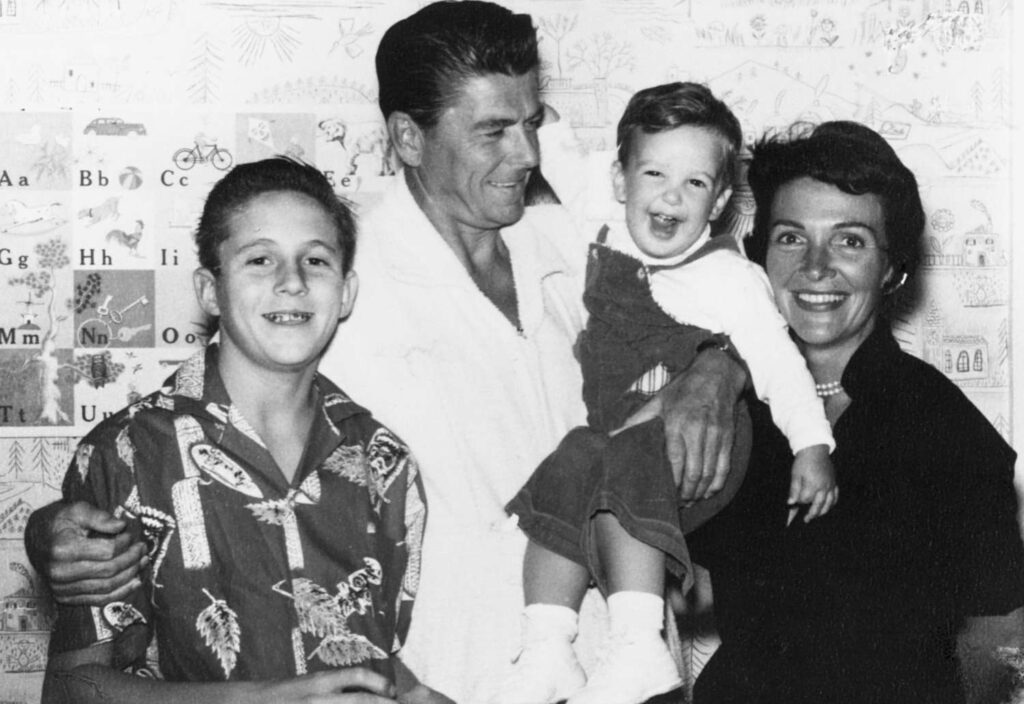
Michael’s reflections on forgiveness and personal growth were central to his worldview. He frequently spoke about the importance of reconciling with the past without becoming embittered, emphasizing that forgiving does not mean condoning harm but rather freeing oneself from the lingering weight of resentment.
This perspective informed both his personal relationships and professional conduct, as he approached conflicts and challenges with a focus on resolution, understanding, and moral clarity.
In his later years, Michael reflected on the evolution of the Reagan family and his own role within it. He noted that being part of a public legacy carried both privilege and responsibility, but he insisted that personal identity and moral agency could not be fully subsumed by fame.
He consistently argued that individuals must claim their own narratives, even while honoring familial and historical connections. This philosophy resonated with audiences who admired his ability to navigate the delicate balance between public expectation and personal authenticity.
Michael’s death at 80 prompted a widespread acknowledgment of his contributions both as a commentator and as an individual who lived courageously in the shadow of immense public attention.
Media outlets highlighted not only his professional accomplishments but also his role in expanding conversations about trauma, identity, and resilience.
Tributes emphasized his courage in speaking openly about painful experiences, his loyalty to family tempered by honesty, and his commitment to modeling integrity and empathy.
Family members and friends remembered him as a man who embodied both strength and vulnerability, someone who refused to simplify life into easy narratives.
His approach demonstrated that it is possible to honor one’s parents while maintaining independent thought, to forgive without erasing the past, and to engage in public discourse without sacrificing personal truth. These qualities cemented his reputation as a figure of moral clarity and intellectual rigor within conservative circles and beyond.
Michael’s story also serves as a reflection on the broader cultural and societal dynamics of adoption, fame, and legacy. His experiences highlight the ways in which personal identity is shaped by family, public perception, and personal choices.
By embracing both the privileges and challenges of his upbringing, he offered insights into the nature of human resilience, the importance of confronting difficult truths, and the possibility of building a life of purpose even under extraordinary scrutiny.
Ultimately, Michael Reagan’s life illustrates that the impact of one individual extends beyond public achievement or inherited fame.
His legacy lies in demonstrating that courage, honesty, and compassion are essential components of leadership—whether in personal life, professional career, or public engagement.
He proved that even in the presence of historical significance and public expectation, a person can claim autonomy, articulate personal truth, and contribute meaningfully to broader societal conversations.
Michael Reagan is remembered not merely as the son of a president, but as a man who shaped his own narrative, spoke openly about his struggles and triumphs, and provided a model for navigating complex family and social dynamics with grace, resilience, and moral clarity.
His life affirms that identity is both inherited and created, that loyalty and honesty can coexist, and that even in the shadow of power, an individual can shine with their own light.
