
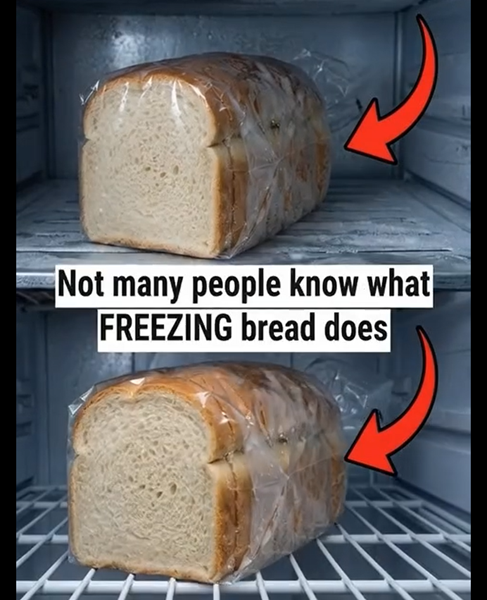
For families with growing children or a busy lifestyle, bread disappears faster than most other grocery items. Sandwich loaves vanish by mid-morning, hamburger buns disappear after lunch, and bagels or muffins are gone before dinner.
Constantly buying fresh bread can be expensive, inconvenient, and often results in more waste if leftovers become stale.
Freezing bread is a simple, cost-effective solution that allows households to buy in bulk, save money, and reduce waste while ensuring bread is always ready for breakfasts, packed lunches, or impromptu meals.
But improper freezing can lead to undesirable outcomes: slices sticking together, dryness, toughness, or frost accumulation.
Many people have felt the frustration of retrieving bread from the freezer only to discover it has lost its texture, flavor, or freshness. Understanding how to freeze bread properly ensures that it remains soft, flavorful, and easy to portion according to your needs.
Step 1: Start With Fresh Bread
The foundation of successful freezing begins with freshness. Bread should be frozen as soon as possible after baking or purchase, before it starts to stale. Fresh bread contains moisture, which will help it maintain softness and flavor after freezing.
Pre-Sliced Loaves: If your loaf is pre-sliced, you already have a major advantage, as individual slices will thaw more quickly and evenly.
Unsliced Loaves: If the bread is unsliced, carefully slice it using a serrated bread knife. Uneven slices can thaw at different rates, causing some pieces to become chewy while others remain partially frozen.
For dense artisan breads like sourdough, rye, or multigrain, slicing ensures easier portioning without needing to thaw the entire loaf.
When slicing, aim for uniform thickness (typically about ¾-inch to 1-inch per slice), which promotes even freezing and ensures consistent texture when thawed.
For soft sandwich breads, evenly cut slices also help prevent the loaf from compressing unevenly in the freezer, avoiding dents, squishing, or uneven freezing.
Step 2: Pre-Freeze Slices to Prevent Sticking
One of the most common freezing mistakes is putting slices directly into a bag without pre-freezing. This often results in slices sticking together, making it difficult to remove just one or two slices when needed.
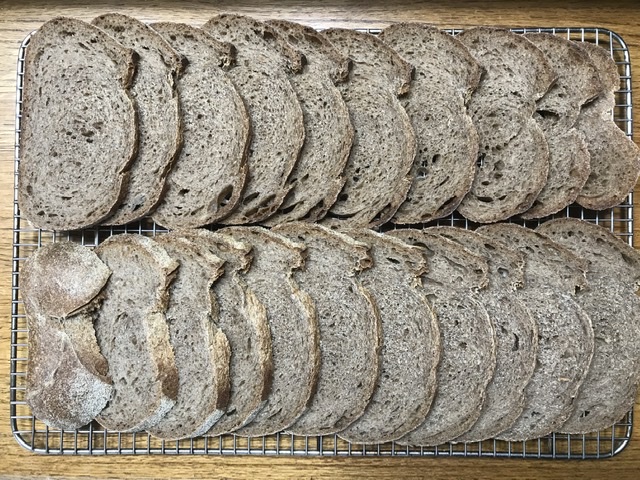
Method: Line a baking sheet with parchment paper and arrange slices in a single layer, ensuring they do not touch or overlap. This technique works well for soft breads like white sandwich loaves, brioche, or other enriched breads.
Freezing Time: Place the baking sheet in the freezer uncovered for 1–2 hours, or until slices are firm to the touch. This step stabilizes the slices, making them easier to transfer into storage bags.
Bagels, Muffins, Rolls: The same principle applies—pre-freeze each item on a baking sheet, leaving slight space between pieces. Pre-freezing maintains shape, prevents sticking, and allows for easier portioning later.
This step is particularly important for delicate breads or items with high moisture content, such as brioche or banana bread, which can otherwise stick together or lose their texture during freezing.
Step 3: Choose the Right Storage Method
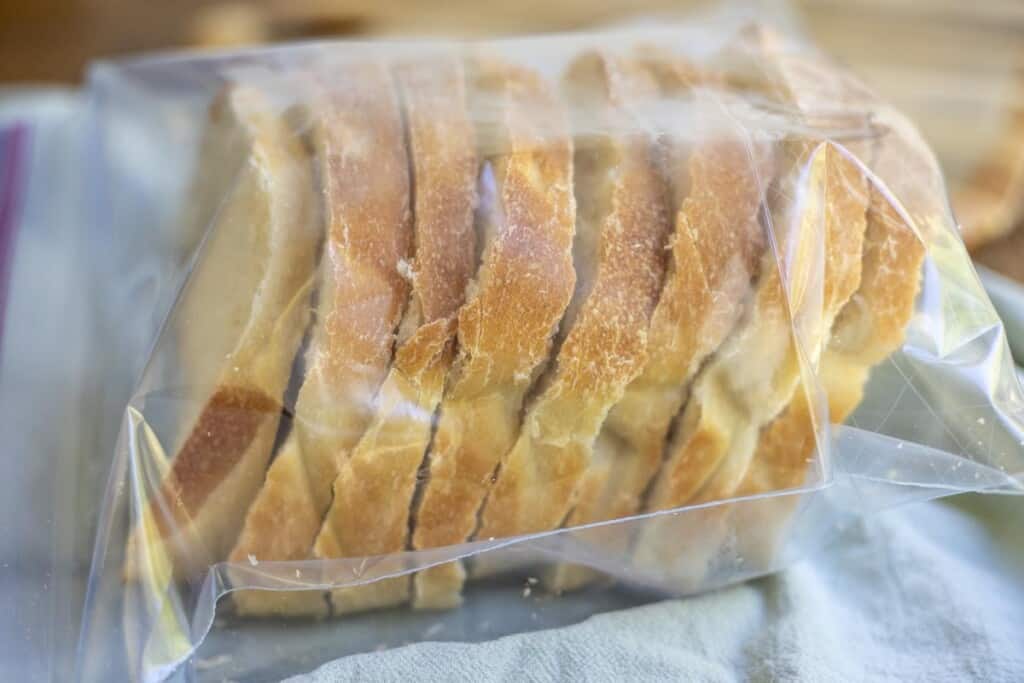
Once the slices are pre-frozen and firm, the next step is proper storage. The goal is to minimize air exposure, which can cause freezer burn and lead to dry, tough bread.
Resealable Freezer Bags: Transfer slices into a resealable bag and press out as much air as possible. Flat storage is recommended to maintain the loaf’s shape and prevent slices from being squished.
Double Wrapping: For added protection, wrap the bag in foil or use two layers of freezer bags. This helps prevent moisture loss and shields the bread from absorbing odors from other foods.
Vacuum-Sealing: If available, vacuum-sealed bags offer the best protection against freezer burn, maintaining softness and flavor for months.
Properly packed bread can be stacked in the freezer, allowing efficient use of space while keeping the slices organized and easy to access. For hamburger buns or bagels, slightly flattening the bag makes it easier to remove individual items without disturbing the rest.
Step 4: Understanding Bread Types and How They Freeze
Not all bread freezes the same way. Knowing the type of bread you’re storing helps optimize results:
Soft Sandwich Loaves: White, whole wheat, or enriched loaves freeze well if sliced and wrapped properly. They retain moisture and thaw quickly. Whole loaves can be frozen, but slices thaw more evenly.
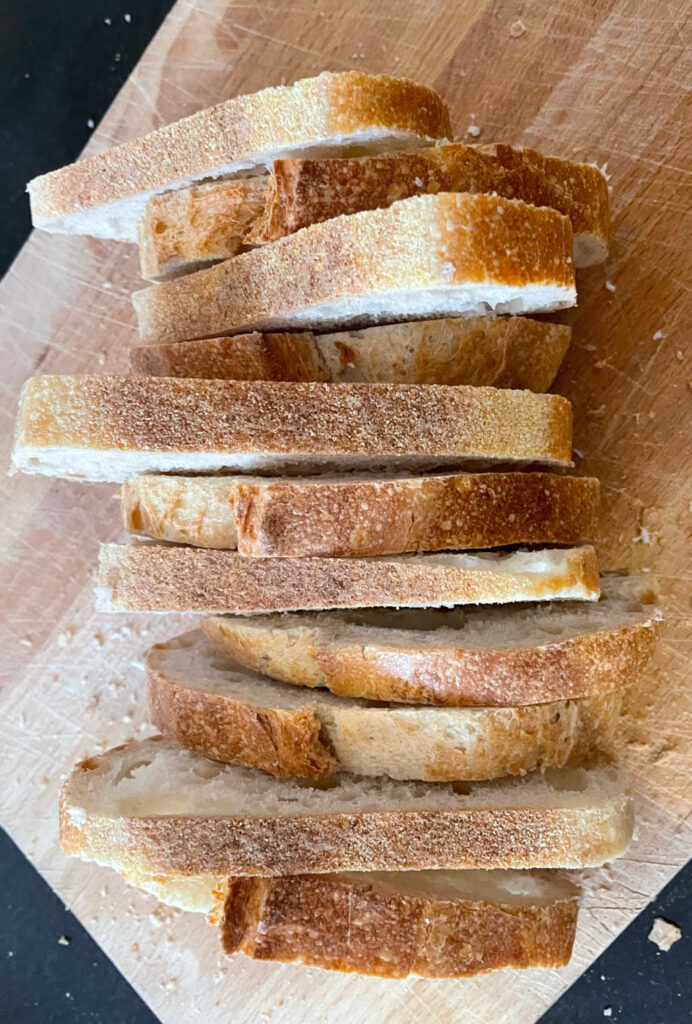
Crusty Artisan Breads: Sourdough, baguettes, and ciabatta may lose crust crispness but maintain flavor if wrapped tightly. Toasting or oven reheating after thawing restores texture.
Bagels and Rolls: Dense breads benefit from pre-slicing or halving. Double-bagging prevents frost formation.
Muffins and Quick Breads: Banana bread, pumpkin muffins, and similar items freeze best when individually wrapped and stored in freezer bags. Pre-slicing is optional.
Whole-Grain and Seeded Breads: Heavier breads freeze more slowly; wrap in two layers to prevent moisture migration and freezer burn.
Step 5: Long-Term Storage Tips
Bread can be stored for up to 3 months while retaining quality. Beyond that, texture and flavor gradually decline, though it usually remains safe to eat. For best results:
Use vacuum-sealed bags for delicate or artisan loaves.
If vacuum sealing isn’t available, tightly wrap slices in plastic wrap, then store in a freezer bag, pressing out excess air. Optionally, wrap in foil for additional protection.
Store bags flat to prevent squishing and maintain even freezing.
Label bags with type and date to use older bread first.

Step 6: Thawing and Serving
Proper thawing ensures the bread tastes fresh and maintains texture:
Room Temperature: Pre-sliced bread can thaw in 10–15 minutes.
Toaster or Oven: Toast slices directly from frozen. For crusty loaves, reheat in a 350°F oven for 5–10 minutes, wrapped in foil.
Microwave: Only for soft breads or muffins. Wrap in a slightly damp paper towel and heat for 10–20 seconds. Avoid for crusty breads to prevent rubbery texture.
Step 7: Avoiding Common Freezing Mistakes
Even experienced bakers can make errors that affect the quality of frozen bread. Avoiding these common mistakes ensures the bread remains soft, flavorful, and easy to use:
Freezing Too Late
Bread left out for too long begins to stale, dry, or lose flavor. Freezing cannot reverse staleness. Always freeze fresh bread as soon as possible to lock in moisture and taste.
- Improper SlicingUneven slices thaw at different rates, which can result in chewy or partially frozen pieces. Use a serrated bread knife to slice bread uniformly, and avoid slicing too thin, which can dry out faster.
- Trapped Air
Air in freezer bags causes freezer burn, leaving bread dry and stiff. Press out all air before sealing bags. For extra protection, use double bags or wrap in foil. - Stacking Without Protection
Directly stacking slices or loaves can crush them and cause sticking. Always pre-freeze slices individually on a baking sheet before storing. - Not Labeling
Always write the type of bread and the date of freezing. This prevents confusion and ensures older bread is used first, maintaining freshness.
Step 8: Extra Tips for Convenience
Freezing bread can be optimized for busy households by applying a few practical strategies:
Portion Control for School Lunches
Keep sandwich-sized portions in small freezer bags for easy grab-and-go meals. This prevents unnecessary thawing of the entire loaf.
Freeze in Different Shapes
Cut hamburger buns, hot dog buns, or bagels in halves or quarters before freezing. This allows you to thaw exactly what you need without wasting bread.
Rotate Stock
Practice a “first in, first out” system. Always use older bread before newer batches to maintain consistent freshness.
Use Bread Clips or Twist Ties
Ensure freezer bags are tightly sealed to reduce air exposure, which helps prevent frost and dryness.
Quick Snack Prep
Frozen slices can be toasted straight from the freezer for sandwiches, French toast, or breakfast snacks, saving time during busy mornings.

Step 9: The Science Behind Freezing Bread
Understanding why these methods work helps explain why bread stays fresh when frozen correctly:
Moisture Retention
Bread contains water molecules that keep it soft. Slow freezing or air exposure causes moisture migration, forming ice crystals that dry out the bread. Pre-freezing slices individually preserves moisture evenly.
Air and Frost Control
Freezer frost occurs due to sublimation — water turning directly into ice crystals in low-humidity conditions. Minimizing air exposure prevents frost from forming on slices.
Texture Recovery
Proper thawing allows water molecules to redistribute, restoring softness. Pre-sliced bread thaws more evenly, while crusty loaves benefit from brief oven reheating to restore crispness.
Effect of Bread Density
Light breads like sandwich loaves freeze and thaw faster than dense, whole-grain, or seeded breads, which may require additional wrapping to maintain moisture and prevent frost.
Step 10: Long-Term Freezing for Specialty Breads
Some breads require extra care for extended storage:
Artisan and Crusty Breads
Wrap tightly in foil or plastic before freezing. When ready to eat, reheat in the oven at 350°F for 5–10 minutes to restore crust crunch. Avoid microwaving as it can make crusts rubbery.
Enriched and Sweet Breads
Brioche, challah, or cinnamon rolls contain sugars and fats that can crystallize if frozen improperly. Wrap slices individually and pre-freeze to maintain texture and flavor.
Whole-Grain and Seeded Breads
Wrap in two layers to protect seeds from freezing unevenly. Seeds can absorb moisture, causing frost or odd textures. Pre-slicing allows for portion control and quicker thawing.
Step 11: Thawing Methods for Optimal Taste
The right thawing method makes frozen bread taste nearly as fresh as when it was first baked:
Room Temperature
Pre-sliced bread can thaw in 10–15 minutes. This is perfect for sandwiches or toast.
Toaster or Oven
Place frozen slices directly in a toaster, toaster oven, or conventional oven. Crusty loaves can be wrapped in foil and baked at 350°F for 5–10 minutes to restore softness inside and crispness outside.
Microwave (Soft Breads Only)
Wrap soft sandwich bread or muffins in a slightly damp paper towel and microwave for 10–20 seconds. Avoid microwaving crusty breads, as they become rubbery.
Step 12: Benefits of Freezing Bread
Proper freezing offers practical, long-term benefits:
- Saves Money
Buying bread in bulk during sales and freezing reduces frequent trips to the store and avoids paying premium prices for smaller portions. - Reduces Waste
Bread that would otherwise go stale can be stored for months, lowering household food waste. - Time-Saving
Pre-sliced and frozen bread makes breakfast, lunch, and snack prep faster, especially for busy families. - Flexibility
Enjoy a variety of breads year-round, including seasonal or specialty breads, without worrying about spoilage. - Portion Control
Freezing individual slices, halves, or quarters makes it easy to use exactly what’s needed, reducing waste and maintaining freshness.
Step 13: Advanced Tips for Bread Enthusiasts
Label and Date Everything: Keep track of the type of bread and freezing date. Use older batches first.
Use Rigid Freezer Containers: For delicate loaves, consider rigid plastic containers to prevent squishing.
Avoid Refreezing: Once bread has thawed, avoid refreezing, as this damages texture and flavor.
Specialty Items: Garlic bread, stuffed buns, and flatbreads can also be frozen with proper wrapping. Pre-slice or separate layers with parchment paper to maintain structure.
Step 14: Conclusion
Freezing bread is more than just a convenience—it’s a smart, practical, and sustainable kitchen strategy. By following these steps—starting fresh, slicing evenly, pre-freezing, wrapping tightly, storing flat, and thawing correctly—you can enjoy bread that’s soft, flavorful, and ready whenever you need it.
Avoiding common mistakes and understanding the science behind freezing ensures your bread retains its texture, moisture, and taste, whether it’s a soft sandwich loaf, crusty artisan bread, muffins, bagels, or rolls.
Proper freezing saves money, reduces waste, and simplifies meal preparation, making it an essential skill for any busy household.
With the right techniques, bread can remain nearly as fresh as the day it was baked, giving families a reliable, tasty, and versatile staple for every meal.
