
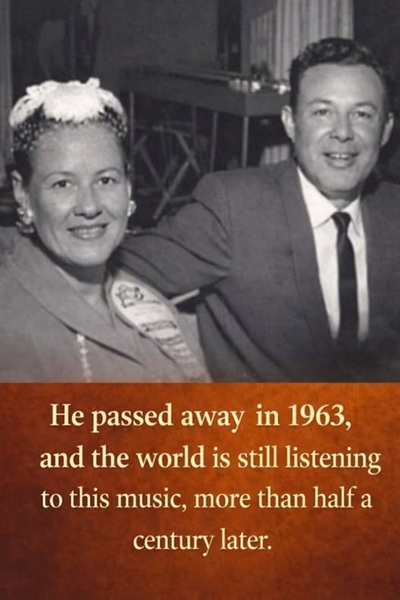
In 1960, at a pivotal moment in American music history, a song was released that quietly reshaped the direction of country music while also finding a strong place in the pop charts.
At a time when musical tastes were evolving and audiences were increasingly drawn to smoother, more polished sounds.
This recording stood out for its emotional restraint, elegant production, and deeply human storytelling. Rather than relying on dramatic instrumentation or exaggerated vocals, the song drew listeners in through simplicity, sincerity, and intimacy.
That song was “He’ll Have to Go,” performed by Jim Reeves, and it would become one of the most influential recordings of the era. Its success helped define what later became known as the Nashville Sound, a style that broadened country music’s appeal without abandoning its narrative roots.
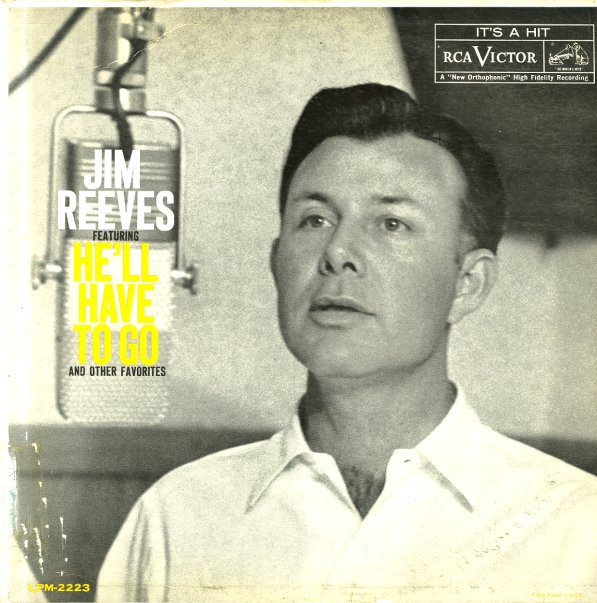
More than six decades later, the song remains an enduring classic, respected for both its artistic impact and emotional authenticity. The Musical Landscape of the Late 1950s and Early 1960s To understand why “He’ll Have to Go” was so significant, it is important to consider the musical environment into which it was released.
By the late 1950s, country music faced increasing competition from rock and roll and emerging pop styles. Traditional honky-tonk sounds, characterized by sharp fiddles and twangy steel guitars, were losing ground on mainstream radio.
Record labels in Nashville began searching for ways to expand the genre’s reach. Producers experimented with smoother arrangements, background vocals, string sections, and crooning vocal styles that could appeal to a broader audience.
This shift was not about abandoning country music’s identity, but about refining its presentation to suit changing listener expectations. It was within this climate that Jim Reeves’ recording emerged—perfectly aligned with the industry’s evolving direction while still rooted in classic country storytelling.
The Songwriting Inspiration: A Moment of Quiet Vulnerability The emotional core of “He’ll Have to Go” can be traced back to a real-life moment experienced by its songwriters, Joe and Audrey Allison. According to widely accepted accounts, the inspiration came when Joe Allison overheard a man speaking softly into a telephone in a bar.
The man appeared to be trying to reconnect with someone important, his voice filled with urgency and restraint. One particular phrase stood out: “Tell him I’ll have to go.” The line captured the emotional tension of longing, uncertainty, and unspoken feelings.
That brief exchange stayed with the Allisons, inspiring them to build a song around the idea of intimate communication across distance—a theme that resonated deeply in an era before instant digital connection.
The lyrics they crafted were intentionally simple, focusing on emotional subtext rather than explicit narrative detail. This allowed listeners to project their own experiences onto the song, contributing significantly to its universal appeal.
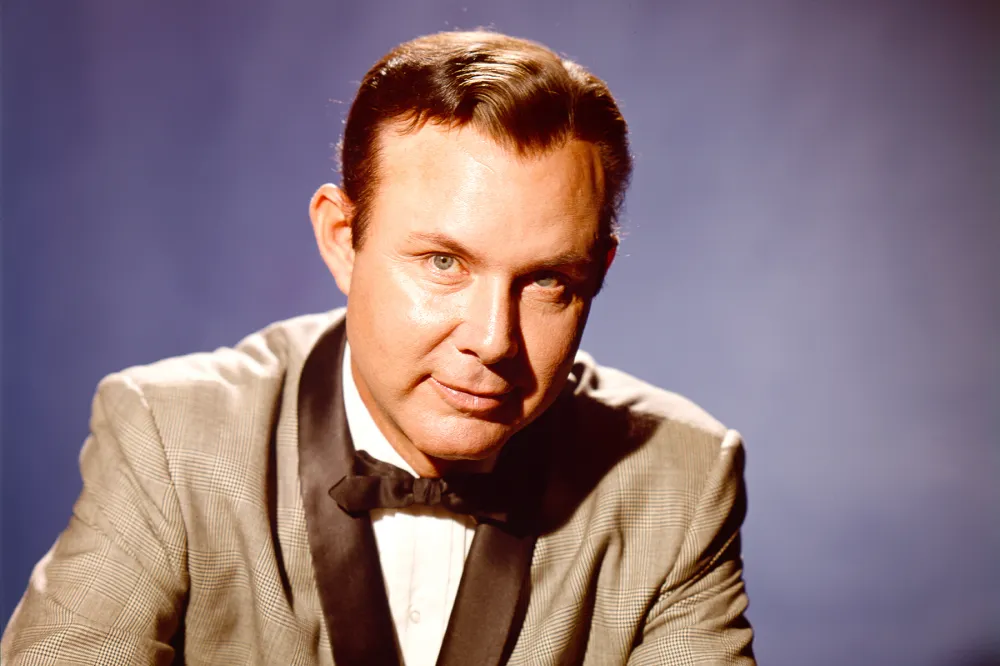
A Lyrics-First Approach to Emotional Storytelling One of the defining strengths of “He’ll Have to Go” lies in its lyrical structure. Rather than telling a complete story from beginning to end, the song presents a single emotional moment: a man asking a woman on the other end of a phone line to speak closer, to listen carefully, and to choose him over another relationship.
This minimalist approach creates a sense of intimacy rarely heard in popular music at the time. The lyrics unfold like a private conversation, almost whispered, making listeners feel as though they are overhearing something deeply personal.
The song avoids dramatic declarations or elaborate metaphors. Instead, it relies on emotional honesty, patience, and vulnerability—qualities that would later become hallmarks of the Nashville Sound.
Chet Atkins and the Birth of the Nashville Sound Producer Chet Atkins played a crucial role in shaping the final recording. Already known for his innovative production techniques, Atkins understood that the power of the song lay in its emotional restraint. Rather than overwhelming the vocals with instrumentation, he chose a soft, understated arrangement that allowed Jim Reeves’ voice to remain front and center.
The production featured gentle guitar work, subtle rhythm, and a smooth vocal backing that enhanced the song without distracting from its message. This balance of simplicity and polish became a defining characteristic of the Nashville Sound, influencing countless recordings in the years that followed.
Atkins’ approach helped demonstrate that country music could sound refined and modern while still preserving its emotional depth and narrative strength. Jim Reeves: The Perfect Voice for the Song Jim Reeves was uniquely suited to deliver “He’ll Have to Go.”
Known for his warm baritone and controlled vocal style, Reeves represented a departure from the louder, more twang-heavy singing common in earlier country recordings. His voice conveyed calm confidence, tenderness, and sincerity—qualities essential to the song’s emotional impact.
Rather than dramatizing the lyrics, Reeves delivered them with quiet assurance, as if speaking directly to one person rather than performing for an audience. This approach created a powerful sense of connection, making listeners feel personally addressed.
The performance became one of the defining moments of Reeves’ career, cementing his reputation as one of country music’s most distinctive and influential vocalists. Chart Success and Cross-Genre Appeal Upon its release in 1960, “He’ll Have to Go” quickly exceeded expectations.
The song reached number one on the Billboard Hot Country Singles chart and also crossed over to the Billboard Hot 100, where it achieved significant success. This crossover appeal was particularly noteworthy at a time when country and pop audiences were still largely separated.
The song’s popularity demonstrated that country music, when presented with polish and emotional clarity, could resonate with a much wider audience. Radio stations across genres embraced the track, helping introduce the Nashville Sound to listeners who may not have previously engaged with country music.
This success marked a turning point for the industry, encouraging further experimentation with smooth production and crossover-friendly arrangements. Establishing a Lasting Standard As “He’ll Have to Go” gained popularity, it quickly became a reference point for artists and producers alike.
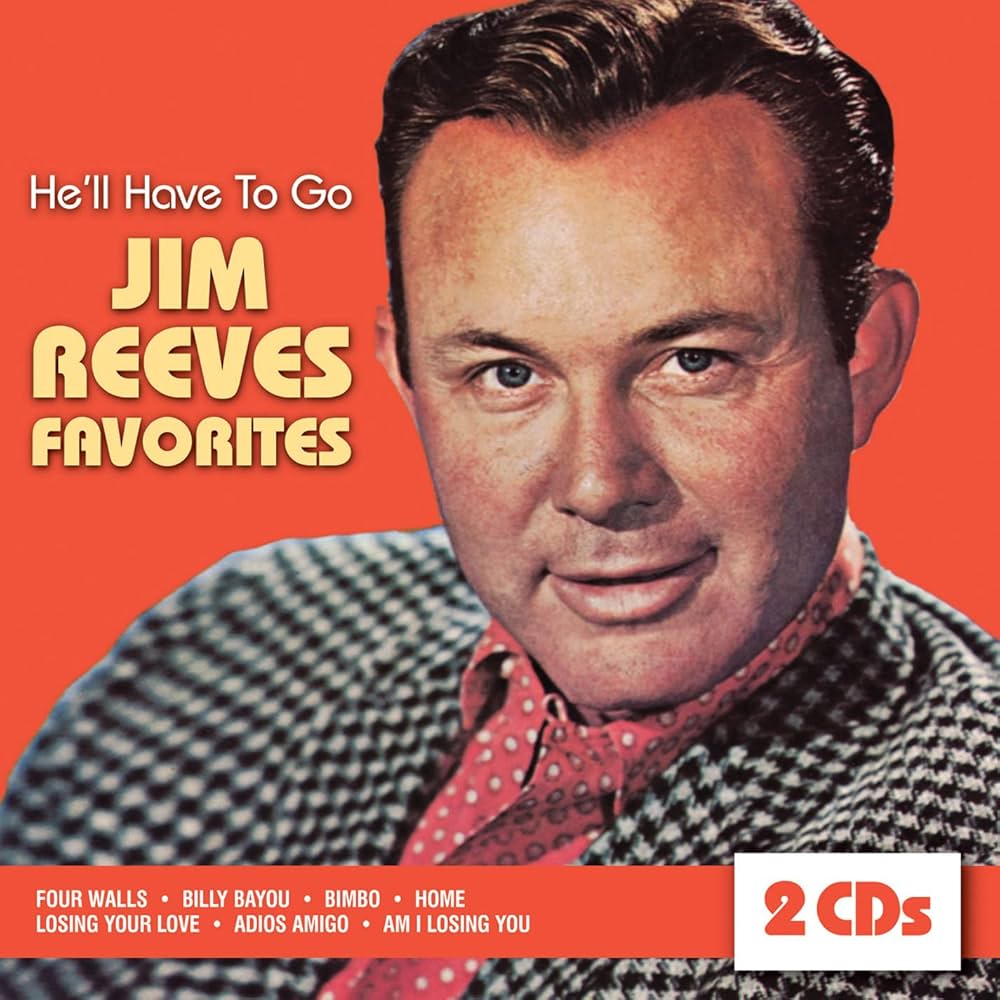
The song showed that restraint could be just as powerful as intensity, and that emotional honesty could transcend genre boundaries. Its success encouraged record labels to invest in similar productions, leading to a wave of recordings that blended traditional country themes with refined musical presentation. In this sense, the song was not just a hit—it was a blueprint.
The Beginning of an Enduring Legacy By the early 1960s, “He’ll Have to Go” had already secured its place as a defining recording of its era. Yet its influence would extend far beyond its initial release. The song would go on to be recorded by numerous artists across multiple genres, though Jim Reeves’ original version remains the most widely recognized and celebrated.
At the same time, Reeves’ career continued to flourish, further solidifying his role as a leading figure in country music’s evolution. While “He’ll Have to Go” achieved immediate commercial success, its true significance became clearer over time.
The song did more than top charts—it reshaped expectations for what country music could sound like, how it could be produced, and who it could reach. Decades after its release, it continues to stand as a benchmark for emotional clarity, musical restraint, and cross-genre appeal.
Jim Reeves’ Growing Influence and Artistic Identity By the early 1960s, Jim Reeves had firmly established himself as one of the most distinctive voices in American music. Unlike many of his contemporaries, Reeves embraced a smooth, almost conversational singing style that drew heavily from pop and traditional ballad traditions.
This approach allowed his recordings to reach listeners who might not have otherwise identified as country music fans. “He’ll Have to Go” became the defining song of his career, shaping how audiences and industry professionals perceived him.
Rather than being viewed solely as a country singer, Reeves was increasingly recognized as a crossover artist with international appeal. His calm delivery and emotional control stood in contrast to more aggressive vocal styles, offering an alternative model for male country performers.

This identity proved influential, opening doors for future artists who sought to balance emotional storytelling with refined musical presentation. International Reach and Global Recognition One of the lesser-discussed aspects of “He’ll Have to Go” is its international success.
The song resonated with audiences beyond the United States, particularly in Europe, South Africa, and parts of Asia. Jim Reeves became one of the first country artists to achieve sustained popularity overseas, helping introduce American country music to global audiences.
His recordings were widely played on international radio stations, and his smooth vocal style translated well across cultural boundaries. The universal themes of longing, love, and emotional vulnerability required no cultural explanation, making the song accessible regardless of language or background.
This global reach further reinforced the idea that country music, when presented with subtlety and care, could function as a truly international genre. Cover Versions and Artistic Reinterpretations Over the years, “He’ll Have to Go” has been recorded by numerous artists across multiple genres, including country, pop, and even soul.
Each version reflects the performer’s individual style, yet most remain faithful to the song’s understated emotional core. While many interpretations have been technically impressive, Jim Reeves’ original recording continues to be regarded as definitive. Its balance of simplicity and emotional depth has proven difficult to replicate.
Rather than overpowering the listener, the original invites quiet reflection, a quality that has preserved its relevance across generations. The song’s adaptability is a testament to its strong songwriting foundation and universal emotional appeal. The Tragic Loss of Jim Reeves In 1964, Jim Reeves’ life and career were tragically cut short when he died in a plane crash near Nashville, Tennessee.
His death sent shockwaves through the music industry and left fans mourning the loss of an artist who still had much to offer. Despite his untimely passing, Reeves’ music did not fade. On the contrary, his recordings continued to sell, receive radio airplay, and attract new listeners.
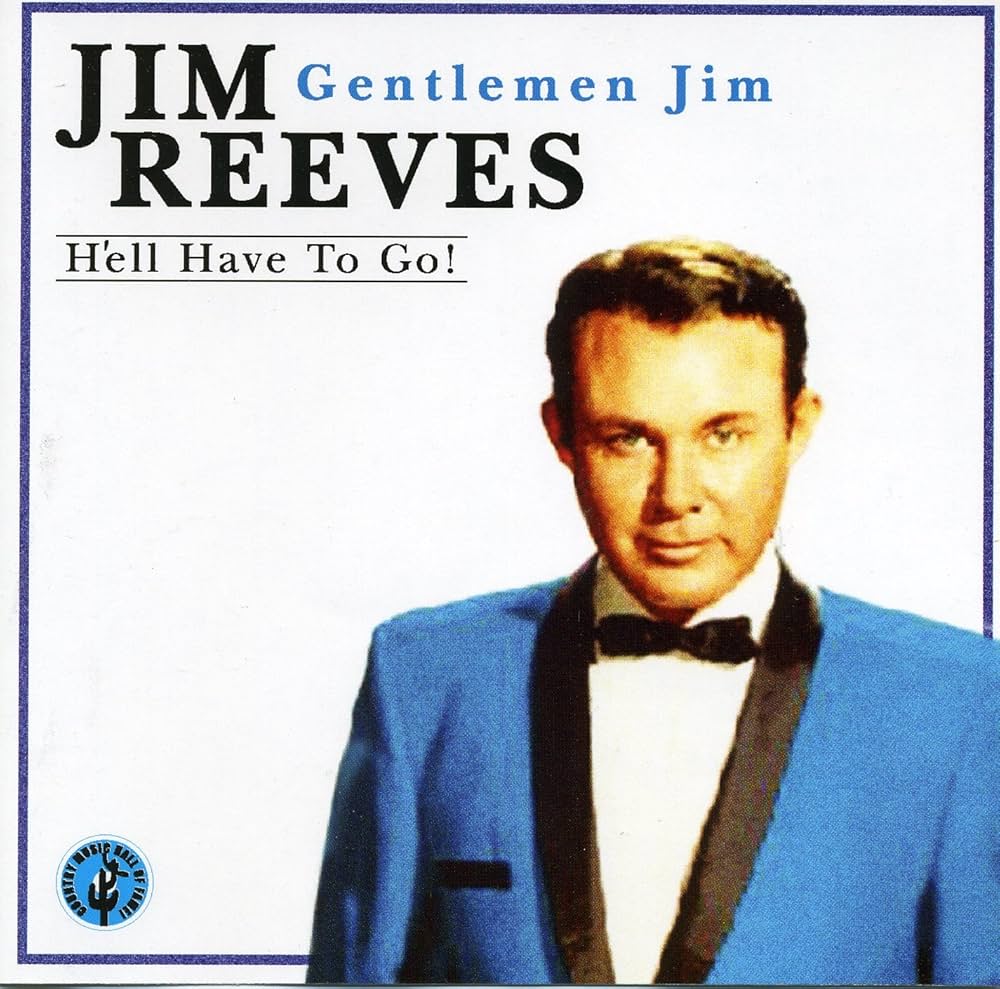
“He’ll Have to Go” remained one of the most frequently played tracks in his catalog, serving as a lasting reminder of his artistic voice. His death transformed the song into something even more poignant, reinforcing its themes of distance, longing, and emotional connection.
Continued Presence in Film, Radio, and Media In the decades following its release, “He’ll Have to Go” has appeared in films, television programs, and radio retrospectives, often used to evoke nostalgia, emotional reflection, or a sense of timeless romance. Its restrained tone makes it especially effective in storytelling contexts, where subtlety is more powerful than spectacle.
Classic country radio stations continue to feature the song regularly, while modern listeners frequently encounter it through curated playlists and digital platforms.
This sustained presence ensures that the song remains part of the cultural conversation, rather than a forgotten artifact of a past era. Its continued use across media highlights the song’s adaptability and emotional resonance. The Nashville Sound Revisited Looking back, “He’ll Have to Go” is now widely recognized as one of the clearest early examples of the Nashville Sound in practice.
The recording demonstrated how country music could evolve without losing its identity, balancing tradition with innovation. This approach influenced producers, record labels, and artists for years to come.
The emphasis on smooth vocals, polished arrangements, and emotional clarity became a defining feature of mainstream country music throughout the 1960s and beyond. The song’s success validated a creative direction that helped secure Nashville’s place as a dominant force in the music industry.
Why the Song Still Resonates Today More than sixty years after its release, “He’ll Have to Go” continues to resonate because it addresses emotions that are both universal and timeless. The experience of longing, uncertainty, and hope remains deeply relatable, regardless of technological or cultural change.
In an era of fast-paced media and constant noise, the song’s quiet confidence feels increasingly rare. Its patience and emotional honesty offer a reminder that powerful music does not need to shout to be heard. Modern audiences often find comfort in its simplicity, discovering that restraint can be as impactful as intensity.
A Song That Transcends Its Era Ultimately, “He’ll Have to Go” endures not because of nostalgia alone, but because of its craftsmanship. The combination of thoughtful songwriting, sensitive production, and Jim Reeves’ unforgettable vocal performance created a recording that transcends trends and time periods.
It remains a defining moment in country music history, a song that bridged genres, expanded audiences, and demonstrated the lasting power of emotional authenticity. Final Reflection “He’ll Have to Go” stands as a reminder of what music can achieve when sincerity, simplicity, and skill come together.
It represents a moment when country music quietly reinvented itself, guided by artists and producers who trusted emotion over excess. Jim Reeves’ voice may have been silenced too soon, but through this song, his legacy continues—steady, warm, and enduring.
