
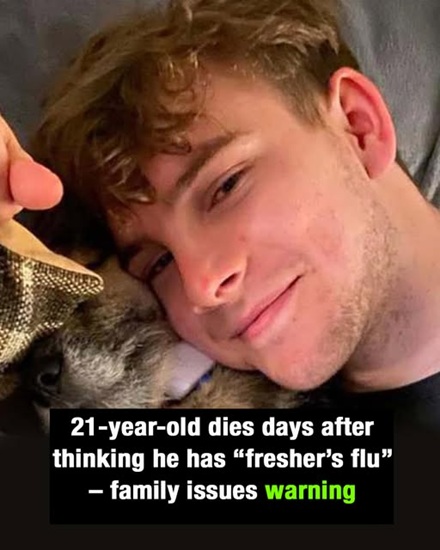
In September 2023, a 21-year-old student named Lucas Martin began feeling unwell while living in the United Kingdom, initially showing symptoms that appeared similar to a common seasonal illness or viral infection.
At first, both Lucas and his family believed his condition was not serious. His early symptoms resembled what many students experience during their first weeks at university, often referred to informally as “freshers’ flu.”
Lucas had recently completed his studies at the University of Liverpool, where he studied international business. He was described by those close to him as a motivated and ambitious young graduate.
During the early stages of his illness, Lucas reportedly experienced symptoms such as headaches, fever, and fatigue. These signs are commonly associated with viral infections, which contributed to the initial assumption that he was simply unwell.
As his condition progressed over several days, his symptoms did not improve. Instead, his health began to decline more rapidly, prompting growing concern among his family members.
According to family accounts shared later, the situation changed significantly within a short period of time. What initially appeared to be a mild illness soon became more serious and alarming.
By around five days after the onset of symptoms, Lucas’s condition had worsened considerably. His family observed noticeable changes in his behavior and physical state, which led them to seek urgent medical attention.
On September 10, his father reportedly noticed concerning neurological symptoms, including difficulty speaking clearly and signs of confusion. These developments prompted immediate action.
Lucas was taken to hospital, where medical professionals assessed his condition. He was later diagnosed with meningitis, a serious medical condition that can develop quickly and require emergency treatment.
Following his diagnosis, Lucas was placed in an induced coma in an attempt to stabilize his condition and allow intensive medical care. Despite these efforts, his condition remained critical.
Sadly, Lucas Martin passed away on September 12, 2023, just days after the onset of his initial symptoms. His death was described by his family as sudden and deeply devastating.

Medical experts often note that meningitis can progress rapidly and may initially present with symptoms similar to less serious illnesses. However, each case can vary significantly in presentation and severity.
In Lucas’s situation, some of the more commonly recognized warning signs, such as rash or sensitivity to light, were reportedly not present, making early identification more difficult.
His brother, Connor Martin, later spoke publicly about the family’s experience, sharing reflections on how quickly the illness developed and how difficult it was to recognize its seriousness at the time.
Connor explained in interviews that the family initially believed Lucas was suffering from a strong viral infection. They did not immediately suspect a life-threatening condition.
He emphasized that, in hindsight, awareness of meningitis symptoms might have changed how quickly medical help was sought. However, at the time, the signs were not clearly understood as an emergency.
Lucas was described by his family as a driven, energetic, and kind young man with strong ambitions for his future career. He had recently entered adulthood and was beginning his professional life.
Following his passing, his family expressed deep grief and described him as someone who brought positivity to those around him. They highlighted his personality, determination, and warm nature.
In the aftermath of the tragedy, the family chose to raise awareness about meningitis and its potential risks. They aimed to encourage others, particularly students, to seek medical attention when symptoms worsen unexpectedly.
To honor Lucas’s memory, the family became involved in creating or supporting initiatives designed to help young people facing illness and hardship. These efforts focus on awareness and community support.
One such initiative mentioned by the family is Looky’s Aid, which was established in his memory to support young people and promote awareness of serious health conditions.
The organization works to highlight the importance of early medical intervention and to provide support systems for students and young individuals facing difficult circumstances.
Lucas’s brother has repeatedly encouraged others not to ignore symptoms that worsen over time. He emphasized the importance of acting quickly rather than assuming an illness is minor.
He explained that many people, especially students, may dismiss early signs of illness as routine colds or seasonal infections, which can sometimes delay urgent medical care.
The term “freshers’ flu” is commonly used among students to describe a mix of mild respiratory infections that spread in social environments such as universities.
However, medical professionals stress that this term is not a clinical diagnosis. It is a general description and should not be used to overlook symptoms that may indicate more serious conditions.
Lucas’s case has been shared widely as an example of how quickly certain infections can escalate. It has contributed to broader public discussions about awareness of meningitis symptoms.
Health experts often emphasize that meningitis can be difficult to identify in its early stages, as it may initially resemble flu-like illnesses, especially in young adults.
This overlap in symptoms can sometimes lead to delays in seeking medical help. Public health campaigns continue to encourage awareness of warning signs and rapid response.
Lucas Martin is remembered by his family as a compassionate and ambitious young man whose life was cut tragically short. His story continues to be shared in his memory.
His loved ones describe him as someone with strong potential and a positive outlook, who was deeply valued by friends, family, and those who knew him personally.
The family’s decision to speak publicly about his illness reflects their desire to help others recognize potential warning signs earlier and avoid similar outcomes where possible.
While every medical case is different, they hope that sharing their experience may encourage greater awareness among students and families about the importance of seeking timely medical care.
Lucas’s passing remains a profound loss for his family and community, and his memory continues to be honored through awareness efforts and charitable initiatives connected to his name.
His story serves as a reminder of how quickly health conditions can change and why paying attention to persistent or worsening symptoms is important, especially in young adults.
Ultimately, the family’s message focuses on awareness, early action, and compassion, hoping that others may benefit from the lessons learned through their personal tragedy.
